🌸 Best Tips for Blooming Bitterroot
Lewisia spp.
By the Greg Editorial Team
Aug 24, 2024•4 min read
This article was created with the help of AI so we can cover more plants for you. May contain errors. See one? Report it here.
- 🌸 Bitterroot blooms in pink to white, essential for its life cycle.
- ☀️💧 Sunlight and moisture are crucial for vibrant flowering; adjust accordingly.
- 🌱 Healthy soil and moderate watering promote successful Bitterroot blooms.
Flowering Status
Clarification on Flower Production 🌸
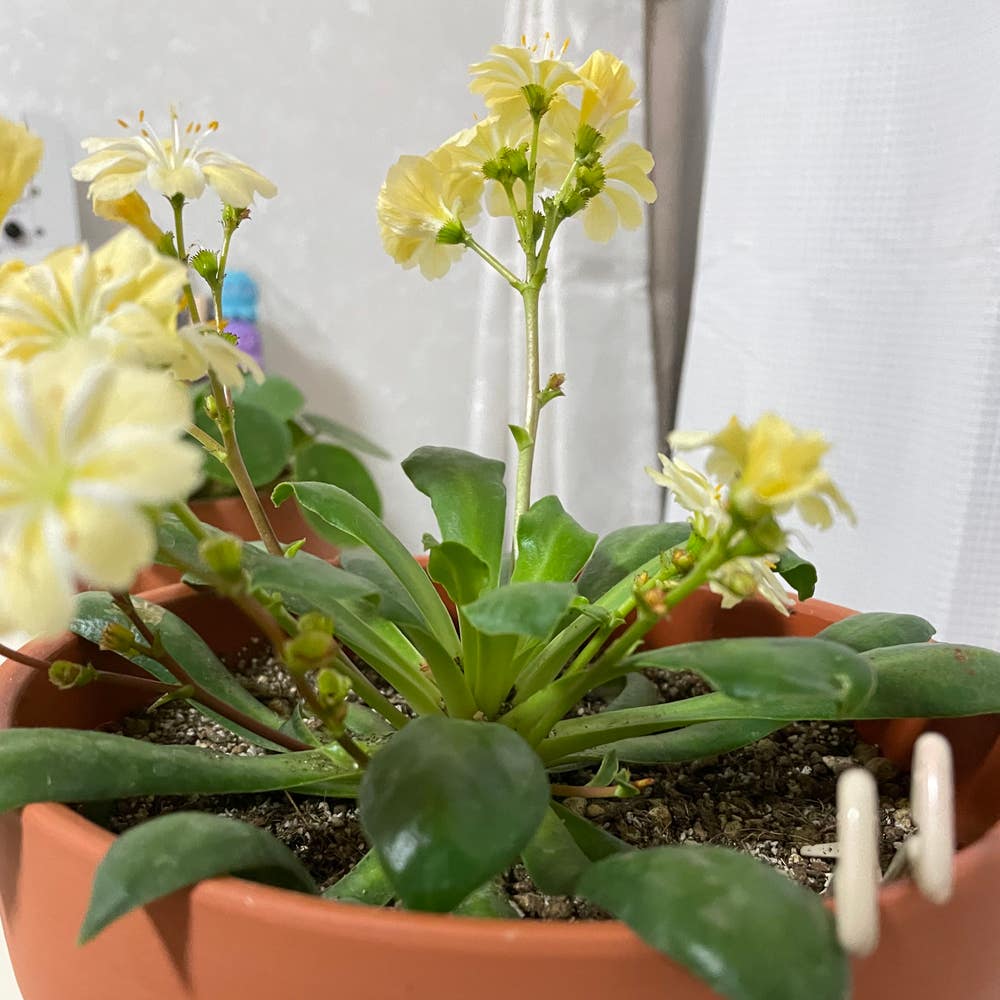
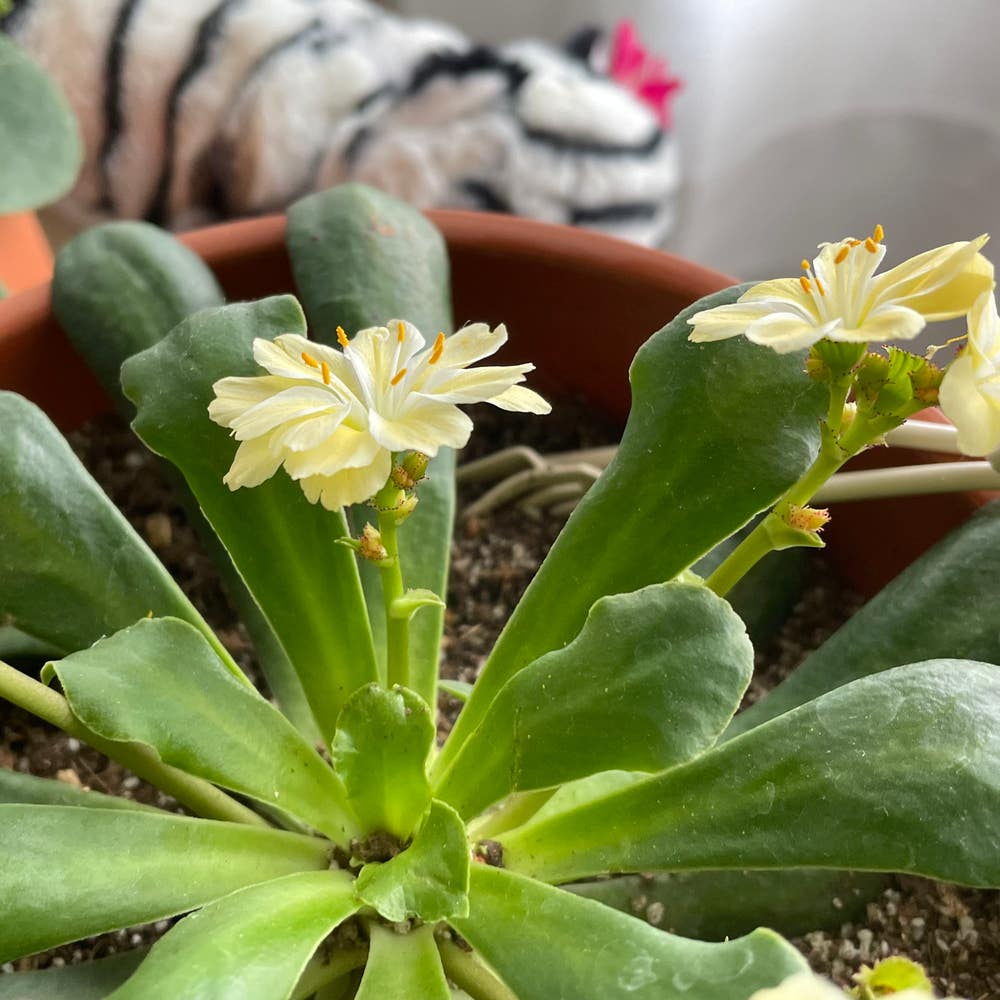
Bitterroot is known for its beautiful flowers, which typically bloom in shades of pink to white. These star-like blossoms are not just visually appealing; they also play a crucial role in the plant's life cycle.
Flowering behavior is closely tied to environmental conditions. Factors like temperature, sunlight, and moisture levels can significantly influence when and how well Bitterroot flowers.
Non-Flowering Characteristics 🚫
There are scenarios where Bitterroot may not produce flowers at all. Extreme drought or poor soil conditions can hinder its ability to bloom, leaving the plant to conserve energy instead.
Understanding these non-flowering characteristics is essential for anyone looking to cultivate Bitterroot successfully. By recognizing the signs of stress, you can take proactive measures to support its growth and flowering potential.
Flower Characteristics
Description of Colors and Structure 🌸
Bitterroot flowers are a stunning display of nature, typically showcasing shades of pink to white. Their star-like structure features clusters on flower spikes, with multiple petals radiating from a central point, creating a captivating visual appeal.
Pollination Methods 🐝
Bitterroot primarily relies on self-pollination, ensuring that it can reproduce even in isolated conditions. However, it can also benefit from cross-pollination, which enhances genetic diversity and boosts seed production.
Pollination occurs when pollen from the anthers of one flower reaches the stigma of another, or even the same flower. This process is crucial for the development of seeds, allowing Bitterroot to thrive in various environments.
Understanding these characteristics not only enriches your appreciation for Bitterroot but also sets the stage for exploring how to encourage its blooming. Let's dive into the blooming process next!
Blooming Process
Stages and Typical Bloom Time 🌸
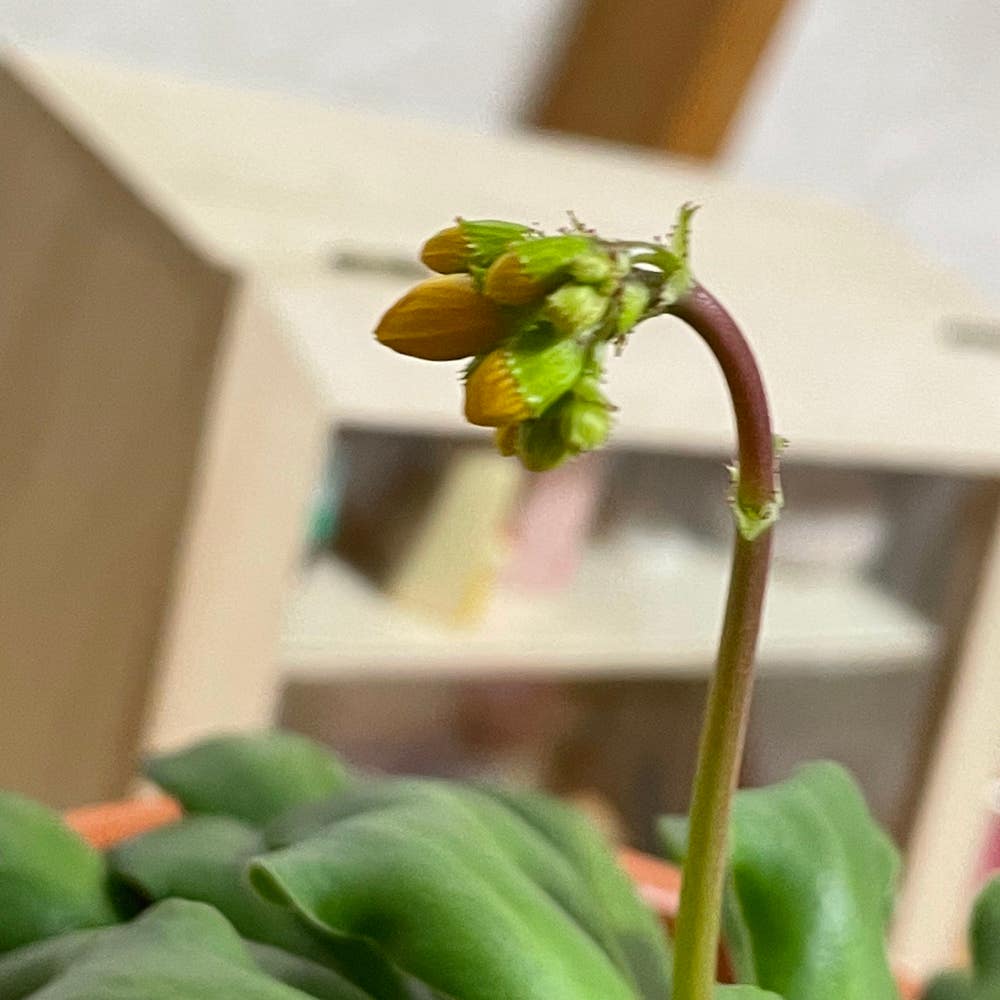
The blooming process of Bitterroot unfolds in three distinct stages: bud formation, opening, and full bloom. Typically, you can expect to see these beautiful flowers emerge from late spring to early summer.
Duration from Bud Formation to Full Bloom ⏳
From the moment the buds form, it takes about 2 to 4 weeks for them to transition into full bloom. This gradual unfolding is a testament to nature's timing.
Lifespan of Flowers 🌼
Once in full bloom, the flowers usually last between 1 to 2 weeks. Their lifespan can vary based on environmental conditions, such as temperature and moisture levels.
Understanding these stages and timelines can help you appreciate the beauty of Bitterroot even more. With the right care, you can enjoy their stunning display during the blooming season.
Encouraging Blooms
🌸 Tips to Encourage Blooming
To promote blooming in Bitterroot, start with well-drained soil. This plant thrives in conditions that allow excess water to escape, so ensure your soil isn’t compacted.
Adequate sunlight is crucial as well. Aim for a spot that receives full sun for most of the day to encourage vibrant blooms.
💧 Watering Practices
Moderate watering is key. While Bitterroot enjoys moisture, avoid waterlogged conditions that can stunt growth and flowering.
Instead, water deeply but infrequently. This approach encourages the roots to grow deeper, making the plant more resilient.
🌱 Factors Influencing Flowering
Soil quality plays a significant role in flowering. Nutrient-rich, well-draining soil is ideal for promoting healthy blooms.
Environmental conditions also matter. Keep an eye on temperature, sunlight, and moisture levels, as these factors can significantly influence the plant's ability to flower.
By creating the right environment, you can help your Bitterroot flourish and enjoy its stunning blooms. Next, let’s explore the unique aspects of this remarkable plant.
Unique Aspects
🌱 Unusual Characteristics
Bitterroot is remarkably drought-tolerant, which significantly influences its flowering behavior. In dry conditions, the plant may conserve energy, leading to fewer blooms, yet it can still thrive.
Another fascinating feature is its ability to form a rosette of leaves. This rosette can persist even when flowering is limited, showcasing the plant's resilience in challenging environments.
🤔 Trivia About Reproductive Strategy
Bitterroot holds cultural significance among Native American tribes, often utilized for food and medicinal purposes. This connection highlights the plant's importance beyond mere aesthetics.
Its reproductive strategy is unique, combining seed production with vegetative reproduction. This dual approach ensures survival and adaptability in various conditions, making Bitterroot a true marvel of nature.
As we explore more about how to encourage blooms, understanding these unique aspects can enhance your appreciation for this resilient plant.
⚠️ Safety First
This content is for general information and may contain errors, omissions, or outdated details. It is not medical, veterinary advice, or an endorsement of therapeutic claims.
Always consult a qualified healthcare professional before using any plant as food, medicine, or supplement.
Never eat any plant (or feed one to pets) without confirming its identity with at least two trusted sources.
If you suspect poisoning, call Poison Control (800) 222-1222, the Pet Poison Helpline (800) 213-6680, or your local emergency service immediately.
Spotted an error? Please report it here.
Unlock breathtaking Bitterroot blooms 🌸 by using Greg's tailored care reminders to create the perfect environment for your plants to thrive!