Ultimate Guide to Pollinating Bitterroot 🐝
Lewisia spp.
By the Greg Editorial Team
Aug 24, 2024•5 min read
This article was created with the help of AI so we can cover more plants for you. May contain errors. See one? Report it here.
- 🌼 Bitterroot self-pollinates, ensuring seed production even in isolated conditions.
- 🐝 Cross-pollination boosts genetic diversity, leading to healthier Bitterroot plants.
- 🌱 Creating a pollinator-friendly garden enhances Bitterroot growth and ecosystem health.
Self-Pollination vs. Cross-Pollination
Self-Pollination 🌱
Bitterroot boasts a remarkable ability to self-pollinate, enabling it to reproduce without relying on external pollinators. This trait is particularly beneficial in isolated environments where pollinators may be scarce.
The advantages of self-pollination are significant. It ensures seed production even when conditions are less than ideal, and it allows for a quick reproductive cycle, making it a resilient choice for survival.
Cross-Pollination 🌼
On the other hand, cross-pollination plays a vital role in enhancing genetic diversity, which leads to healthier plants. This process is crucial for gardeners to understand, as it encourages the planting of multiple Bitterroot specimens.
By attracting various pollinators, cross-pollination supports the overall ecosystem. It not only boosts the vitality of Bitterroot but also contributes to a thriving garden environment.
Flower Structure
Description of Flower Parts 🌸
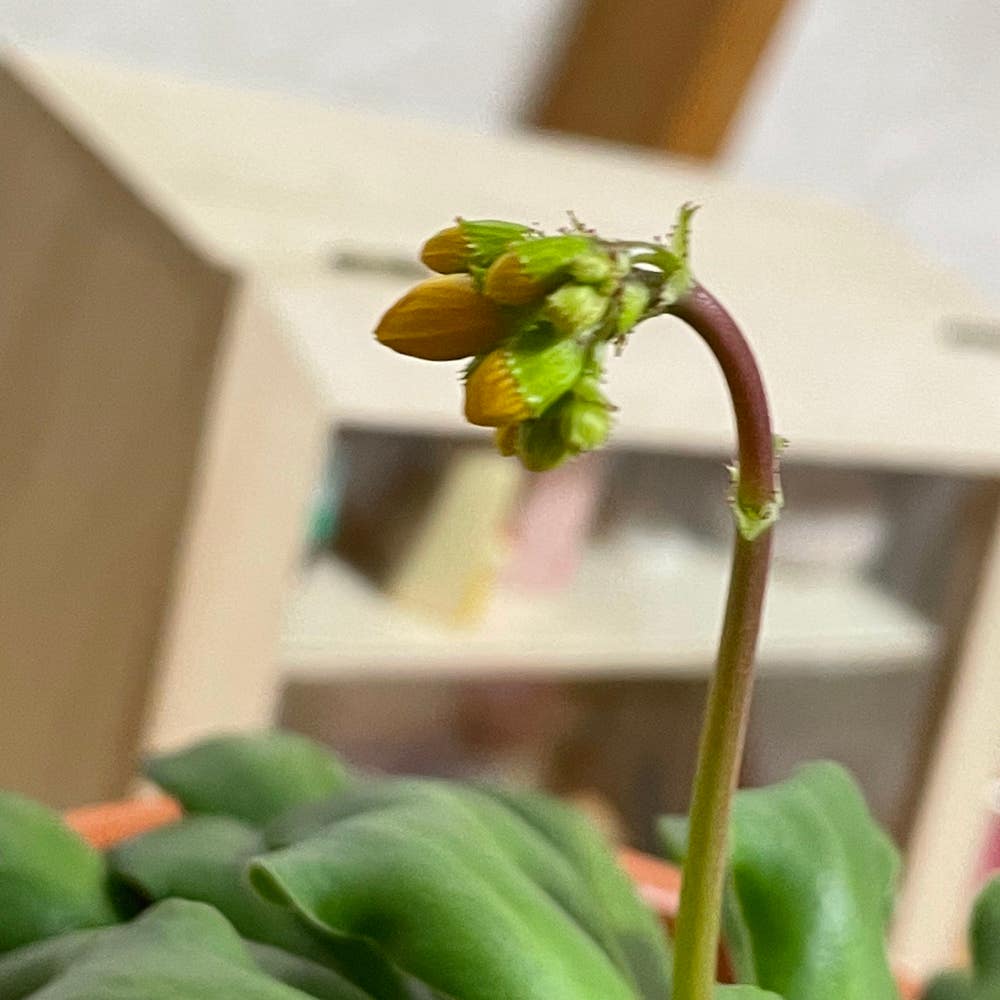
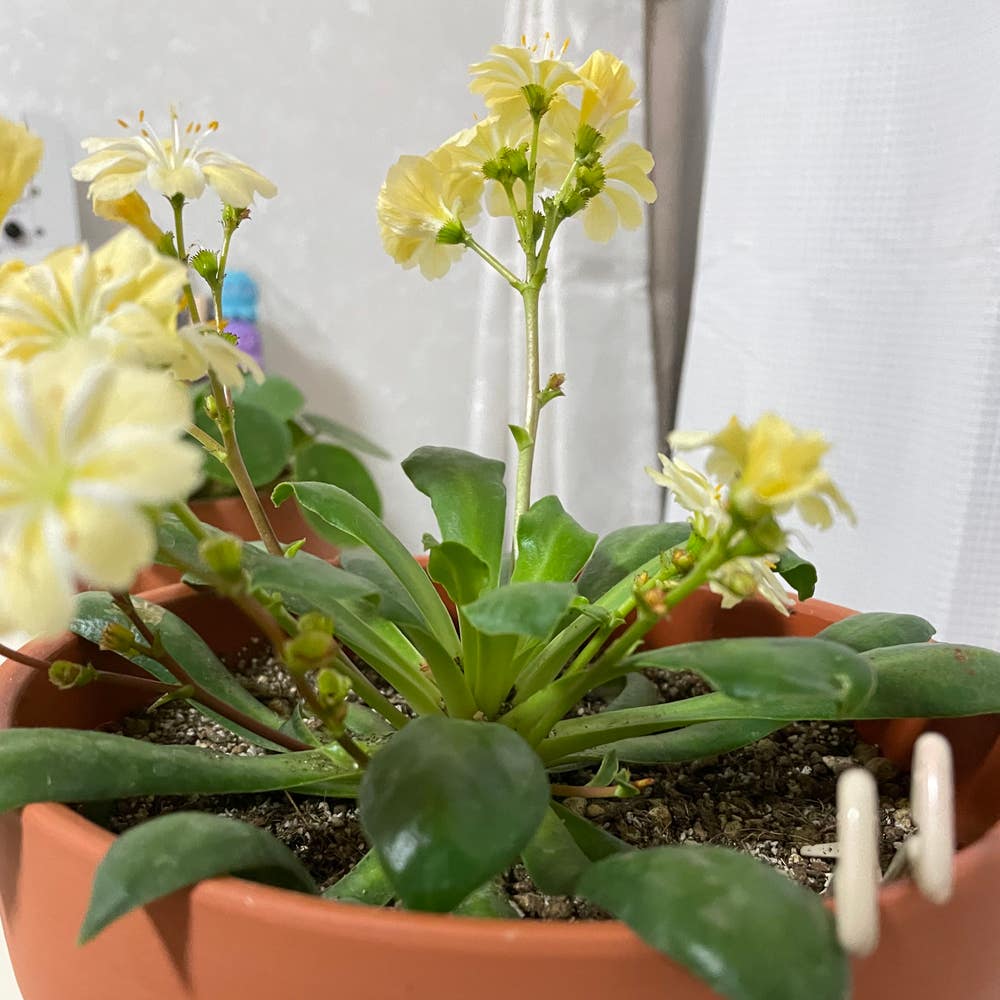
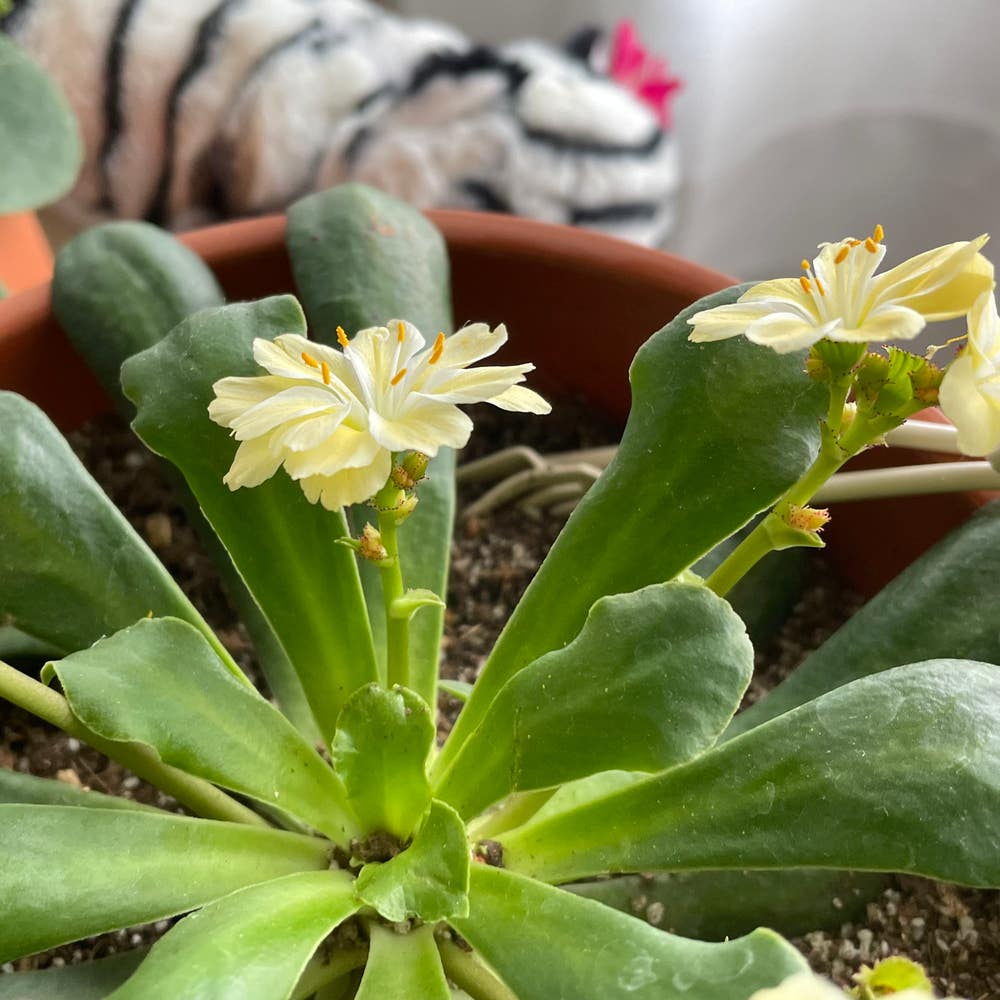
Bitterroot flowers are a stunning sight, showcasing petals that range from pink to white in a star-shaped arrangement. Surrounding these petals are green sepals, which serve as a protective outer layer.
The male reproductive parts, known as stamens, produce the essential pollen. Meanwhile, the pistils, the female reproductive parts, are designed to receive this pollen, playing a crucial role in the plant's reproductive process.
How Flower Structure Facilitates Pollination 🐝
The star-shaped arrangement of Bitterroot flowers is not just for show; it actively attracts various pollinator species, enhancing visibility.
Additionally, the strategic positioning of stamens and pistils allows for effective pollen transfer during visits by these pollinators, ensuring successful fertilization and seed production.
Understanding the flower structure is vital for anyone interested in gardening with Bitterroot. It highlights the importance of creating an inviting environment for pollinators, which leads us to explore the pollination process next.
Pollination Process
🌼 Mechanisms of Self-Pollination
Bitterroot showcases Bitterrootle ability to self-pollinate, where pollen transfer occurs within the same flower. This process is primarily facilitated by gravity and the natural movement of the flower, ensuring that even in isolation, Bitterroot can reproduce effectively.
Self-pollination offers distinct advantages, but additional pollination methods can enhance seed production. Attracting external pollinators can lead to more robust geneticbloom seasonwhich is vital for the plant's long-term health.
🐝 Role of Cross-Pollination and Primarypollinatorss
Understanding the role of cross-pollination is essential for gardeners. Primary pollinators include:
- Bees: These busy insects collect pollen and nectar, transferring pollnative flowerswers as they go.
- Butterflies: They visit for nectar and play a crucial role in aiding cross-pollination.
- Moths and Hummingbirds:pesticidesring twilight and early morning, they contribute signatural pest controlllination process.
Bitterroot attracts these pollinators through its vibrant colors and delightful fragCompanion plantingility of nectar further entices them, creating a thriving ecosystem that benefitwildflowersplants and the pollinators.
Incorporating these insights into your gardening practices can lead to a more fruitful and diverse Bitterroot population, setting the stage for the next section on hand pollination techniques.
Hand Pollination
🌼 Step-by-Step Instructions for Hand Pollination
Hand pollination can be a rewarding way to ensure your Bitterroot plants thrive. Follow these straightforward steps to get started:
- Identify male flower parts (stamens) and female flower parts (pistils). This is crucial for successful pollination.
- Collect Bitterrootng a small brush or cotton swab. GentlyTemperatureanthers to gathhumidityollen.
- Transfer pollen to the stigma of the pistil. Make sure to coat the stigma thoroughly for effective fertilization.
- Repeat for multiple flowers to ensure successful fertilization. This increases your chances of seed production.
🔍 Identifying Male and Female Flower Parts
Understanding the anatomy of your Bitterroot flowers is key.
- Male parts: Look for the filament and anthers, which are responsible for producing pollen.
- Female parts: Locate the stigma water sources the pistil; this is where the pollen nebeneficial insectsrtilization to occur.
Hand pollination not only boosts your gardening skills but also deepens your connection with these beautiful plants. By taking this extra step, you can help ensure a bountiful bloom season.
As you master hand pollination, consider how you can create a supportive environment for pollinators, enhancing your garden's ecosystem.
Supporting Pollinators
🌼 Creating a Pollinator-Friendly Environment
To support Bitterroot and its pollinators, start by planting native flowers that bloom simultaneously. This ensures that pollinators have a consistent food source throughout the growing season.
Avoid using pesticides that can harm beneficial insects. Instead, opt for natural pest control methods to maintain a healthy ecosystem in your garden.
🐝 Companion Plants to Attract Pollinators
Companion planting can significantly enhance your garden's appeal to pollinators. Consider adding wildflowers, which provide additional nectar sources for bees and butterflies.
Herbs like lavender and mint are also excellent choices. Their fragrant blooms not only attract pollinators but also add beauty and utility to your garden.
By creating a welcoming environment for pollinators, you’ll not only boost Bitterroot’s reproduction but also contribute to a thriving ecosystem. Next, let’s explore the challenges that can arise during the pollination process.
Pollination Challenges
🌼 Common Obstacles to Successful Pollination
Pollination can be tricky for Bitterroot due to various environmental factors. Temperature fluctuations, humidity levels, and a lack of pollinator activity can all hinder the process.
Seasonal variations also play a significant role. Weather conditions during bloom time can greatly affect pollination success, making it essential to stay vigilant.
🛠️ Solutions for Overcoming Pollination Challenges
To enhance visibility for pollinators, consider planting Bitterroot in clusters. This strategy makes it easier for pollinators to find and access the flowers.
Additionally, providing water sources and shelter in your garden can attract beneficial insects. Monitoring environmental conditions and adjusting care practices will further support successful pollination.
By taking these steps, you can create a thriving environment for Bitterroot and its pollinators. This proactive approach not only benefits your plants but also contributes to the overall health of the ecosystem.
⚠️ Safety First
This content is for general information and may contain errors, omissions, or outdated details. It is not medical, veterinary advice, or an endorsement of therapeutic claims.
Always consult a qualified healthcare professional before using any plant as food, medicine, or supplement.
Never eat any plant (or feed one to pets) without confirming its identity with at least two trusted sources.
If you suspect poisoning, call Poison Control (800) 222-1222, the Pet Poison Helpline (800) 213-6680, or your local emergency service immediately.
Spotted an error? Please report it here.
Cultivating a thriving Bitterroot garden is easy as pie 🌱 with Greg's tailored tips and reminders, ensuring your plants flourish through effective pollination and a supportive ecosystem!