📏 How Big Your Full Grown Bitterroot Can Get
Lewisia spp.
By the Greg Editorial Team
Aug 24, 2024•5 min read
This article was created with the help of AI so we can cover more plants for you. May contain errors. See one? Report it here.
- 🌱 Bitterroot grows 6-12 inches tall and spreads 12-18 inches in optimal conditions.
- ☀️ Full sun and well-drained soil are essential for healthy growth and flowering.
- 🌼 Growth rate varies; expect 2-3 years to reach full size with proper care.
Mature Height and Spread
Height 🌱
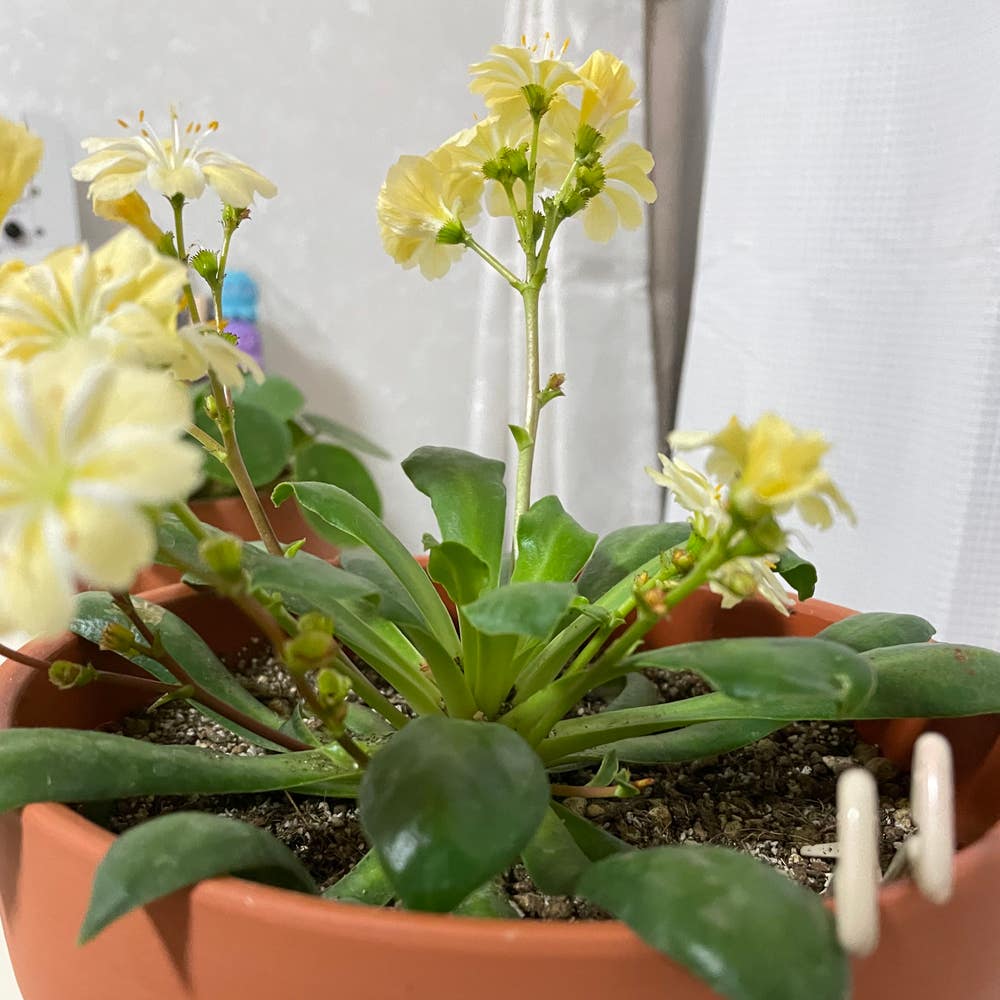
Bitterroot plants typically reach a height of 6 to 12 inches (15 to 30 cm). However, their ultimate height can vary based on local environmental conditions and the quality of the soil.
Factors like moisture availability also play a crucial role in determining how tall these plants can grow. If you provide the right conditions, you might just see them thrive!
Spread 🌼
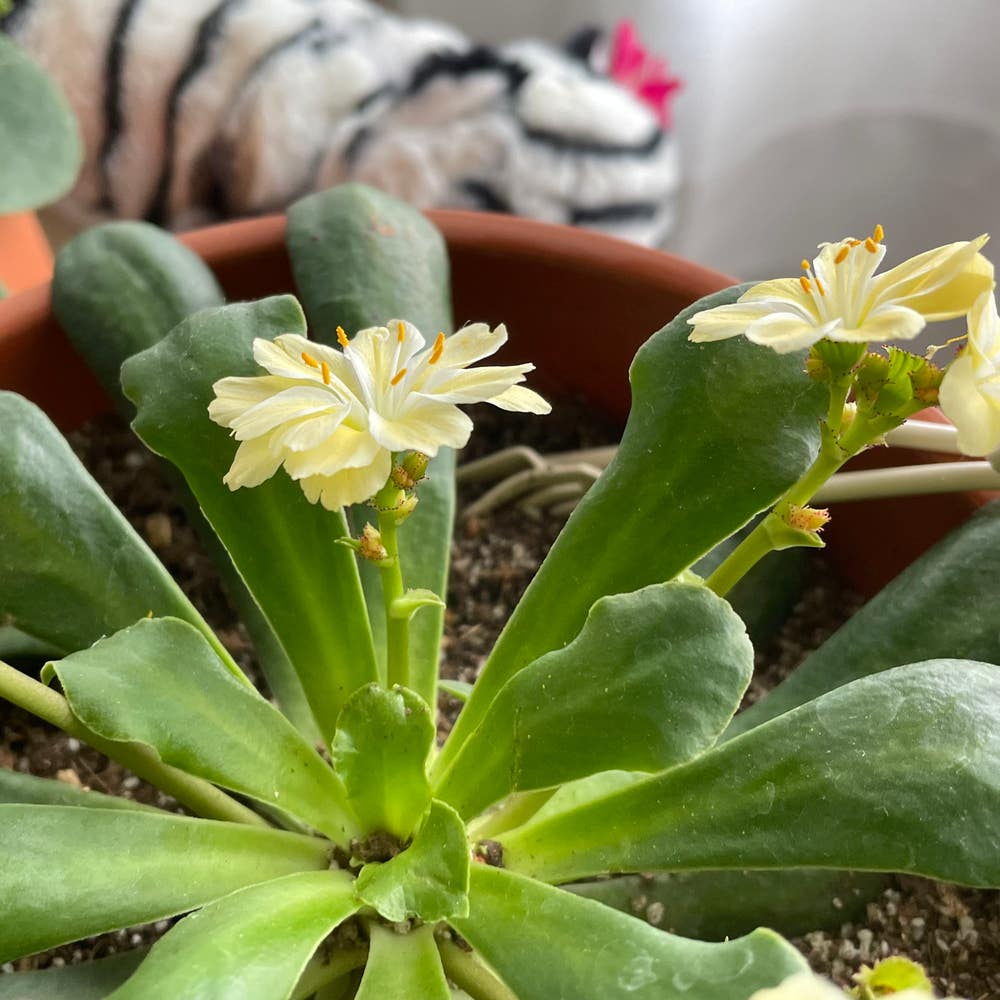
When it comes to spread, bitterroots average between 12 to 18 inches (30 to 45 cm). They grow in clumps, showcasing a lovely rosette of leaves that adds texture to your garden.
Interestingly, the size of the flowers can influence the plant's overall vigor and spread. A robust flowering season often leads to a more vigorous plant, enhancing its spread.
In summary, understanding the mature height and spread of bitterroot can help you plan your garden layout effectively. Next, let’s explore the growth rate of these fascinating plants!
Growth Rate
Rate 🌱
Bitterroot plants generally exhibit a slow to moderate growth rate. This means you won't see rapid changes overnight, but with the right conditions, they can thrive beautifully.
Factors like soil fertility and water availability play crucial roles in determining how quickly your bitterroot will grow. Rich, well-drained soil paired with consistent moisture can significantly boost growth.
Time to Reach Full Size ⏳
Expect your bitterroot to take about 2 to 3 years to reach its mature dimensions. This timeframe can vary based on local climate conditions and the care practices you implement.
For instance, if you live in a region with optimal sunlight and moisture, your plants may reach their full potential sooner. Conversely, less favorable conditions can extend this growth period.
Understanding these growth dynamics can help you cultivate a thriving bitterroot that fits perfectly into your garden. As you nurture your plants, keep an eye on their progress, and you'll be rewarded with their stunning blooms in due time.
Size Variability
🌍 Environmental Factors
The size of your full-grown Bitterroot can vary significantly based on several environmental factors. Understanding these can help you cultivate a healthier plant.
🌱 Soil Quality and Type
Well-drained, rocky soils are ideal for Bitterroot growth. These conditions promote optimal root development and overall plant health.
☀️ Sunlight Exposure
Bitterroot thrives in full sun, requiring 6 to 8 hours of direct sunlight daily. Adequate sunlight not only boosts growth but also enhances flowering.
💧 Watering Practices
Consistent moisture is crucial, but avoid waterlogging. The right balance ensures the plant receives enough hydration without drowning its roots.
🌦️ Climate Considerations
Elevation and moisture levels play a significant role in size variability. Different climates can lead to noticeable differences in plant dimensions, so consider your local conditions when planting.
Understanding these factors can help you create the perfect environment for your Bitterroot. With the right care, you can enjoy a vibrant and flourishing plant that meets your gardening goals.
Varieties
🌱 Dwarf Characteristics
Dwarf bitterroots typically reach a height of under 6 inches (15 cm). These compact plants are perfect for smaller gardens or rockeries, adding a touch of beauty without overwhelming the space.
🌳 Giant Characteristics
On the other hand, giant bitterroots can exceed 12 inches (30 cm) in height. They thrive in optimal conditions, showcasing more robust growth and making a striking statement in any garden.
📏 Size Comparison
When comparing dwarf and giant varieties, the differences are clear. Dwarf varieties offer a neat, low profile, while giants provide a bold presence.
Cultivation practices also play a significant role in determining size. Factors like soil quality, watering, and sunlight exposure can enhance or limit growth potential. Understanding these nuances helps gardeners choose the right variety for their specific needs.
As you explore these varieties, consider how they fit into your gardening vision. Whether you prefer the subtle charm of dwarfs or the commanding stature of giants, there's a bitterroot for every garden.
Next, let’s dive into how to control the size of these fascinating plants through effective pruning techniques.
Controlling Size
✂️ Pruning Techniques
Pruning is essential for maintaining the desired dimensions of your bitterroot. It also promotes healthy growth, ensuring your plant thrives in its environment.
To control height, consider pinching back flowering stems. This technique not only keeps the plant compact but also encourages bushier growth.
⏰ Timing and Methods
The best time to prune your bitterroot is early spring, just before new growth begins. This timing allows the plant to recover quickly and flourish throughout the growing season.
When pruning, always use clean, sharp tools. This practice minimizes damage and helps prevent disease, keeping your plant healthy.
📈 Impact on Growth Rate
Pruning can significantly affect the growth rate of your bitterroot. It may slow down or redirect the plant's energy, allowing it to focus on maintaining size rather than excessive growth.
Ultimately, proper pruning helps maintain compact dimensions. This ensures your bitterroot remains an attractive addition to your garden without overwhelming the space.
As you consider these techniques, remember that thoughtful care can lead to a thriving, well-sized plant. Next, let’s explore how environmental factors influence the size of your bitterroot.
⚠️ Safety First
This content is for general information and may contain errors, omissions, or outdated details. It is not medical, veterinary advice, or an endorsement of therapeutic claims.
Always consult a qualified healthcare professional before using any plant as food, medicine, or supplement.
Never eat any plant (or feed one to pets) without confirming its identity with at least two trusted sources.
If you suspect poisoning, call Poison Control (800) 222-1222, the Pet Poison Helpline (800) 213-6680, or your local emergency service immediately.
Spotted an error? Please report it here.
Unlock the full potential of your bitterroot with Greg's tailored care reminders, ensuring your plants thrive in optimal conditions 🌼 for stunning growth and blooms!