🌼 3 Benefits of Having a Bitterroot
Lewisia spp.
By the Greg Editorial Team
Aug 24, 2024•5 min read
This article was created with the help of AI so we can cover more plants for you. May contain errors. See one? Report it here.
- 🌸 Bitterroot adds vibrant color to gardens with its striking pink to white flowers.
- 🌱 Drought-resistant and low maintenance, it thrives in various landscaping settings.
- 🍽️ Edible roots offer unique flavors and reflect deep cultural significance in Native American diets.
Unique Aesthetic Appeal
Visual Impact 🌸
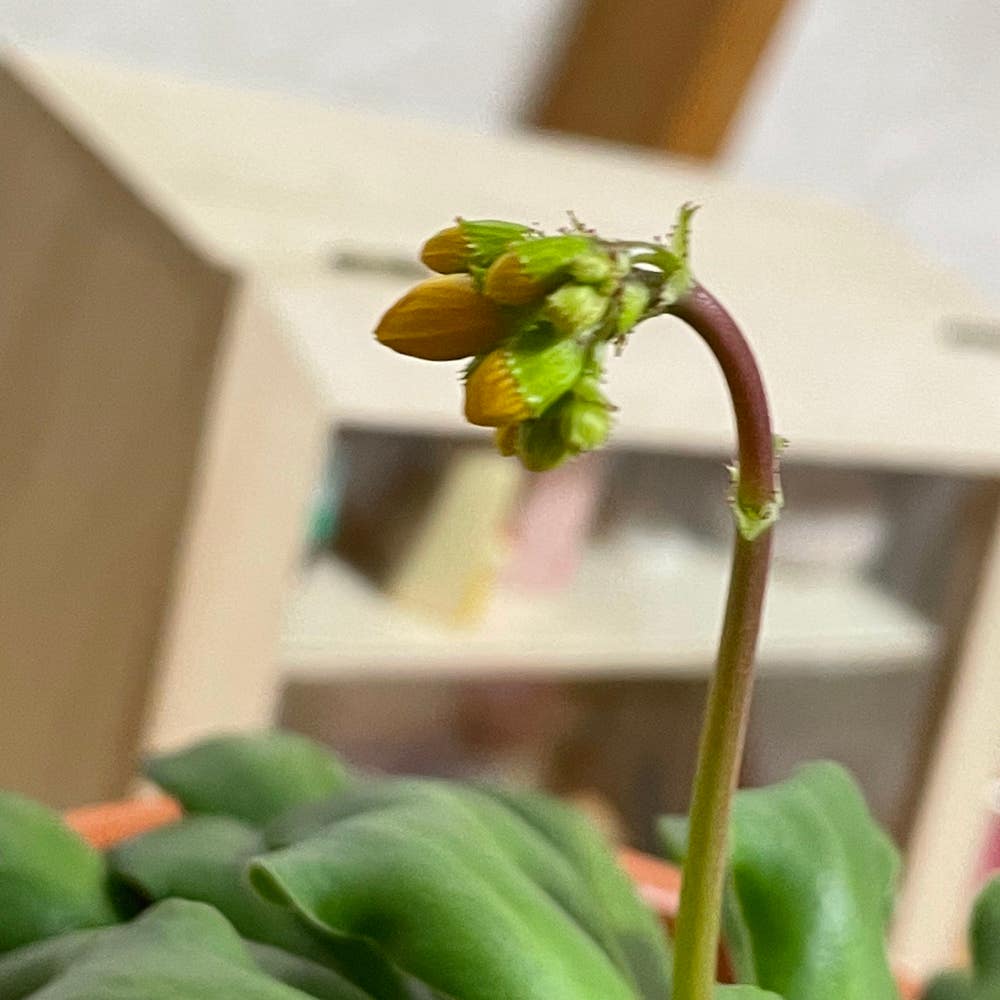
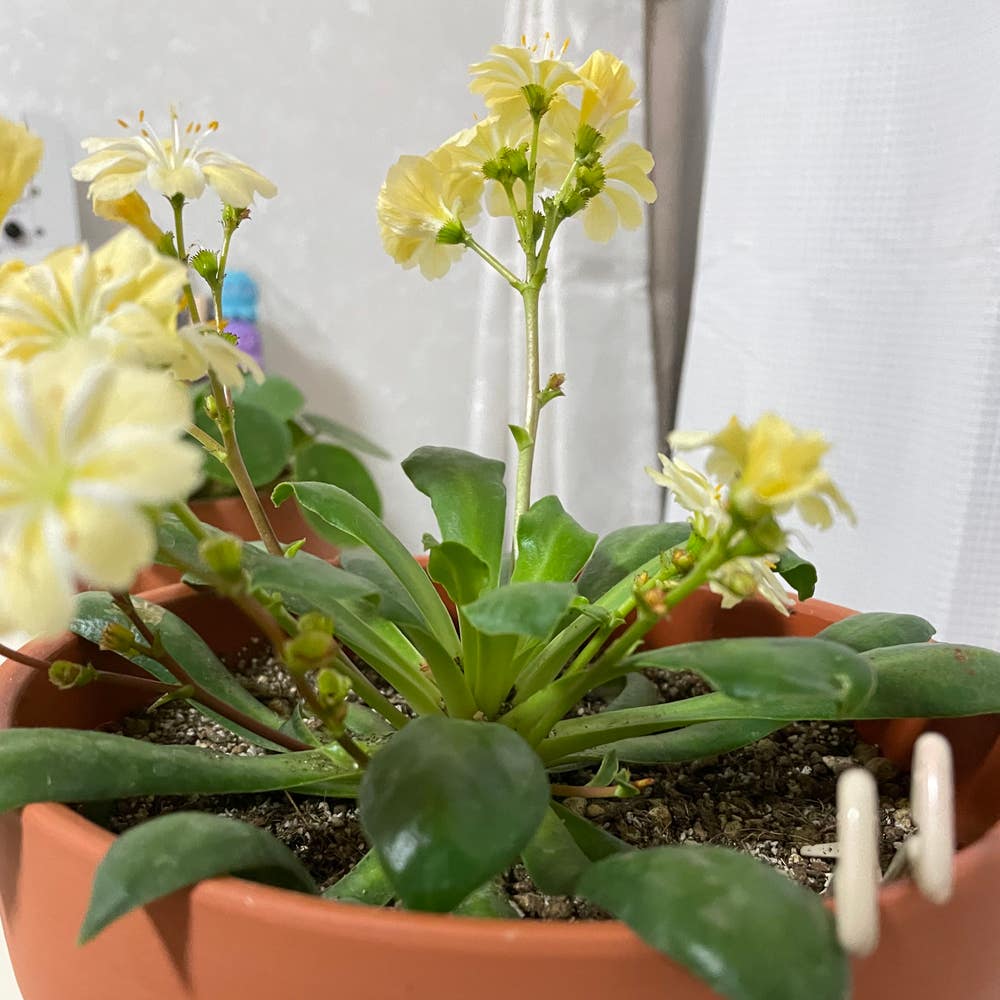
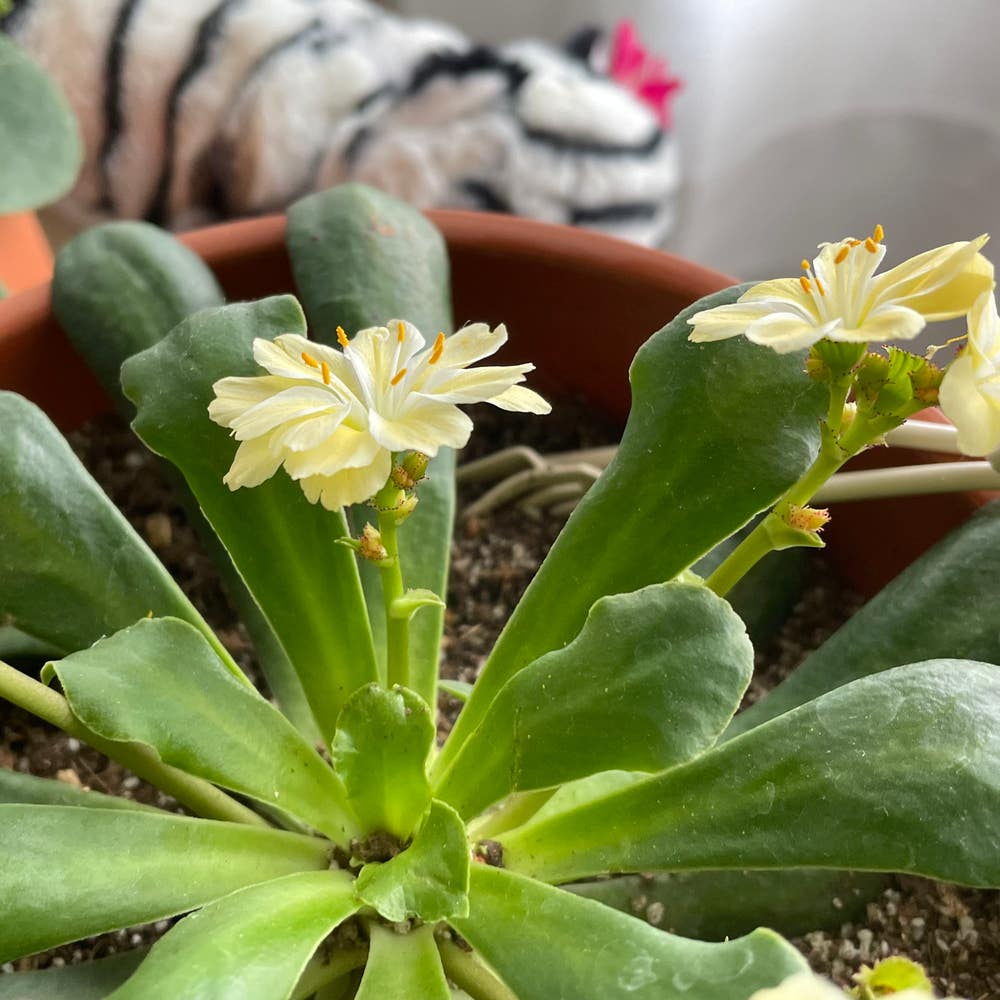
Bitterroot plants are a feast for the eyes, showcasing striking pink to white flowers that create a vibrant display in any garden. These blooms burst forth in spring, offering a refreshing splash of early-season color that can brighten up even the dullest landscapes.
Versatility in Landscaping 🌿
This plant shines in various settings, making it suitable for rock gardens, borders, and wildflower gardens. Its ability to complement other drought-resistant plants creates a cohesive look, ensuring your garden remains both beautiful and functional.
Bitterroot not only enhances visual appeal but also contributes to a sustainable gardening approach. As you plan your outdoor space, consider how this unique plant can elevate your landscape while promoting water conservation.
Next, let’s explore the benefits of drought resistance and low maintenance that make bitterroot a gardener's favorite.
Drought Resistance and Low Maintenance
💧 Water Conservation
Bitterroot thrives in dry conditions, making it a perfect choice for xeriscaping. Once established, it requires minimal watering, allowing you to enjoy a vibrant garden without the hassle of constant irrigation.
🛠️ Low Maintenance Requirements
This resilient plant needs little to no fertilization, making it an easy addition to any garden. Its natural resistance to pests and diseases means you can spend less time worrying about upkeep and more time enjoying your outdoor space.
Incorporating bitterroot into your landscape not only enhances its beauty but also simplifies your gardening routine. Next, let’s explore how this remarkable plant attracts pollinators and supports biodiversity.
Attracting Pollinators and Supporting Biodiversity
🌼 Pollinator-Friendly Plant
Bitterroot flowers are a magnet for bees, butterflies, and other beneficial insects. Their vibrant blooms provide essential food sources, supporting local ecosystems and enhancing garden life.
🌱 Biodiversity Enhancement
Incorporating bitterroot into your garden contributes to a rich and diverse ecosystem. This plant promotes healthy soil and fosters positive interactions among various plant species, creating a thriving environment for all.
By choosing bitterroot, you're not just beautifying your space; you're also playing a vital role in sustaining local wildlife. This commitment to biodiversity enriches your garden and the world around you.
Next, let’s explore the edible roots and culinary uses of this remarkable plant.
Edible Roots and Culinary Uses
🌱 Nutritional Value
Bitterroot roots are not just edible; they're packed with nutrients that can benefit your diet. Historically, Native American tribes relied on them as a vital food source, showcasing their importance in traditional diets.
🍽️ Culinary Applications
These roots can be prepared in various ways, such as boiling or roasting, making them versatile in the kitchen. Their unique flavors can elevate dishes, adding a touch of culinary diversity that’s both exciting and nutritious.
Exploring the culinary potential of bitterroot not only enriches your meals but also connects you to a rich cultural heritage. As you experiment with this ingredient, you’ll discover new tastes and traditions that enhance your cooking experience.
Cultural Significance and Symbolism
🌱 Historical Uses by Native American Tribes
Bitterroot has been a cornerstone of many Native American diets and cultures for centuries. Its roots provided essential sustenance, symbolizing survival and resilience in challenging environments.
🎨 Symbol of Identity and Heritage
Beyond nutrition, bitterroot represents a deep connection to the land and traditional practices. It is celebrated in various cultural expressions, including art and storytelling, reflecting the rich heritage of the tribes that cherish it.
This plant is not just a food source; it embodies the spirit of community and the importance of preserving cultural identities. As we explore its significance, we can appreciate how bitterroot fosters a sense of belonging and continuity in Native American cultures.
Next, let’s delve into the educational opportunities that arise from understanding this remarkable plant.
Educational Opportunities
Learning About Native Plants 🌱
Bitterroot offers a fantastic chance to dive into the world of local flora. Engaging with this plant can spark curiosity about botany and ecology, making learning both fun and impactful.
Cultural Education 📚
Exploring bitterroot also opens doors to understanding Native American traditions and sustainable practices. It encourages meaningful discussions about biodiversity and conservation, enriching our appreciation for the environment.
By embracing these educational opportunities, we not only gain knowledge but also foster a deeper connection to the land and its history. This journey into learning can inspire us to advocate for the preservation of our natural world.
Enhancing Soil Health and Preventing Erosion
🌱 Soil Improvement
Bitterroot plants boast deep root systems that aerate the soil effectively. This natural process improves soil structure, allowing for better water infiltration and root growth.
As the roots decompose, they contribute organic matter, enriching the soil. This nutrient boost supports a thriving ecosystem, making your garden more resilient.
🏞️ Erosion Control
Bitterroot is particularly effective in preventing soil erosion, especially on slopes and rocky areas. Its robust root system stabilizes the soil, reducing runoff and promoting healthier landscapes.
By planting bitterroot, you not only enhance your garden's beauty but also contribute to environmental health. This dual benefit makes it a smart choice for any gardener looking to make a positive impact.
Transitioning to the next topic, let's explore the edible roots and culinary uses of bitterroot, showcasing its versatility beyond aesthetics.
⚠️ Safety First
This content is for general information and may contain errors, omissions, or outdated details. It is not medical, veterinary advice, or an endorsement of therapeutic claims.
Always consult a qualified healthcare professional before using any plant as food, medicine, or supplement.
Never eat any plant (or feed one to pets) without confirming its identity with at least two trusted sources.
If you suspect poisoning, call Poison Control (800) 222-1222, the Pet Poison Helpline (800) 213-6680, or your local emergency service immediately.
Spotted an error? Please report it here.
Transform your garden with the vibrant beauty of bitterroot 🌸, and let Greg guide you with personalized care reminders to ensure these resilient plants thrive effortlessly while supporting local ecosystems!