🔍 Identifying What is Eating Your Bitterroot
Lewisia spp.
By the Greg Editorial Team
Aug 24, 2024•7 min read
This article was created with the help of AI so we can cover more plants for you. May contain errors. See one? Report it here.
- 🦌 Deer and rabbits threaten Bitterroot, causing stunted growth and seedling death.
- 🌱 Signs of herbivore damage include hoof prints and droppings near plants.
- 🛡️ Use fencing and netting to protect Bitterroot from various herbivores effectively.
Appearance and Appeal
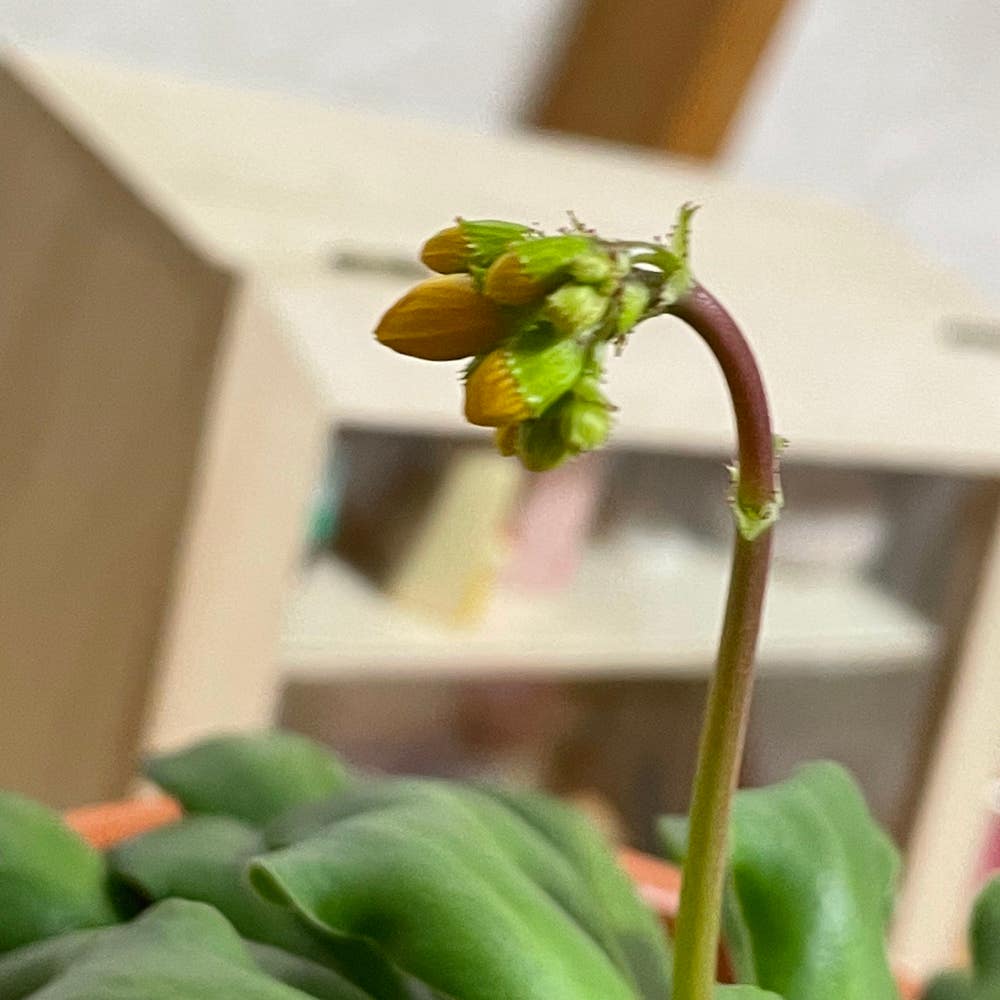
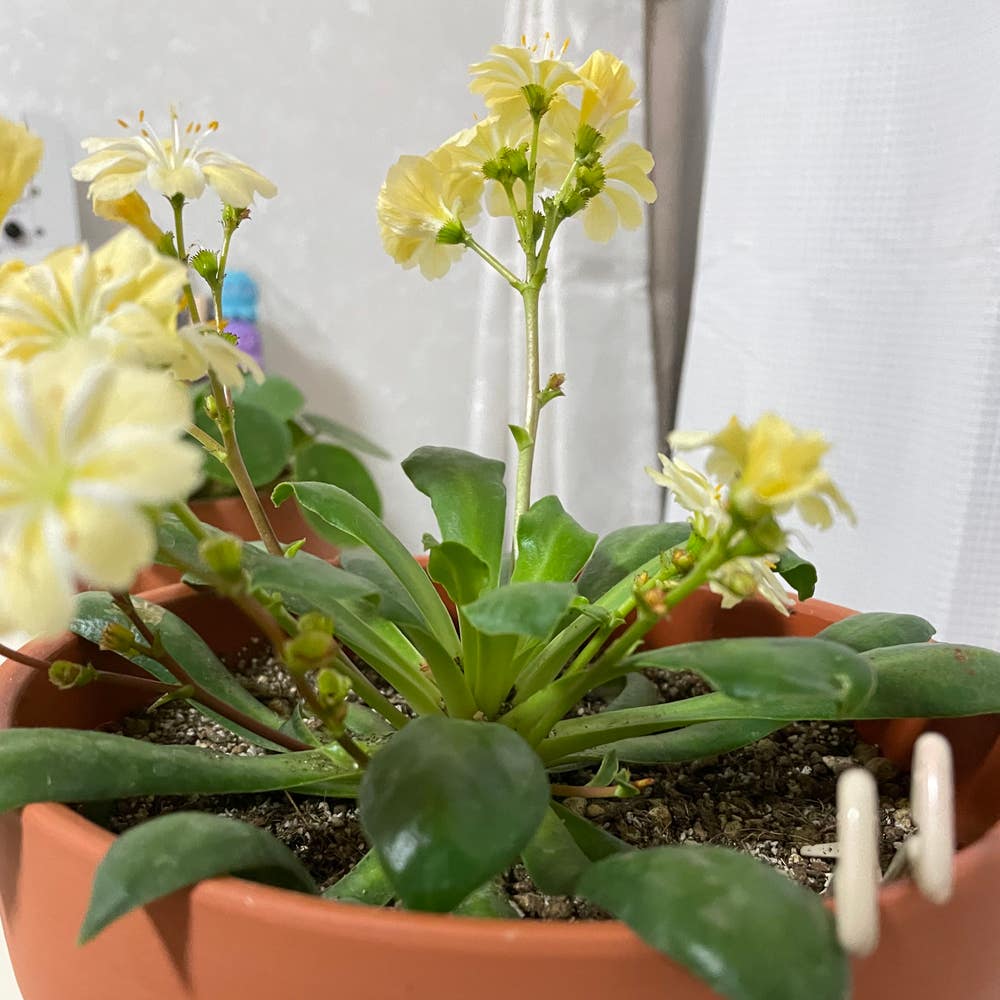
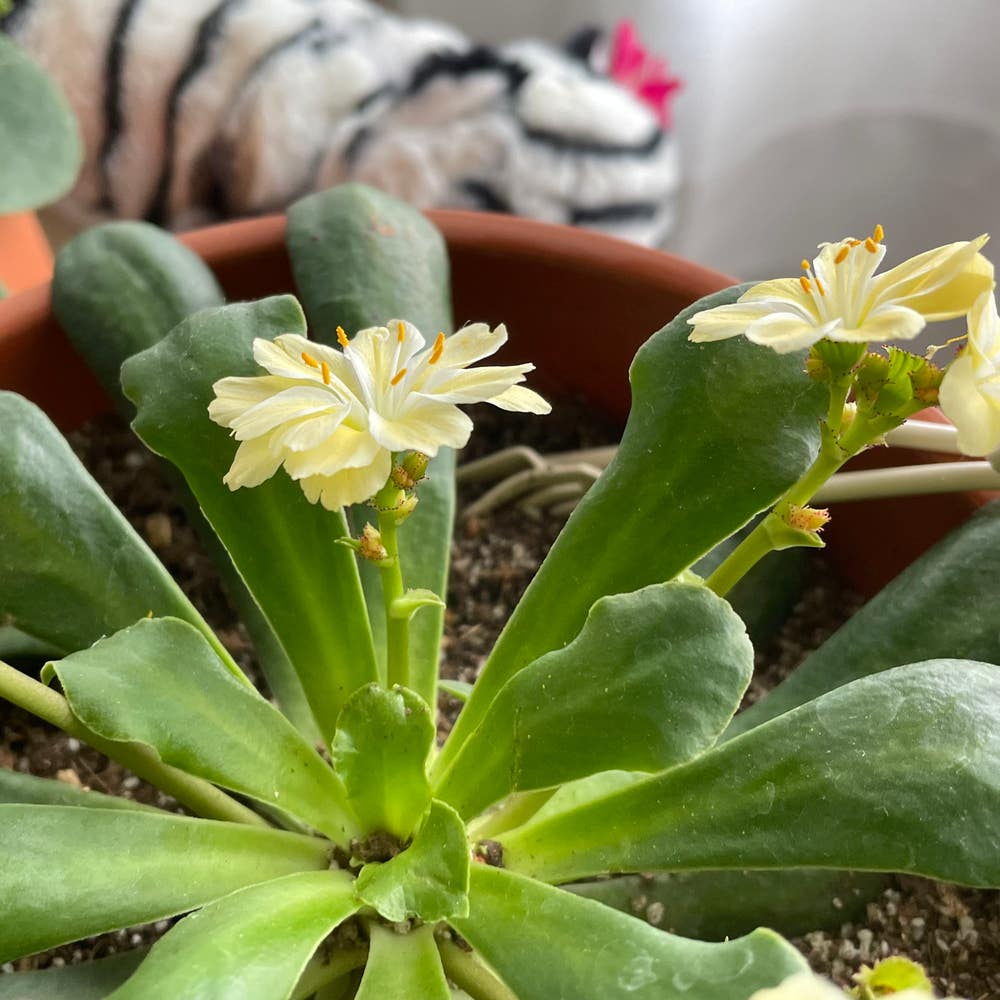
Bitterroot is a stunning plant, showcasing striking pink to white flowers that bloom vibrantly in spring. Its fleshy, succulent roots are designed to store moisture, while a rosette of narrow, fleshy leaves adds to its unique charm.
🐾 Most Appealing Parts to Animals
The fleshy roots are particularly appealing to herbivores, as they are nutrient-rich and easily accessible. Young shoots are tender and palatable, making them a favorite snack, while the flowers attract both pollinators and herbivores alike, creating a bustling ecosystem around the plant.
Understanding these appealing features is crucial for anyone looking to protect Bitterroot from potential threats. With this knowledge, you can take proactive steps to ensure its survival in your garden.
Common Herbivores Affecting Bitterroot
🦌 Deer
Signs of presence
Look for distinctive hoof prints in the soil and dark, pellet-like droppings near your Bitterroot plants. These signs indicate that deer are frequent visitors.
Type of damage caused
Deer often browse on leaves and flowers, leading to stunted growth and reduced flowering. This can severely impact the health of your Bitterroot.
Beneficial vs. harmful interactions
Interactions with deer are generally harmful. Without proper management, they can decimate Bitterroot populations.
Deterrent methods
To keep deer at bay, consider installing 8-foot tall fencing. Alternatively, use commercial deer repellents or homemade solutions like garlic spray.
🐇 Rabbits
Signs of presence
Rabbits leave clean cuts on young shoots and small, round droppings scattered around. These signs can help you identify their presence quickly.
Type of damage caused
They can cause severe damage to young plants, often killing seedlings. This can be particularly devastating for your Bitterroot.
Beneficial vs. harmful interactions
Rabbits are generally harmful, leading to significant plant loss. Their appetite for young shoots can be relentless.
Deterrent methods
Netting is an effective way to cover plants and prevent access. Additionally, reducing dense cover nearby can discourage nesting.
🐿️ Squirrels
Signs of presence
Look for chewed bark on stems and branches, as well as visible nests in nearby trees. These signs indicate that squirrels are nearby.
Type of damage caused
Squirrels often strip bark, which can weaken the plant and lead to disease. This long-term damage can be detrimental to your Bitterroot.
Beneficial vs. harmful interactions
Interactions with squirrels are generally harmful. Their activities can cause lasting issues for the plant's health.
Deterrent methods
Use scare tactics like reflective objects or noise-making devices to deter squirrels. Live traps can also be effective for relocation.
🐦 Birds
Signs of presence
Frequent sightings of feathered visitors and visible peck marks on flowers and leaves indicate bird activity. These signs can help you monitor their impact.
Type of damage caused
Birds may eat seeds and flowers, reducing seed production. This can hinder the growth and reproduction of your Bitterroot.
Beneficial vs. harmful interactions
Bird interactions are mixed; while some birds act as pollinators, others may cause damage. It's essential to find a balance.
Deterrent methods
Netting can protect flowers and seeds from birds. Hanging shiny materials can also deter them effectively.
🐭 Rodents (mice, voles)
Signs of presence
Look for small burrows near the plant base and small, dark pellets in the vicinity. These signs indicate rodent activity.
Type of damage caused
Rodents can cause root damage, potentially leading to plant death if roots are consumed. This can be a serious threat to your Bitterroot.
Beneficial vs. harmful interactions
Interactions with rodents are generally harmful. Their presence can significantly impact plant health.
Deterrent methods
Set snap traps or live traps for removal. Additionally, clear debris and tall grass to reduce hiding spots.
🦡 Groundhogs/Woodchucks
Signs of presence
Look for large burrows near the plant and distinctive gnaw marks on stems. These signs indicate that groundhogs or woodchucks are nearby.
Type of damage caused
They can cause extensive damage, often completely destroying plants. This can lead to total loss of your Bitterroot.
Beneficial vs. harmful interactions
Interactions with groundhogs are generally harmful. Their appetite can lead to devastating consequences for your garden.
Deterrent methods
Consider burying fencing at least 12 inches underground to prevent burrowing. You can also use commercial or homemade repellents to deter them.
Understanding these common herbivores and their impact on Bitterroot is crucial for effective management. By employing the right deterrent methods, you can protect your plants and maintain a thriving garden ecosystem.
Beneficial Animals and Ecological Role
🐝 Pollinators: Nature's Helpers
Bees and butterflies flock to Bitterroot, playing a crucial role in its reproduction. Their visits not only ensure the plant's survival but also enhance the overall health of the garden.
🌱 Seed Dispersers: Spreading the Love
Various animals help spread Bitterroot seeds, allowing new plants to thrive in different areas. This natural process is vital for maintaining genetic diversity and resilience in the ecosystem.
🌍 Enhanced Biodiversity
Attracting beneficial animals promotes a rich tapestry of life in your garden. A diverse ecosystem supports various species, creating a balanced environment that benefits all.
🦅 Natural Pest Control
Predatory birds and insects help keep herbivore populations in check. By maintaining this balance, they reduce the risk of overgrazing, ensuring Bitterroot can flourish.
📜 Conclusion
Encouraging beneficial wildlife not only supports Bitterroot but also enriches your garden. By fostering a healthy ecosystem, you create a thriving environment for both plants and animals.
Next, we’ll explore general strategies for protecting Bitterroot from herbivores while maintaining this delicate balance.
General Strategies for Protecting Bitterroot
🛡️ Preventive Measures for Herbivore Damage
To safeguard your Bitterroot, consider planting in less accessible areas. This simple strategy can significantly reduce the chances of herbivores munching on your prized plants.
Using physical barriers like fencing and netting is another effective approach. A sturdy fence can deter larger animals, while netting protects delicate flowers and young shoots from smaller critters.
🐾 Reactive Solutions for Managing Animal Interactions
Monitoring for signs of damage is crucial. By keeping a close eye on your plants, you can act quickly to mitigate any harm caused by herbivores.
Employing traps and repellents can also be effective. Whether you opt for commercial solutions or homemade concoctions, these tools can help manage unwanted animal interactions.
🌱 Balancing Garden Ecosystem While Protecting Bitterroot
Encouraging beneficial wildlife is essential for a thriving garden. Pollinators like bees and butterflies not only enhance the beauty of your space but also support the health of your Bitterroot.
At the same time, it's important to deter harmful species. Striking this balance ensures that your garden remains a vibrant ecosystem while protecting your plants from potential threats.
By implementing these strategies, you can create a harmonious environment that nurtures your Bitterroot and its surrounding wildlife. Next, let’s explore the seasonal considerations that can impact your plant’s vulnerability.
Seasonal Considerations
Seasonal Variations in Animal Attraction 🐾
As spring arrives, Bitterroot becomes a prime target for herbivores. The young shoots emerge, offering a tender and nutritious feast that many animals can’t resist.
Changes in Feeding Habits 🍂
Throughout the seasons, animal feeding habits shift. While spring sees a spike in herbivore activity, summer and fall bring different dietary preferences, often leading to fluctuating levels of plant damage.
Timing of Plant Vulnerability ⏰
The vulnerability of Bitterroot peaks in spring. During this time, young shoots are particularly attractive, making them susceptible to various herbivores eager for a meal.
Understanding these seasonal dynamics is crucial for protecting your Bitterroot. By anticipating when herbivores are most active, you can implement effective strategies to safeguard your plants.
Next, let’s explore the toxic effects of Bitterroot on animals and how this knowledge can influence interactions with herbivores.
Toxicity and Animal Interactions
Bitterroot has a mild toxicity that can deter some herbivores. This characteristic may serve as a natural defense mechanism, helping to protect the plant from excessive grazing.
🧪 Understanding Toxicity
The mild toxins present in Bitterroot can influence animal behavior. Herbivores that are sensitive to these compounds may avoid the plant, allowing it to thrive in its environment.
🐾 Managing Animal Interactions
Recognizing the toxic effects of Bitterroot can be beneficial for gardeners. By understanding which animals are deterred, you can better manage interactions and promote the health of your plants.
Incorporating this knowledge into your gardening strategy can create a balanced ecosystem. It allows you to protect your Bitterroot while fostering a diverse range of wildlife.
As you consider the implications of toxicity, think about how it fits into your broader garden management plan. This understanding can lead to healthier plants and a more vibrant garden environment.
⚠️ Safety First
This content is for general information and may contain errors, omissions, or outdated details. It is not medical, veterinary advice, or an endorsement of therapeutic claims.
Always consult a qualified healthcare professional before using any plant as food, medicine, or supplement.
Never eat any plant (or feed one to pets) without confirming its identity with at least two trusted sources.
If you suspect poisoning, call Poison Control (800) 222-1222, the Pet Poison Helpline (800) 213-6680, or your local emergency service immediately.
Spotted an error? Please report it here.
Protect your Bitterroot's beauty 🌿 from hungry herbivores with Greg's tailored care tips and reminders, ensuring your garden thrives all year round!