🏔 5 Bitterroot Varieties You Didn't Know About
Lewisia spp.
By the Greg Editorial Team
Aug 24, 2024•4 min read
This article was created with the help of AI so we can cover more plants for you. May contain errors. See one? Report it here.
- 🌸 Discover unique Bitterroot varieties like 'Cascades,' 'Mount Hood,' and 'Gold Nugget.'
- 🌼 Tailor your garden with cultivars that suit your space and aesthetic preferences.
- 🐝 Attract pollinators with vibrant Bitterroot flowers, enhancing your eco-friendly garden.
Popular Cultivars
🌸 Description of Popular Cultivars
Bitterroot varieties offer stunning visual appeal, and three popular cultivars stand out.
'Cascades' captivates with its vibrant pink flowers and compact growth habit, making it a favorite for smaller gardens.
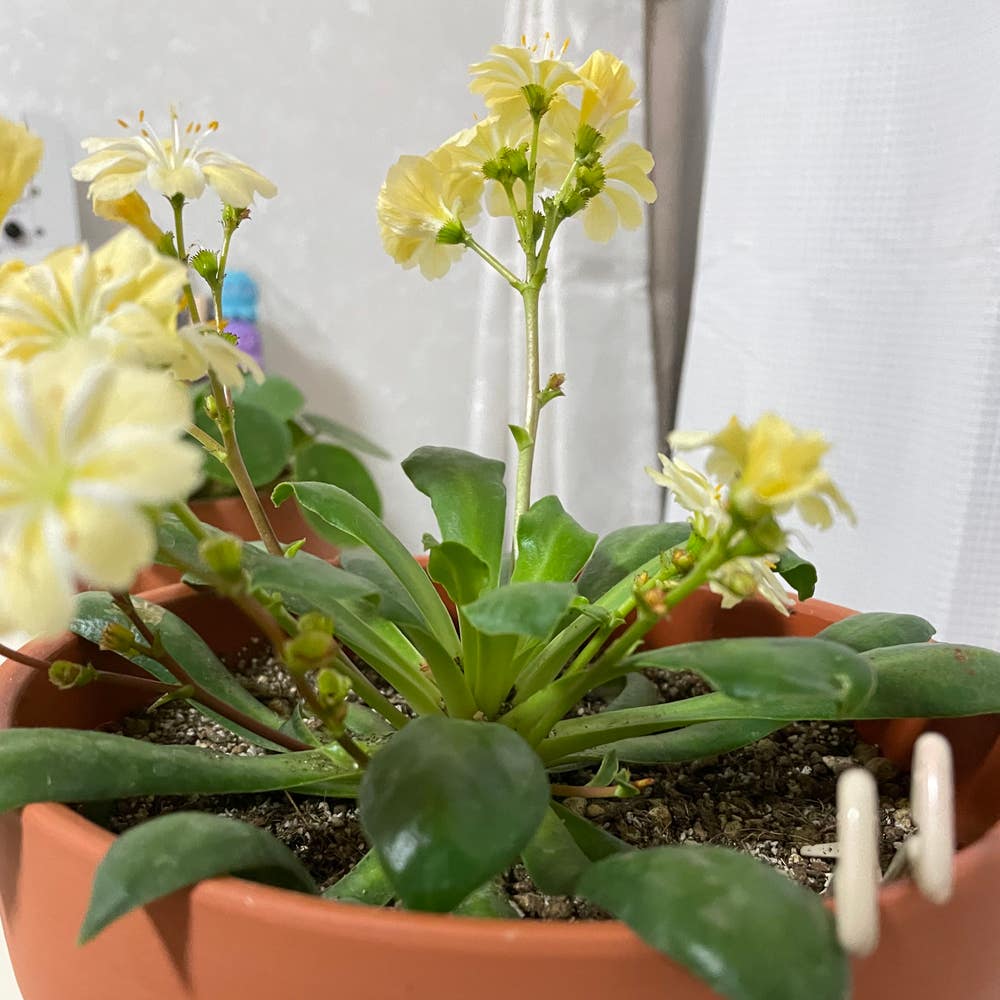
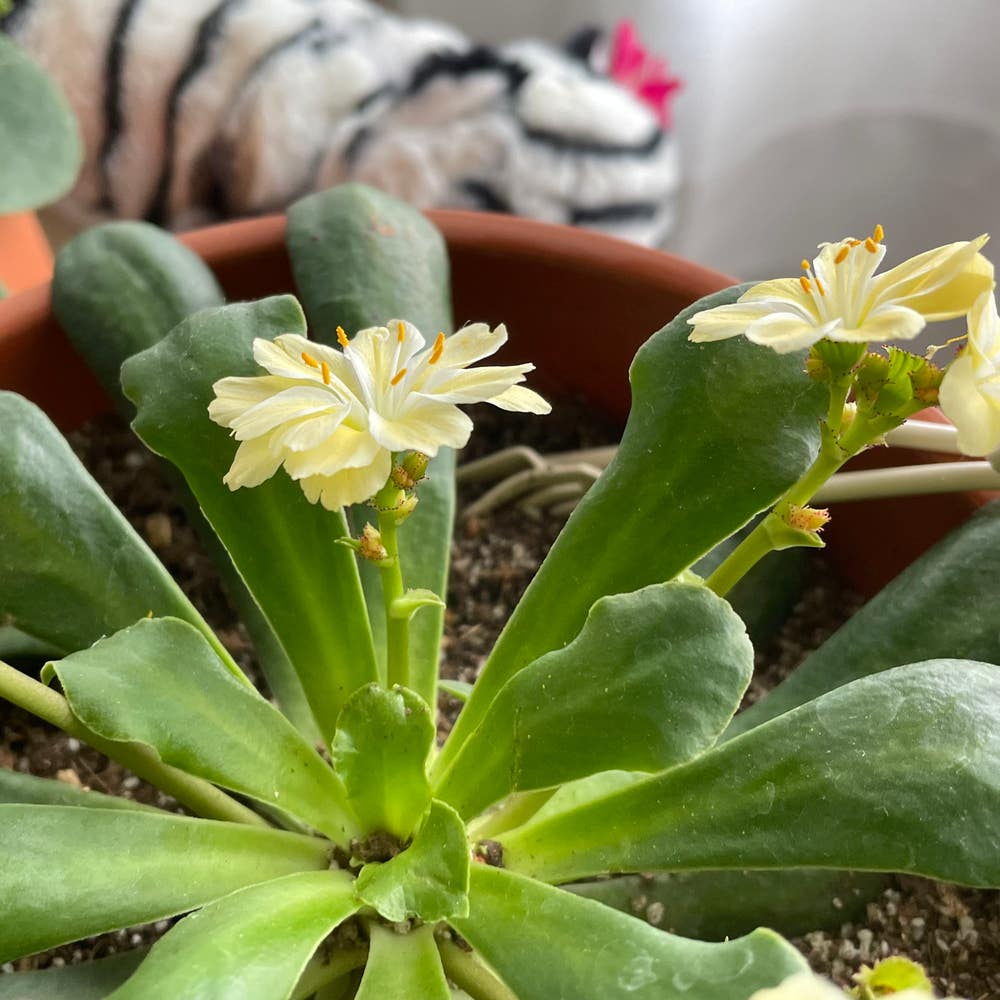
'Mount Hood' showcases elegant white flowers with a hint of yellow at the center, perfect for rock gardens.
'Gold Nugget' is unique with its golden-yellow flowers, attracting a variety of pollinators to your garden.
🌟 Unique Characteristics of Each Cultivar
Each cultivar has its own unique traits that cater to different gardening needs.
'Cascades' grows to a height of 6-12 inches, blooms in late spring, and is drought-tolerant, making it easy to care for.
'Mount Hood' reaches 8-10 inches, blooms early in spring, and prefers partial shade, which can be beneficial in hotter climates.
'Gold Nugget' stands at 4-8 inches, blooms mid-spring, and thrives in full sun, ensuring a bright spot in your garden.
These cultivars not only enhance your garden's aesthetics but also offer varying levels of care and adaptability.
As you explore these options, consider how each cultivar fits into your gardening plans and environment.
Hybrid Varieties
🌈 Notable Hybrid Varieties and Their Features
Hybrid varieties of Bitterroot bring a fresh twist to traditional gardening.
'Levisia x Hybrid' stands out with its diverse color palette and extended blooming period, making it a favorite among gardeners looking for vibrant displays.
'Rainbow Mix' is another gem, showcasing a delightful array of colors, including pink, white, and yellow. This variety adds a cheerful touch to any garden space.
🔍 Differences Between Hybrids and Species
When comparing hybrids to native species, the differences are striking.
Hybrids often exhibit enhanced vigor, meaning they can grow more robustly and adapt better to various conditions.
Additionally, they offer a broader range of colors, appealing to those who want to create a visually stunning garden.
However, it's essential to note that some hybrids may have different care requirements.
For instance, they might need increased water or specific soil types to thrive, so understanding their needs is crucial for successful gardening.
With the right care, these hybrids can be a fantastic addition to your garden, bringing both beauty and resilience.
As you explore these varieties, consider how they can fit into your gardening plans and enhance your outdoor space.
Color and Size Variations
Color Variations Among Different Cultivars 🎨
Bitterroot cultivars offer a stunning range of colors, including vibrant pinks, crisp whites, and sunny yellows. Some varieties even showcase unique patterns or bi-colored flowers, adding a layer of visual interest to any garden.
These colorful blooms not only brighten up your space but also attract pollinators, making them a fantastic choice for eco-friendly gardening. Whether you're looking for a bold statement or subtle elegance, there's a bitterroot cultivar to fit your aesthetic.
Size Differences and Their Implications for Gardening 📏
When it comes to size, bitterroot varieties can vary significantly. Compact cultivars are perfect for container gardening or small spaces, allowing you to enjoy their beauty without overwhelming your garden.
On the other hand, taller varieties may need more room and support, making them ideal for larger garden beds. Understanding these size differences can help you plan your garden layout effectively, ensuring each plant thrives in its designated spot.
With the right color and size selection, you can create a visually stunning and harmonious garden that reflects your personal style. Now, let’s explore the special care requirements for these captivating plants.
Special Care Requirements
Specific Care Needs for Unique Cultivars 🌱
'Cascades': This cultivar thrives in well-drained soil and requires minimal watering once established. Its drought tolerance makes it a great choice for low-maintenance gardens.
'Mount Hood': Preferring partial shade, 'Mount Hood' needs protection from extreme heat to flourish. This makes it ideal for cooler, shaded spots in your garden.
'Gold Nugget': This vibrant variety loves full sun and benefits from regular deadheading to encourage more blooms. Its sunny disposition can brighten any garden space.
Tips for Growing and Maintaining Different Varieties 🌿
To keep your bitterroots healthy, use a well-draining soil mix to prevent root rot. This is crucial for all varieties, especially the hybrids.
Keep an eye out for pests and diseases, as hybrid varieties can be more susceptible. Regular monitoring will help you catch any issues early.
Consider utilizing the Greg plant care app for reminders on watering and fertilization schedules. This handy tool can simplify your gardening routine and ensure your plants thrive.
With the right care, these unique cultivars can bring beauty and vibrancy to your garden. Next, we’ll explore the exciting color and size variations among different bitterroot cultivars.
⚠️ Safety First
This content is for general information and may contain errors, omissions, or outdated details. It is not medical, veterinary advice, or an endorsement of therapeutic claims.
Always consult a qualified healthcare professional before using any plant as food, medicine, or supplement.
Never eat any plant (or feed one to pets) without confirming its identity with at least two trusted sources.
If you suspect poisoning, call Poison Control (800) 222-1222, the Pet Poison Helpline (800) 213-6680, or your local emergency service immediately.
Spotted an error? Please report it here.
Explore the stunning bitterroot varieties 🌸 that can elevate your garden, and let Greg guide you with tailored care tips and watering reminders to ensure each cultivar flourishes!