🌸 Why Bitterroot Is Not an Annual
Lewisia spp.
By the Greg Editorial Team
Aug 24, 2024•5 min read
This article was created with the help of AI so we can cover more plants for you. May contain errors. See one? Report it here.
- 🌱 Bitterroot is a perennial, thriving for years unlike short-lived annuals.
- 💧 Deep taproots access moisture, allowing survival during droughts and harsh conditions.
- 🌸 Stunning blooms in spring lead to multi-year seed production, enhancing garden beauty.
Bitterroot's Perennial Nature
🌱 Genetic Characteristics
Bitterroot, scientifically known as Lewisia rediviva, belongs to the Montiaceae family. This classification highlights its unique genetic traits that enable it to thrive in challenging environments.
🧬 Genetic Adaptations
The plant's genetic makeup includes adaptations that enhance its survival. These traits allow Bitterroot to endure harsh conditions, making it a resilient perennial.
🌿 Physiological Traits Supporting Perennial Growth
Deep Taproot
One of Bitterroot's standout features is its deep taproot. This root system allows the plant to access moisture and nutrients buried in rocky soils, ensuring its survival during dry spells.
Dormancy
Bitterroot also has an impressive ability to enter a dormant state. This dormancy helps it survive extended dry periods, a crucial trait for thriving in its native habitats.
⏳ Long-term Lifecycle and Growth Patterns
Lifespan
Bitterroot can live for several years, showcasing continuous growth and flowering. This longevity sets it apart from annual plants, which complete their life cycle in a single season.
Seasonal Growth
In spring, Bitterroot emerges from dormancy, displaying its beautiful flowers. After blooming, it enters dormancy again, ready to conserve resources for the next growing season.
Understanding these characteristics helps clarify why Bitterroot is not just another annual plant. Its unique genetic and physiological traits contribute to its perennial nature, making it a fascinating addition to any garden.
As we explore further, let’s dive into the reproductive strategies that differentiate Bitterroot from annuals.
Reproductive Strategies and Differences from Annuals
🌸 Flowering Cycles and Seed Production
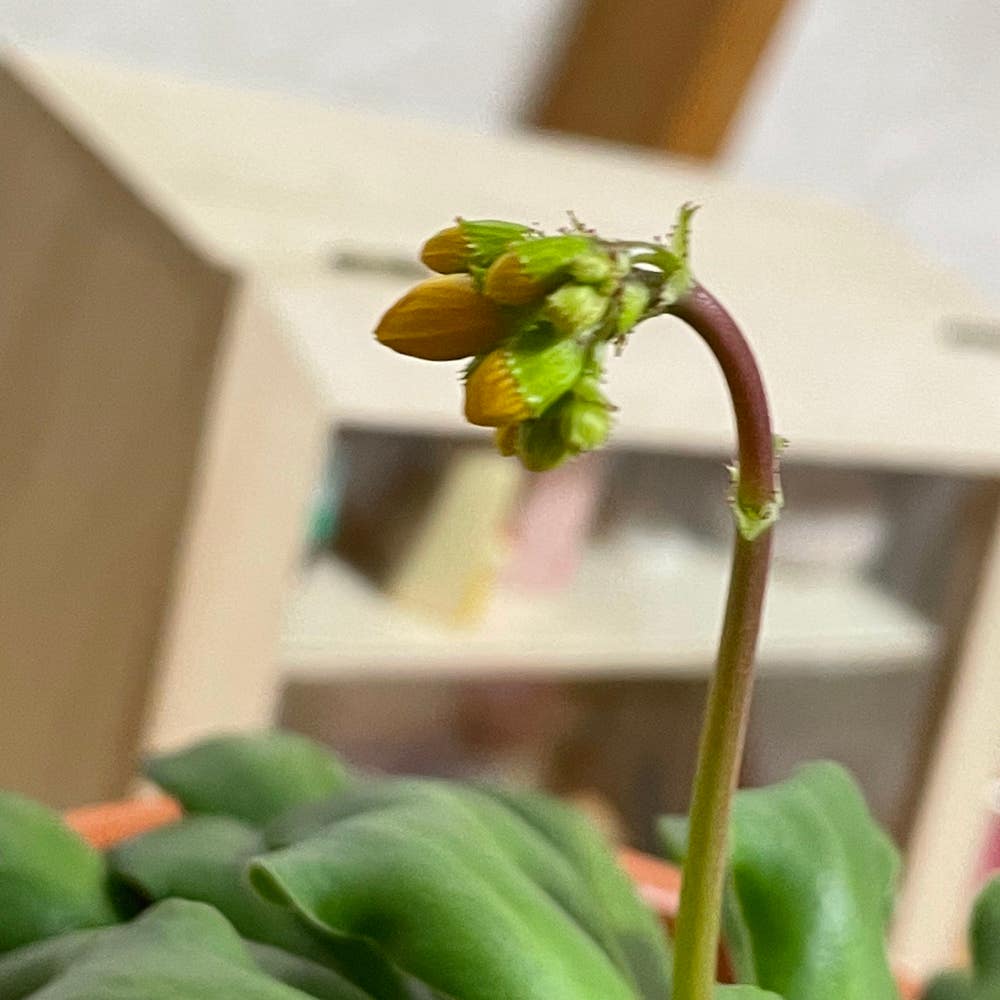
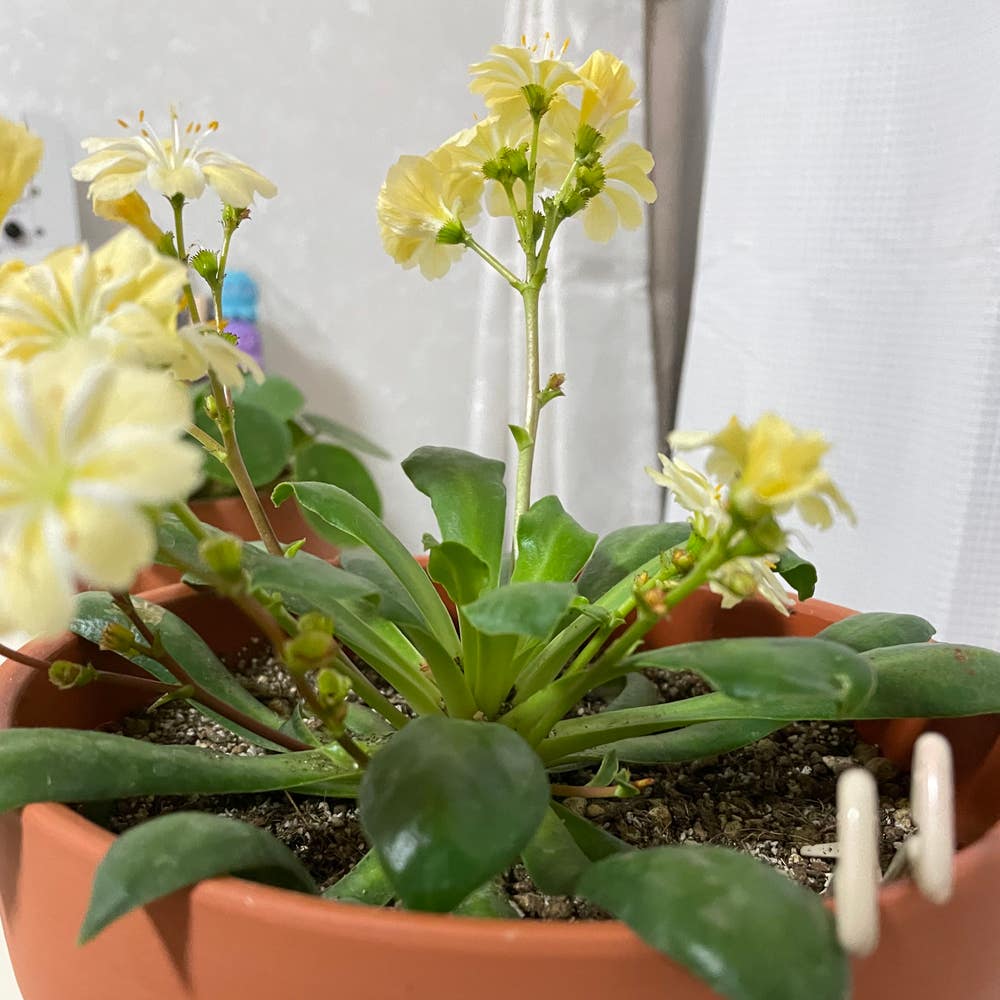
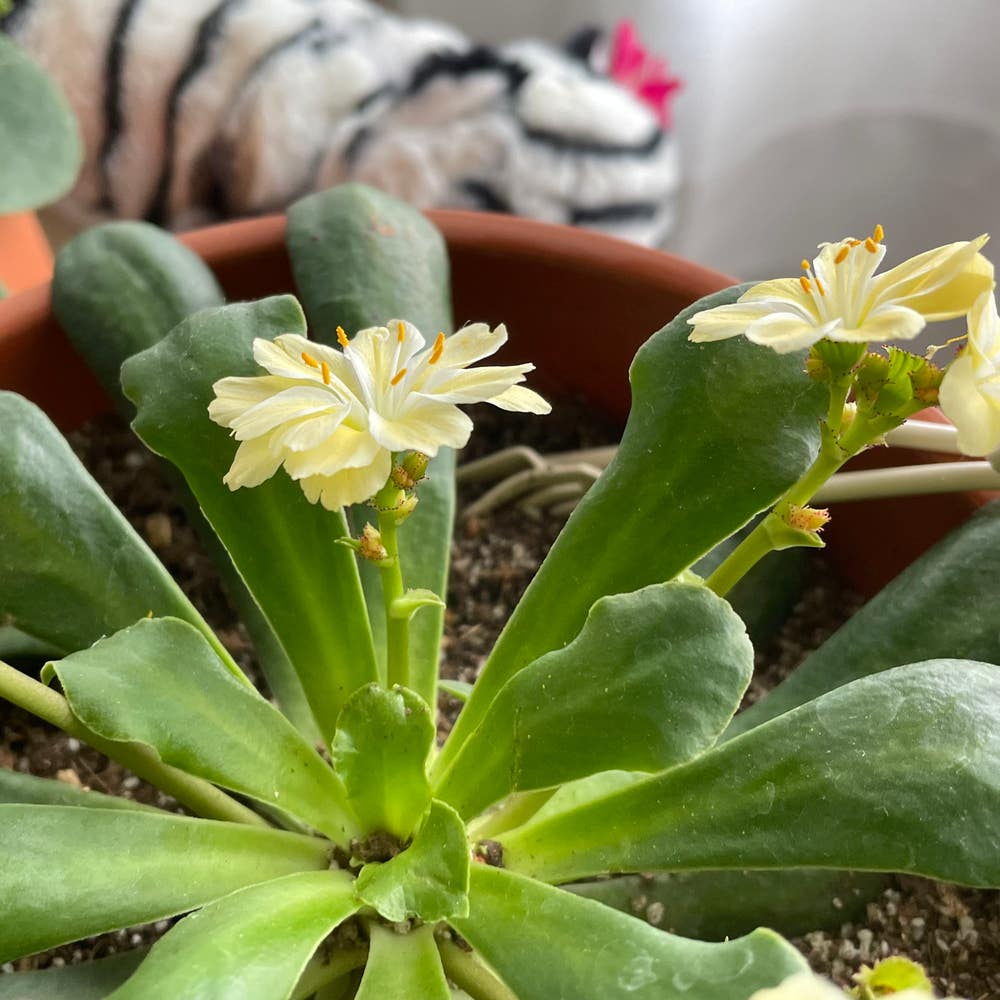
Bitterroot typically bursts into bloom in spring, showcasing stunning pink to white flowers. This flowering period is not just a one-off; it sets the stage for seed production that occurs over multiple years, distinguishing it from annuals that produce seeds in a single season.
🌱 Unique Reproductive Strategies
One of the fascinating aspects of Bitterroot is its ability to spread through clonal propagation. This means it can reproduce vegetatively, creating new plants from its existing structure.
Additionally, Bitterroot employs effective seed dispersal mechanisms. These strategies ensure that seeds can travel and establish themselves in suitable habitats, enhancing their chances of survival and growth.
Understanding these reproductive strategies highlights why Bitterroot thrives as a perennial, offering a stark contrast to the fleeting life cycle of annuals.
Next, we’ll explore the regional variations and misconceptions surrounding this remarkable plant.
Regional Variations and Misconceptions
Conditions Leading to Misclassification as an Annual 🌱
Bitterroot often gets mistaken for an annual due to environmental stressors. In extremely dry or nutrient-poor soils, its growth can seem fleeting, leading observers to believe it only lives for a single season.
Misinterpretation plays a significant role in this confusion. Many people are unaware of Bitterroot's dormant phase, which allows it to survive harsh conditions, further fueling the misconception that it’s an annual plant.
Regional Differences in Growth and Care 🌍
Bitterroot thrives in various habitats across the western United States, but these environments can differ significantly. Soil types and climate conditions vary, influencing how the plant grows and behaves.
Adaptation strategies are crucial for Bitterroot's survival. It adjusts to local conditions, showcasing its resilience and ability to flourish even in less-than-ideal environments. Understanding these regional differences can enhance your appreciation for this remarkable perennial.
As we explore garden design and planting strategies next, consider how these insights can inform your approach to incorporating Bitterroot into your landscape.
Garden Design and Planting Strategies
🌸 Advantages of Using Bitterroot in Perennial Design
Bitterroot, with its stunning pink to white flowers, adds a vibrant touch to any garden. Its aesthetic appeal is undeniable, making it a favorite among gardeners looking to enhance their outdoor spaces.
In addition to beauty, Bitterroot is low maintenance. Unlike annuals that require constant attention, this perennial thrives with minimal care, allowing you to enjoy your garden without the stress of frequent upkeep.
🗺️ Planning for Bitterroot in a Garden Layout
When incorporating Bitterroot into your garden, consider companion planting. Pairing it with drought-tolerant plants like sage or yarrow can create a harmonious environment that promotes healthy growth.
Spacing is also crucial for optimal development. Aim for a distance of about 12 to 18 inches between plants to ensure they have enough room to flourish without competing for resources.
By thoughtfully planning your garden layout, you can create a thriving ecosystem that showcases the beauty of Bitterroot while ensuring its long-term success.
As you design your garden, keep in mind the unique characteristics of Bitterroot, and you'll be well on your way to cultivating a stunning perennial landscape.
Maximizing Longevity and Care
Tips for Managing Bitterroot as a Perennial 🌱
Bitterroot thrives best in well-drained soil, which is crucial for its health. Ensure that your watering practices align with its needs; too much moisture can lead to root rot.
Fertilization is another area where less is more. Bitterroot is adapted to rocky soils, so it requires minimal fertilization to flourish.
Best Practices for Ensuring Longevity 🌼
Monitoring growth patterns throughout the seasons is essential for maintaining a healthy Bitterroot. Adjust your care routine based on its active and dormant phases to support its lifecycle.
Pest and disease management is also vital. Regularly inspect your plants for common threats and employ strategies to protect them, ensuring they remain vibrant and resilient.
With these tips, you can enjoy the beauty of Bitterroot in your garden for years to come. Next, let’s explore how to incorporate this stunning perennial into your garden design effectively.
⚠️ Safety First
This content is for general information and may contain errors, omissions, or outdated details. It is not medical, veterinary advice, or an endorsement of therapeutic claims.
Always consult a qualified healthcare professional before using any plant as food, medicine, or supplement.
Never eat any plant (or feed one to pets) without confirming its identity with at least two trusted sources.
If you suspect poisoning, call Poison Control (800) 222-1222, the Pet Poison Helpline (800) 213-6680, or your local emergency service immediately.
Spotted an error? Please report it here.
Unlock the secret to thriving Bitterroot 🌱 with Greg's tailored care reminders, ensuring your perennial flourishes beautifully year after year!