🌸 Bitterroot Is a Perennial
Lewisia spp.
By the Greg Editorial Team
Aug 24, 2024•4 min read
This article was created with the help of AI so we can cover more plants for you. May contain errors. See one? Report it here.
- 🌱 Bitterroot thrives as a perennial, regrowing annually from established roots.
- 🌼 Spring blooms follow dormancy, influenced by local climate and soil conditions.
- 🌍 Minimal care needed once established, promoting sustainability in gardens.
Characteristics of Bitterroot as a Perennial
Multi-Year Lifecycle 🌱
Bitterroot is a remarkable perennial, thriving through a multi-year lifecycle. Each year, it regrows from its established roots, demonstrating resilience and the ability to survive multiple seasons.
Growth Patterns and Root Regrowth 🌿
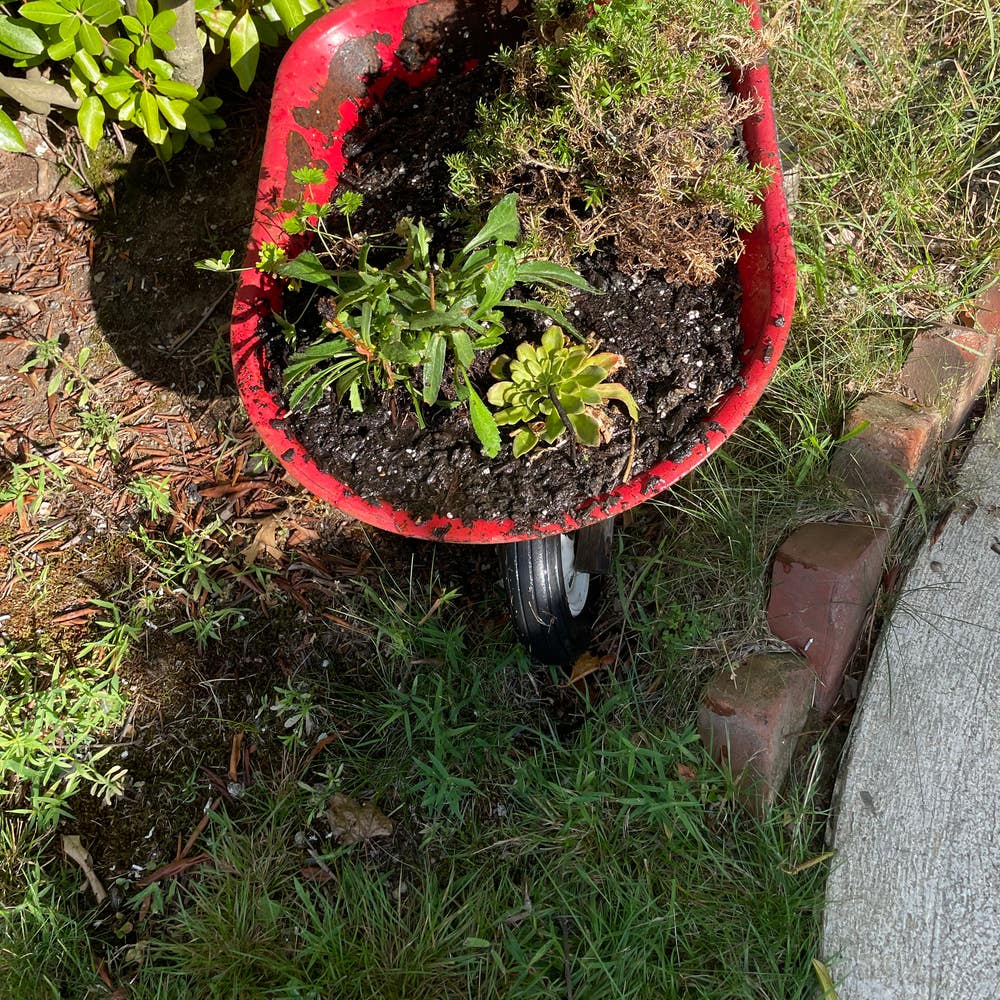
Bitterroot features a unique root system with deep, well-established roots that store energy. This allows the plant to regrow annually from the same root system, ensuring consistent growth.
Growth Habits
In early spring, Bitterroot begins its initial growth, quickly followed by vibrant flowering. As winter approaches, the plant enters a dormancy phase, conserving energy for the next growth cycle.
This cyclical nature not only showcases the plant's adaptability but also highlights its importance in garden settings. Understanding these characteristics can help gardeners appreciate the longevity and sustainability of Bitterroot in their landscapes.
As we explore seasonal changes and dormancy next, we'll see how these factors further influence Bitterroot's growth and flowering patterns.
Seasonal Changes and Dormancy
🌨️ Dormancy Periods
Dormancy is a crucial phase for Bitterroot, occurring during the winter months. During this time, the plant conserves energy through nutrient storage and reduced metabolic activity, allowing it to survive harsh conditions.
🌸 Spring Awakening
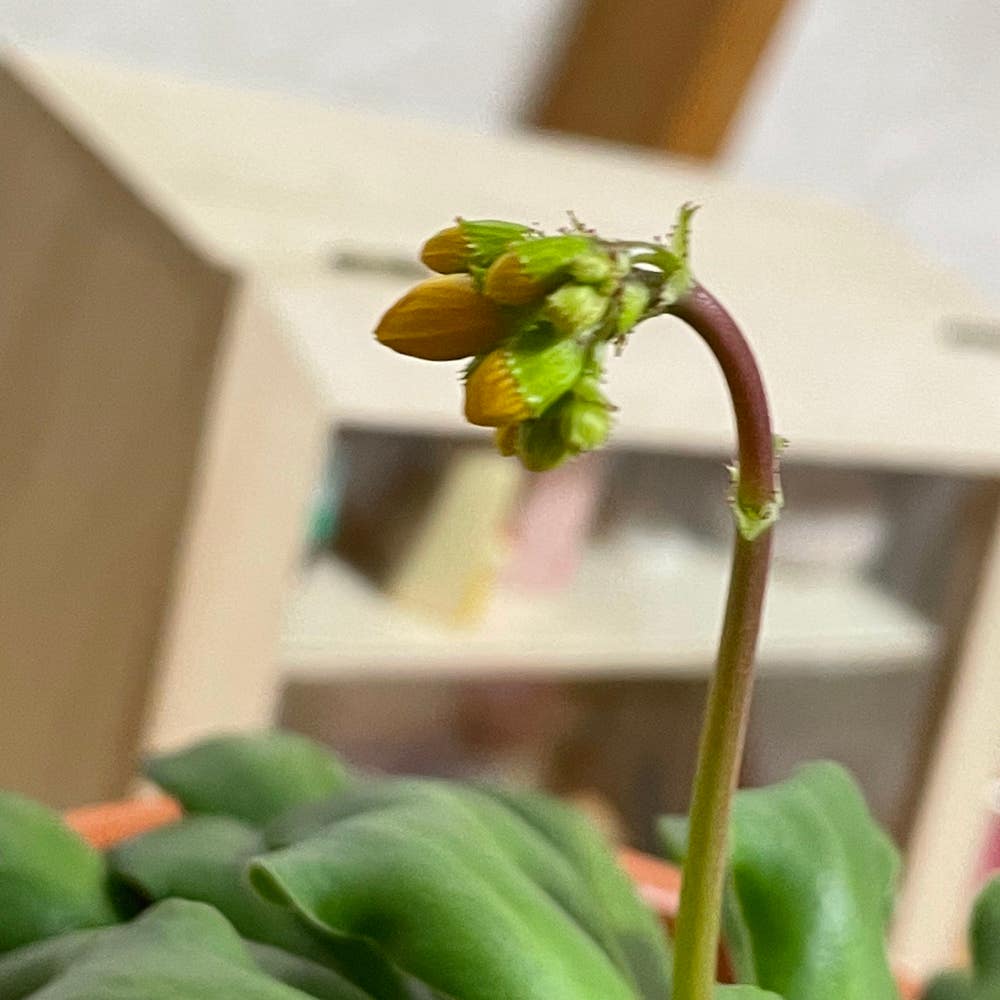
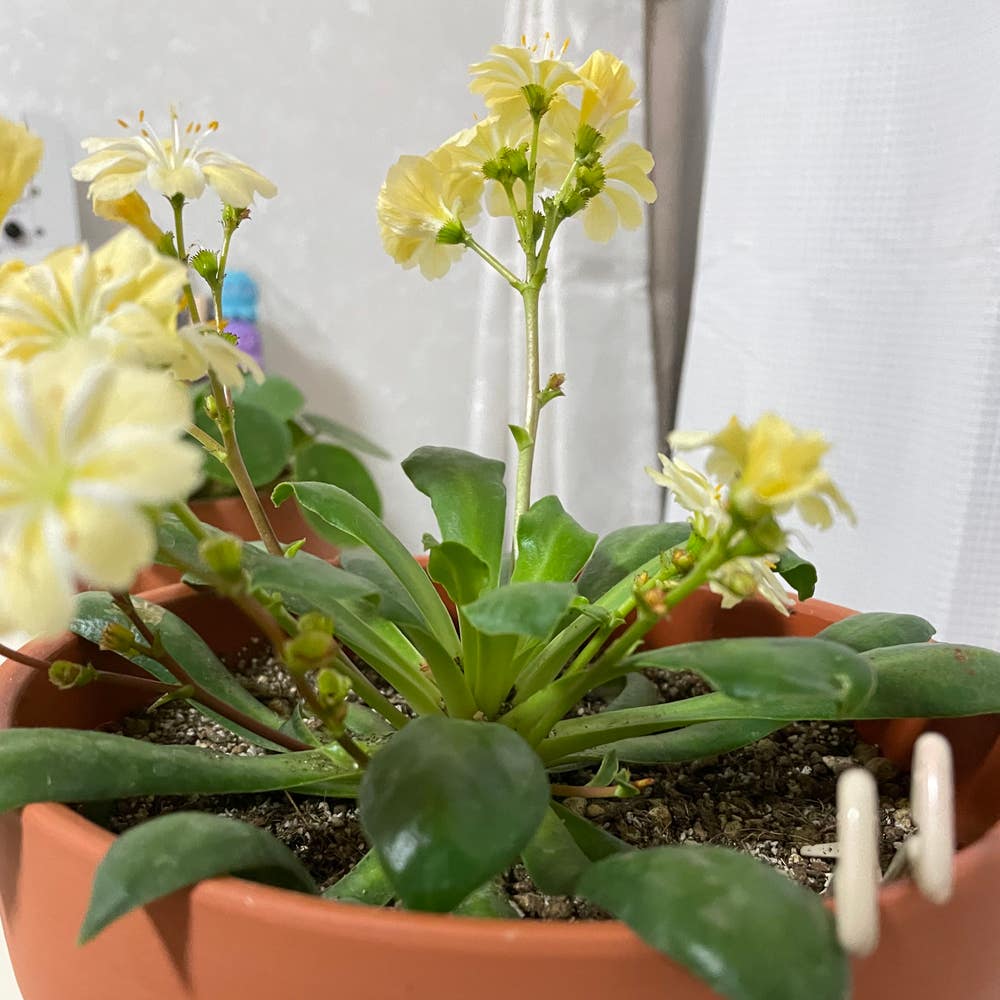
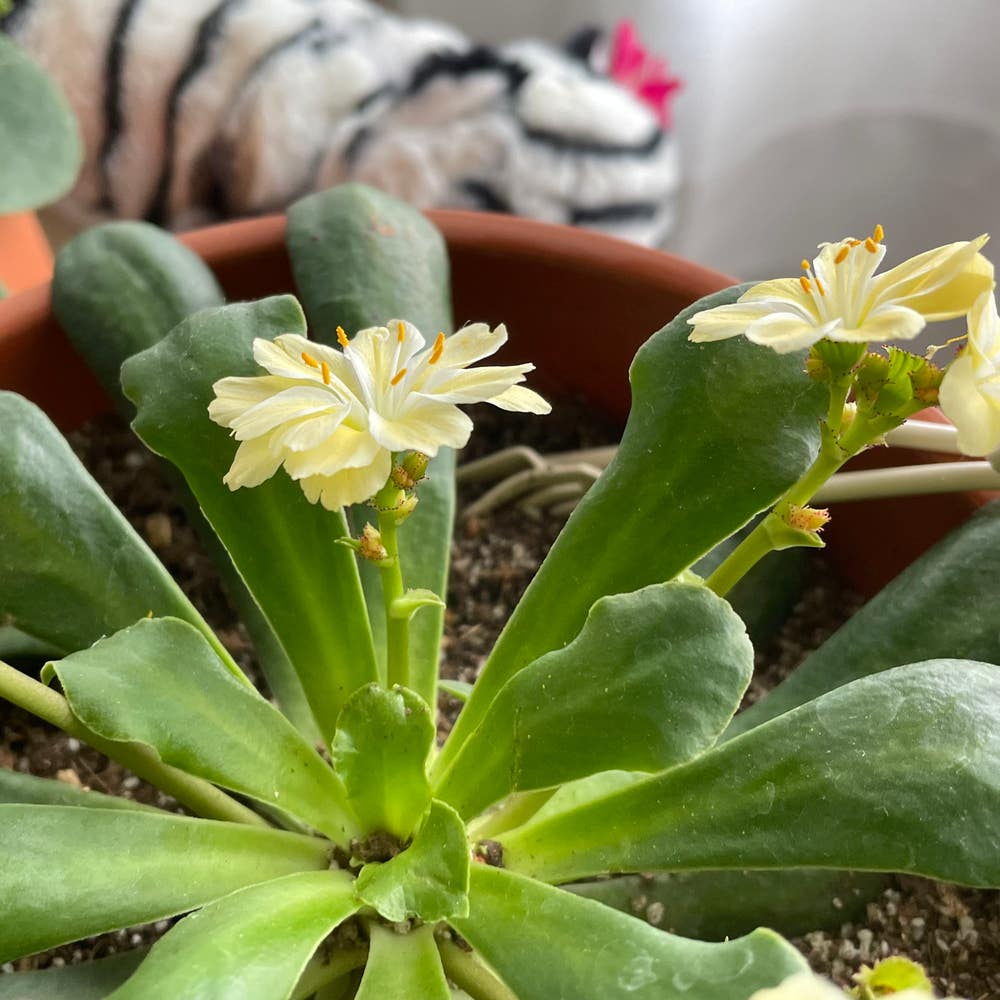
As temperatures rise, Bitterroot experiences a vibrant awakening in spring. This is marked by the emergence of fresh foliage and stunning flowers, signaling the end of dormancy.
🌱 Impact of Seasonal Changes on Flowering
The timing of Bitterroot's bloom is typically in spring, but it can vary based on local climate conditions. Factors like temperature and moisture play a significant role in determining when these beautiful flowers will appear, making each growing season unique.
Understanding these seasonal changes helps gardeners appreciate the resilience of Bitterroot and plan accordingly for its growth cycles. As we transition to the next section, let's explore the advantages of Bitterroot's perennial nature for gardeners.
Advantages for Gardeners
Benefits of Perennial Nature 🌱
Bitterroot offers significant advantages for gardeners, primarily through its perennial nature. Once established, these plants reduce the need for replanting, making them a long-term investment in your garden space.
This longevity translates to cost-effectiveness as well. You’ll save money on seed purchases and planting efforts, allowing you to focus resources on other gardening projects.
Established Root Systems 🌳
The deep, well-established root systems of Bitterroot provide essential benefits. These roots play a crucial role in soil stabilization, helping to prevent erosion and maintain soil integrity.
Moreover, established roots can access deeper soil layers for nutrients and moisture. This ability ensures that the plant remains healthy and vibrant, even in less-than-ideal conditions.
Incorporating Bitterroot into your garden not only enhances its beauty but also contributes to a more sustainable ecosystem. With minimal intervention needed once established, you can enjoy the natural growth cycles of these resilient perennials.
As we explore the lifespan and longevity factors of Bitterroot, you'll discover how to maximize the benefits of this remarkable plant in your garden.
Lifespan and Longevity Factors
Expected Lifespan 🌱
Bitterroot can thrive for several years, often exceeding 5 to 10 years when grown under optimal conditions. This longevity makes it a valuable addition to any garden, providing beauty and resilience over time.
Factors Influencing Longevity 🌍
Soil Quality 🪨
The quality of soil plays a crucial role in the lifespan of Bitterroot. Well-drained, rocky soils are particularly beneficial, promoting healthy root development and longevity.
Climate Conditions ☀️
Local climate conditions significantly influence growth and flowering patterns. Variability in temperature and moisture can affect how well Bitterroot establishes itself and flourishes.
Understanding these factors can help gardeners create the ideal environment for Bitterroot, ensuring it thrives for years to come. With the right conditions, this perennial can be a stunning and enduring feature in your garden.
As we explore the next section, we'll delve into how climate variations impact Bitterroot's behavior across different growing conditions.
Climate Variations and Growing Conditions
🌍 Variations in Behavior Across Climate Zones
Bitterroot is remarkably adaptable, thriving in a range of climate zones. However, its growth can vary significantly based on local conditions.
Temperature, moisture, and soil type play crucial roles in determining how well Bitterroot flourishes. For instance, warmer climates may encourage earlier blooming, while cooler areas might delay growth.
🌱 Tips for Maximizing Benefits in Garden Planning
To get the most out of your Bitterroot, strategic planting is essential. Always consider your local climate and soil conditions to ensure optimal growth.
Once established, Bitterroot requires minimal intervention, allowing it to follow its natural growth cycles. This hands-off approach not only saves time but also promotes a healthier plant.
Companion planting can further enhance your garden's biodiversity. Pairing Bitterroot with other perennials can create a resilient ecosystem, benefiting all plants involved.
By understanding these climate variations and implementing thoughtful gardening strategies, you can enjoy the full benefits of Bitterroot in your landscape. Next, we’ll explore the expected lifespan and factors influencing longevity.
⚠️ Safety First
This content is for general information and may contain errors, omissions, or outdated details. It is not medical, veterinary advice, or an endorsement of therapeutic claims.
Always consult a qualified healthcare professional before using any plant as food, medicine, or supplement.
Never eat any plant (or feed one to pets) without confirming its identity with at least two trusted sources.
If you suspect poisoning, call Poison Control (800) 222-1222, the Pet Poison Helpline (800) 213-6680, or your local emergency service immediately.
Spotted an error? Please report it here.
Celebrate the enduring charm of Bitterroot 🌱, and let Greg help you cultivate a thriving garden with tailored care reminders that make nurturing your perennials a breeze!