🌼 Growing Your Bitterroot Outdoors
Lewisia spp.
By the Greg Editorial Team
Aug 24, 2024•7 min read
This article was created with the help of AI so we can cover more plants for you. May contain errors. See one? Report it here.
- ☀️ Bitterroot needs 6-8 hours of sunlight daily for optimal growth and flowering.
- 💧 Water every 1-2 weeks, allowing soil to dry out to prevent root rot.
- 🌱 Well-drained, rocky soil with pH 6.0-7.0 is ideal for Bitterroot health.
Sunlight Requirements
Ideal Sunlight Exposure 🌞
Bitterroot thrives in full sun, needing at least 6-8 hours of direct sunlight daily. This exposure is crucial as it promotes healthy growth and vibrant flowering, ensuring your plants look their best.
Effects of Insufficient Sunlight 🌑
When Bitterroot doesn't get enough sunlight, you'll notice stunted growth with weak stems and fewer flowers. Additionally, poor light conditions can increase susceptibility to diseases, particularly fungal issues that can harm your plants.
Understanding these sunlight requirements is essential for cultivating a thriving Bitterroot garden. With the right care, you can enjoy a stunning display of blooms that will brighten your outdoor space.
Next, let’s explore the watering needs and frequency to keep your Bitterroot healthy and flourishing.
Watering Needs and Frequency
💧 General Watering Guidelines
When starting out, it's crucial to keep the soil consistently moist until your Bitterroot is well established. Watering every 1-2 weeks is generally sufficient, but always allow the soil to dry out between waterings to prevent waterlogging.
🌵 Drought Tolerance
Once established, Bitterroot showcases impressive drought tolerance thanks to its unique root system that effectively stores water. However, be cautious of overwatering; signs include yellowing leaves and root rot, which can quickly become a problem if not addressed.
With these watering tips in mind, you can ensure your Bitterroot thrives beautifully in your garden. Next, let’s explore the ideal soil preferences and amendments to further support its growth.
Soil Preferences and Amendments
Ideal Soil Conditions 🌱
Bitterroot thrives in well-drained, rocky soil that closely resembles its natural habitat. Aim for a soil pH between 6.0 and 7.0, which is slightly acidic to neutral, to ensure optimal growth.
Soil Amendments 🧪
To enhance drainage, consider adding sand or gravel to your soil mix. Incorporating organic matter can boost soil fertility while preventing excess moisture retention, creating a balanced environment for your plants.
By focusing on these soil preferences and amendments, you set the stage for healthy Bitterroot growth. Next, let’s explore the fertilization guidelines to keep your plants nourished and thriving.
Fertilization Guidelines
Fertilization Schedule 🌱
Timing is everything when it comes to fertilizing your Bitterroot. Apply a balanced, slow-release fertilizer in early spring, just before blooming begins.
This timing ensures that your plants have the nutrients they need to kickstart their growth and produce vibrant flowers.
Nutrient Needs 🥦
Bitterroot thrives on essential nutrients like nitrogen, phosphorus, and potassium. These elements are crucial for promoting healthy growth and abundant flowering.
Keep an eye out for signs of nutrient deficiency, such as poor growth or a lack of blooms. Addressing these issues early can make a significant difference in your plant's health.
With the right fertilization practices, your Bitterroot can flourish beautifully, setting the stage for a stunning outdoor display. Next, let’s explore the best planting options for your garden!
Planting Options
Container vs. In-Ground Planting 🌱
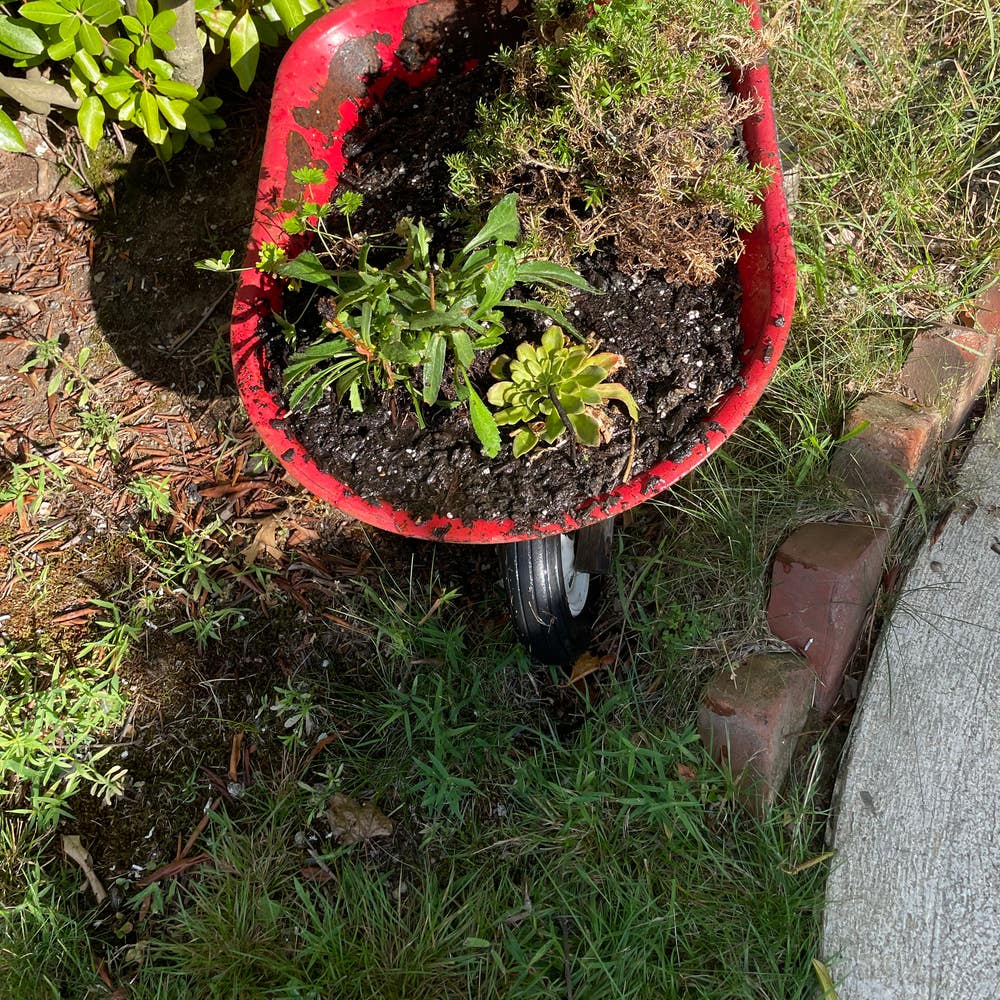
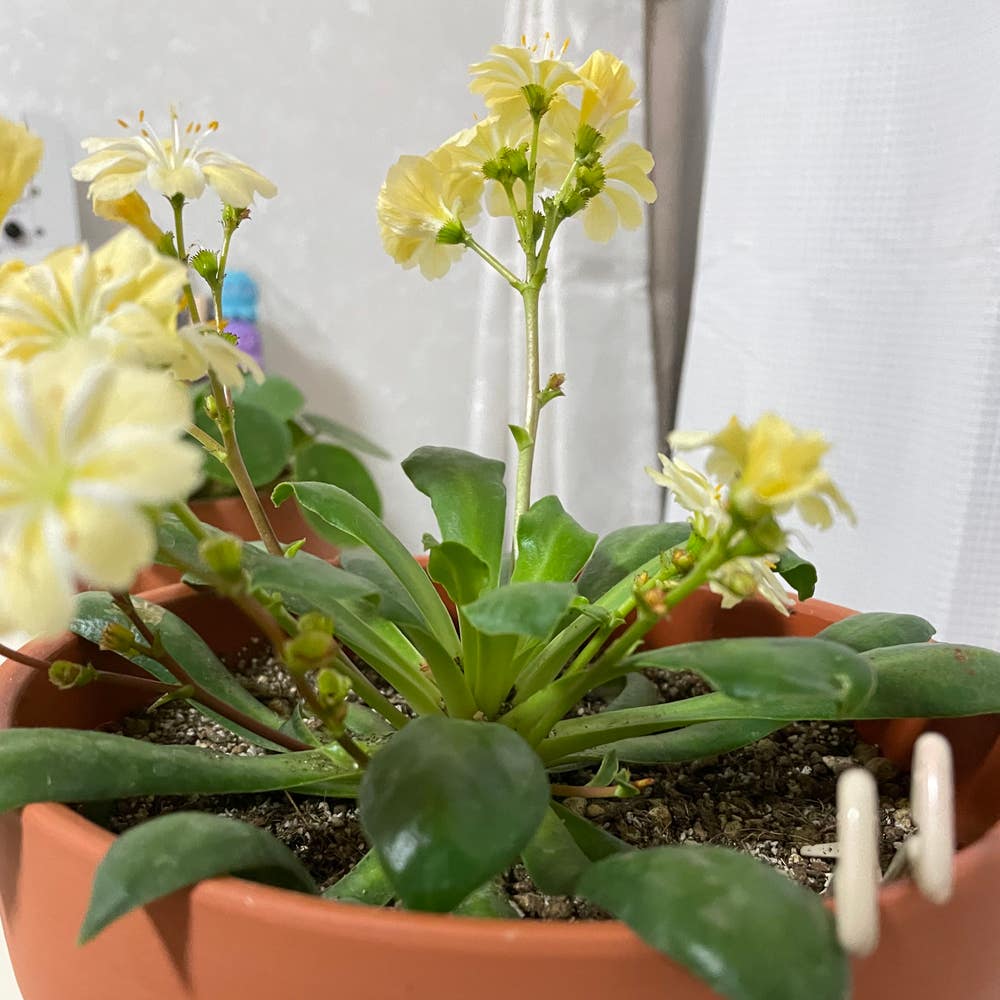
When deciding where to plant your Bitterroot, consider the benefits of container planting. Containers offer mobility, allowing you to move plants to optimize sunlight or protect them from harsh weather.
However, container planting comes with its challenges. Limited root space can restrict growth, and you'll need to water more frequently to keep the soil moist.
On the other hand, in-ground planting provides a more natural environment. This method allows for better moisture retention and encourages the plant to develop a robust root system.
Yet, in-ground planting isn't without its drawbacks. You have less control over soil quality and may face increased vulnerability to pests and diseases.
Weighing Your Options ⚖️
Ultimately, the choice between container and in-ground planting depends on your gardening goals. If you value flexibility and control, containers might be the way to go.
Conversely, if you want your Bitterroot to thrive in a more natural setting, in-ground planting could be ideal. Consider your space, climate, and commitment level before making a decision.
With the right planting option, your Bitterroot can flourish beautifully. Next, let’s explore the essential watering needs and frequency to keep your plants healthy and vibrant.
Weather Protection
🌪️ Strategies for Protecting from Extreme Weather
Weather can be unpredictable, but you can take steps to protect your Bitterroot. Mulching is a fantastic strategy; it helps retain moisture and regulates soil temperature, creating a stable environment for growth.
Another effective method is using windbreaks. Planting nearby shrubs or trees can shield your Bitterroot from strong winds, reducing stress on the plants and promoting healthier growth.
🍂 Seasonal Adjustments
Each season brings its own challenges, so it's essential to adjust your care accordingly. In spring, keep an eye out for late frosts. If temperatures dip unexpectedly, cover your plants to protect them from damage.
During summer, the heat can be intense. Providing shade is crucial; consider using shade cloth or strategically placing taller plants nearby. Also, ensure you're watering adequately to keep the soil moist.
As fall approaches, it's time to prepare for winter. Cut back any dead foliage to prevent disease and help your plants conserve energy for the colder months ahead.
By implementing these weather protection strategies, you can ensure your Bitterroot thrives through all seasons. Next, let’s explore how to manage pests and diseases effectively.
Pest and Disease Management
🐜 Common Outdoor Pests
Bitterroot plants can attract a few pesky visitors. Aphids are notorious for curling leaves and leaving a sticky residue behind.
Slugs are another concern, often leaving holes in the leaves as evidence of their munching. Keeping an eye out for these signs can help you catch infestations early.
🛡️ Preventative Measures
Regular inspections of your plants are key to early detection of pests. Look closely at the undersides of leaves and around the base of the plant.
Encouraging natural predators, like ladybugs, can also help keep pest populations in check. These beneficial insects love to feast on aphids, providing a natural solution to your pest problems.
🦠 Common Diseases and Treatments
Overwatering can lead to root rot, a serious issue for Bitterroot. If you notice wilting or yellowing leaves, improving drainage is essential to save your plant.
Powdery mildew is another common ailment, often appearing as a white, powdery coating on leaves. You can control this by applying fungicides or simply increasing air circulation around your plants.
By staying vigilant and proactive, you can ensure your Bitterroot thrives despite the challenges posed by pests and diseases. Next, let’s explore how to care for your plants through the changing seasons.
Seasonal Care
Spring Care Tips 🌱
As the growing season kicks off, it's time to give your Bitterroot a boost. Apply a balanced fertilizer to support healthy growth as the plants awaken from winter dormancy.
Pruning is also essential in spring. Remove any dead or damaged foliage to encourage new growth and improve overall plant health.
Summer Maintenance Practices ☀️
During the hot summer months, consistent moisture is key. Ensure your Bitterroot receives adequate watering, especially during dry spells, to keep it thriving.
Don't forget about deadheading! Removing spent flowers not only tidies up your garden but also encourages further blooming, extending the beauty of your plants.
Fall Preparation 🍂
As temperatures begin to drop, it's crucial to prepare your Bitterroot for winter. Apply a layer of mulch around the base to protect the roots from frost and temperature fluctuations.
Cutting back dead foliage is another important step. This practice helps prevent disease and prepares the plant for a healthy dormancy.
Winter Care Considerations ❄️
Winter can be tough on plants, so take some precautions. Gently brush off heavy snow from branches to prevent breakage and damage.
Keep an eye on frost conditions. Cover your Bitterroot during extreme cold snaps to shield it from harsh temperatures and ensure it emerges strong in spring.
With these seasonal care tips, your Bitterroot will be well-equipped to thrive throughout the year. Next, let’s explore how climate zones impact your gardening strategies.
Climate Zone Considerations
🌍 Identifying Suitable Climate Zones
Bitterroot thrives best in USDA zones 4-9, showcasing its versatility across various temperatures. This plant is particularly adaptable, able to withstand the temperature fluctuations typical of alpine environments.
☔ Special Care for Different Conditions
In arid climates, focus on drought-resistant practices and soil amendments to support its growth. Conversely, in humid climates, ensure proper drainage to prevent root rot, which can be detrimental to your Bitterroot.
Understanding these climate considerations will help you create the ideal environment for your Bitterroot, ensuring it flourishes beautifully. Next, let’s explore effective pest and disease management strategies to keep your plants healthy and vibrant.
⚠️ Safety First
This content is for general information and may contain errors, omissions, or outdated details. It is not medical, veterinary advice, or an endorsement of therapeutic claims.
Always consult a qualified healthcare professional before using any plant as food, medicine, or supplement.
Never eat any plant (or feed one to pets) without confirming its identity with at least two trusted sources.
If you suspect poisoning, call Poison Control (800) 222-1222, the Pet Poison Helpline (800) 213-6680, or your local emergency service immediately.
Spotted an error? Please report it here.
Grow your Bitterroot flourishing outdoors 🌼 by letting Greg provide personalized watering reminders and care tips to ensure it thrives in any climate!