🌸 Top 4 Signs Your Bitterroot Has Flower Problems
Lewisia spp.
By the Greg Editorial Team
Aug 24, 2024•5 min read
This article was created with the help of AI so we can cover more plants for you. May contain errors. See one? Report it here.
- 🌼 Lack of flower buds signals potential issues with your Bitterroot's health.
- ☀️ Bitterroots need 6+ hours of sunlight daily for optimal blooming.
- 🌱 Nutritional deficiencies and environmental stress can hinder flower production.
Signs of Failure to Bloom
🌼 Identifying Failure to Bloom
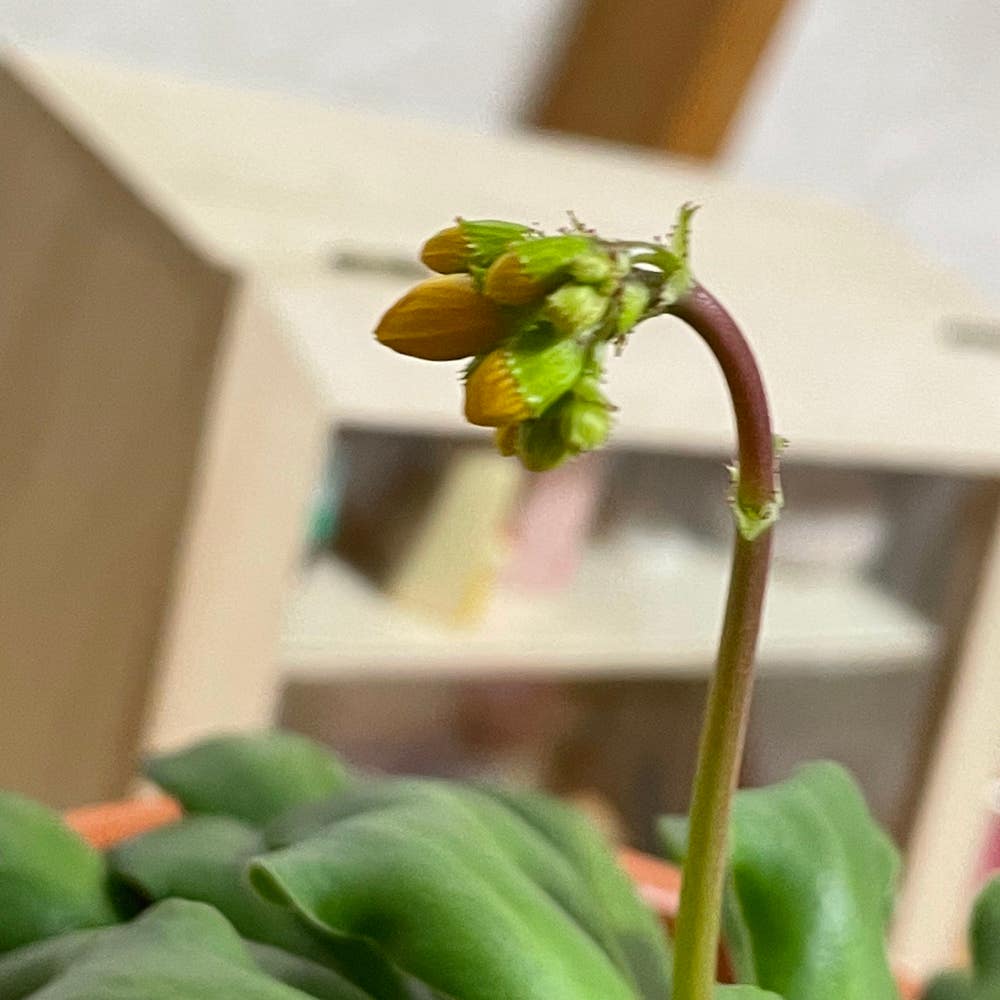
One of the first signs your Bitterroot may be struggling is the lack of flower buds. If you notice no visible buds during the expected bloom cycle, it’s a clear indicator something is off.
Another red flag is delayed blooming. If flowers don’t appear within the typical flowering season, it’s time to investigate further.
🔍 Potential Causes
Insufficient light is a common culprit. Bitterroots thrive in full sun, requiring at least six hours of direct sunlight daily for optimal blooming.
Nutritional deficiencies can also hinder flower production. A lack of essential nutrients, particularly phosphorus and potassium, may lead to poor flowering.
Additionally, environmental stress plays a significant role. Factors like drought or excessive moisture can severely impact blooming, leaving your plant struggling.
🛠️ Solutions (difficulty: easy)
To tackle these issues, start by adjusting light exposure. Ensure your Bitterroot receives at least six hours of direct sunlight each day.
Next, consider soil testing. Conduct a soil test to identify any nutrient deficiencies and amend the soil accordingly.
Lastly, focus on water management. Implement a consistent watering schedule to avoid stress, ensuring your plant remains healthy and vibrant.
By addressing these signs and solutions, you can help your Bitterroot thrive and enjoy a beautiful bloom season. Next, let’s explore the causes of premature flower drop and how to manage them effectively.
Causes of Premature Flower Drop
🌼 Identifying Premature Flower Drop
Premature flower drop can be alarming. You might notice flowers wilting and falling off before they fully open, which is a clear sign something's amiss.
Additionally, keep an eye on the leaves. If they start to yellow or wilt alongside the flowers, it’s a strong indicator of underlying issues.
🔍 Potential Causes
One major culprit is over-fertilization. When plants receive excessive nutrients, it can weaken flower structures, making them prone to dropping.
Pest infestations are another concern. Certain pests can wreak havoc on flowers, causing them to fall off prematurely, leaving your plant looking sad.
🛠️ Solutions
To combat over-fertilization, moderation is key. Use a balanced fertilizer and avoid over-application to keep your plants healthy.
For pest management, regular inspections are crucial. Check your plants weekly for any signs of pests and apply appropriate treatments, such as insecticidal soap, to keep them at bay.
By addressing these issues promptly, you can help your bitterroot thrive and enjoy a beautiful bloom season. Next, let’s explore abnormal flower development issues that can also affect your plant’s health.
Abnormal Flower Development Issues
🌼 Identifying Abnormal Flower Development
Abnormal flower development can be frustrating for any gardener. Look out for deformed flowers that appear misshapen or stunted, as well as color variations where blooms lack their typical vibrancy.
🔍 Potential Causes
Several factors can contribute to these issues. Poor soil conditions, such as compacted or poorly drained soil, can significantly affect flower health. Additionally, inadequate light can lead to weak flower development, leaving your plants struggling to thrive.
🛠️ Solutions
Fortunately, there are effective solutions to address these problems.
Soil Improvement
Start by amending your soil with organic matter. This enhances drainage and fertility, creating a healthier environment for your flowers.
Light Adjustment
If your plant isn't receiving adequate sunlight, consider relocating it. Ensure it gets at least six hours of direct sunlight daily to promote robust flower growth.
By addressing these factors, you can help your bitterroot flourish and enjoy vibrant blooms. Next, let’s explore the environmental factors that can affect flowering.
Environmental Factors Affecting Flowering
🌞 Light Requirements and Their Impact on Blooming
Bitterroot plants thrive in full sun, needing at least 6 hours of direct sunlight daily. Without this essential light, you may notice poor flowering and weak growth, leaving your garden less vibrant than it could be.
Shade can be detrimental, stunting the plant's potential. If your bitterroot isn't blooming as expected, consider its light exposure—relocating it to a sunnier spot might do wonders.
🍽️ Nutritional Needs for Optimal Flowering
To achieve stunning blooms, focus on essential nutrients like phosphorus and potassium. These elements are crucial for flower development and overall plant health.
Watch for signs of nutritional deficiencies, such as yellowing leaves or lackluster flower production. Addressing these issues promptly can lead to a more robust and colorful display in your garden.
By ensuring your bitterroot receives the right light and nutrients, you set the stage for a flourishing bloom season. Next, let’s explore problem-solving techniques to tackle any flower issues you might encounter.
Problem-Solving Techniques
Step-by-Step Solutions for Each Flower Problem 🌸
Identify the specific flower issue: Start by determining whether your bitterroot is failing to bloom, experiencing premature flower drop, or showing signs of abnormal development. This initial step is crucial for effective troubleshooting.
Assess environmental factors: Evaluate the light exposure, soil quality, and nutritional needs of your plant. Understanding these elements will help pinpoint the root cause of the problem.
Implement targeted solutions: Once you've identified the issue and assessed the environment, apply the appropriate solutions. For instance, if light is lacking, ensure your plant receives at least six hours of direct sunlight daily.
Tips for Monitoring and Adjusting Care Practices 📝
Regular inspections: Make it a habit to check your plants weekly for signs of stress or pest infestations. Early detection can save your flowers from further damage.
Adjust care practices: Be proactive and responsive to any changes in your plant's health or environmental conditions. Small adjustments can lead to significant improvements in blooming.
By following these steps and tips, you can effectively address flower problems and ensure your bitterroot thrives. With a little attention and care, you’ll be rewarded with beautiful blooms.
⚠️ Safety First
This content is for general information and may contain errors, omissions, or outdated details. It is not medical, veterinary advice, or an endorsement of therapeutic claims.
Always consult a qualified healthcare professional before using any plant as food, medicine, or supplement.
Never eat any plant (or feed one to pets) without confirming its identity with at least two trusted sources.
If you suspect poisoning, call Poison Control (800) 222-1222, the Pet Poison Helpline (800) 213-6680, or your local emergency service immediately.
Spotted an error? Please report it here.
Spotting flower problems in your Bitterroot is the first step to blooming success 🌸, and with Greg's tailored care reminders, you can effortlessly optimize light and watering for stunning flowers!