🏔️ 7 Key Phases of Bitterroot Development
Lewisia spp.
By the Greg Editorial Team
Aug 24, 2024•4 min read
This article was created with the help of AI so we can cover more plants for you. May contain errors. See one? Report it here.
- 🌱 Bitterroot seeds need 15°C to 20°C for successful germination.
- 💧 Consistent moisture is key; keep seeds moist but not waterlogged for best results.
- 🌸 Bitterroot flowers bloom in late spring, attracting pollinators and aiding seed production.
Germination Stage
🌱 Conditions for Germination
For Bitterroot seeds to thrive, they need specific conditions. The optimal temperature range is between 15°C to 20°C (59°F to 68°F), which creates a cozy environment for growth.
Soil moisture is another critical factor. It should be consistently moist but not waterlogged, as too much water can drown the seeds. Additionally, some light exposure can enhance germination rates, giving those seeds a little boost to break through the surface.
⏳ Duration of Germination
The typical germination period for Bitterroot seeds spans 2 to 4 weeks. During this time, several factors come into play, including soil temperature, moisture levels, and seed viability.
Understanding these elements can significantly impact the success of your germination efforts. With the right conditions, you’ll be on your way to nurturing healthy Bitterroot plants.
As we move forward, let’s explore the next phase: the Seedling Stage, where these tiny sprouts begin their journey.
Seedling Stage
🌱 Characteristics of Seedlings
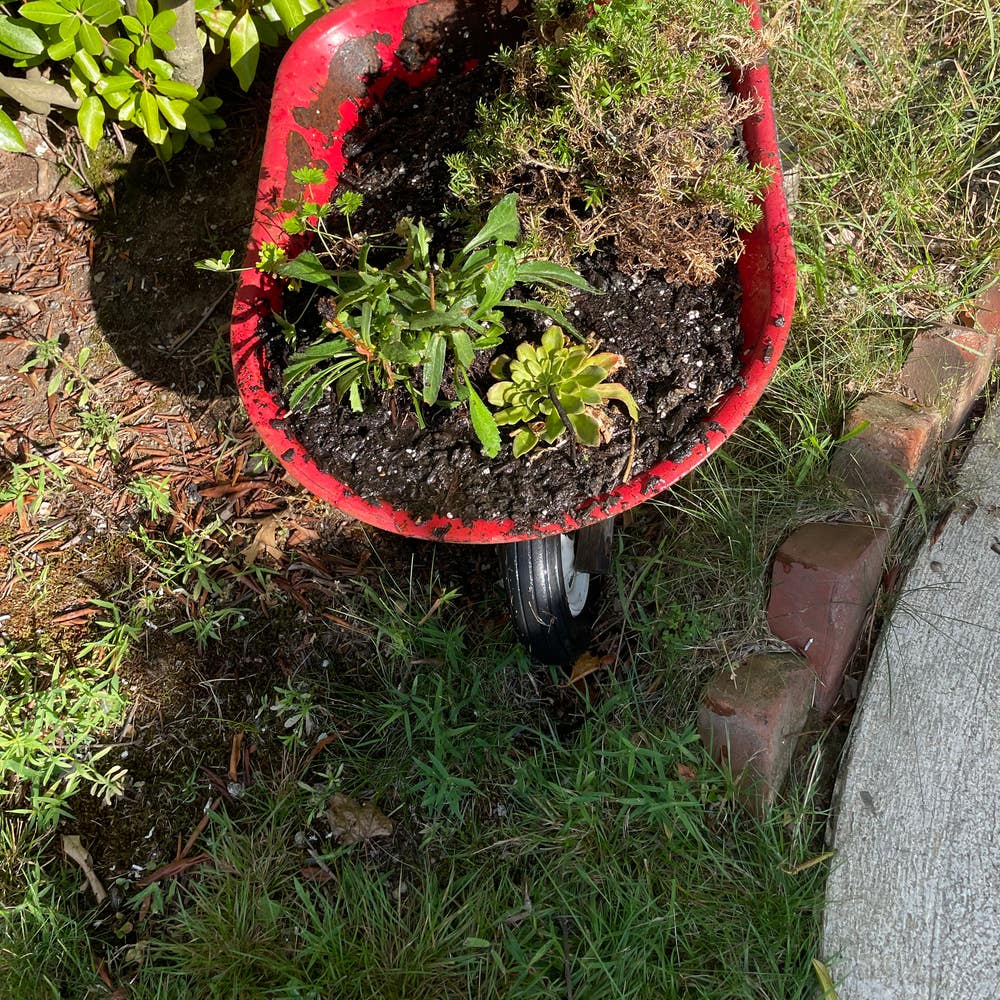
Bitterroot seedlings are quite distinctive. They showcase small, fleshy leaves that form a rosette at the base, giving them a unique appearance.
Their growth habit is marked by a slow initial pace, as they focus on developing a robust root system. This foundational growth is crucial for their future stability and resilience.
⏳ Duration of Seedling Growth
The seedling stage typically lasts about 4 to 8 weeks. During this time, environmental factors play a significant role in their development.
Adequate sunlight and moisture are essential for healthy growth. Without these, seedlings may struggle to thrive, impacting their overall development.
As these seedlings mature, they set the stage for the next exciting phase in their life cycle.
Vegetative Growth Stage
Growth Patterns and Changes 🌱
During the vegetative growth stage, bitterroot plants undergo significant transformations. They develop larger, broader leaves that are specially adapted to withstand drought conditions.
This adaptation is crucial for survival, especially in challenging environments. As the plant matures, you may notice clumping behavior, where multiple rosettes form, creating a lush appearance.
Duration of Vegetative Growth ⏳
The duration of this stage typically spans 1 to 2 years, heavily influenced by environmental conditions. Adequate sunlight and moisture are vital for optimal growth during this period.
Bitterroot plants exhibit remarkable resilience, allowing them to thrive even in harsh climates. This ability to endure tough conditions is a testament to their adaptability and strength.
As the vegetative stage concludes, the plants are well-prepared for the next phase of their life cycle, transitioning smoothly into flowering.
Flowering Stage
Flower Characteristics and Timing 🌸
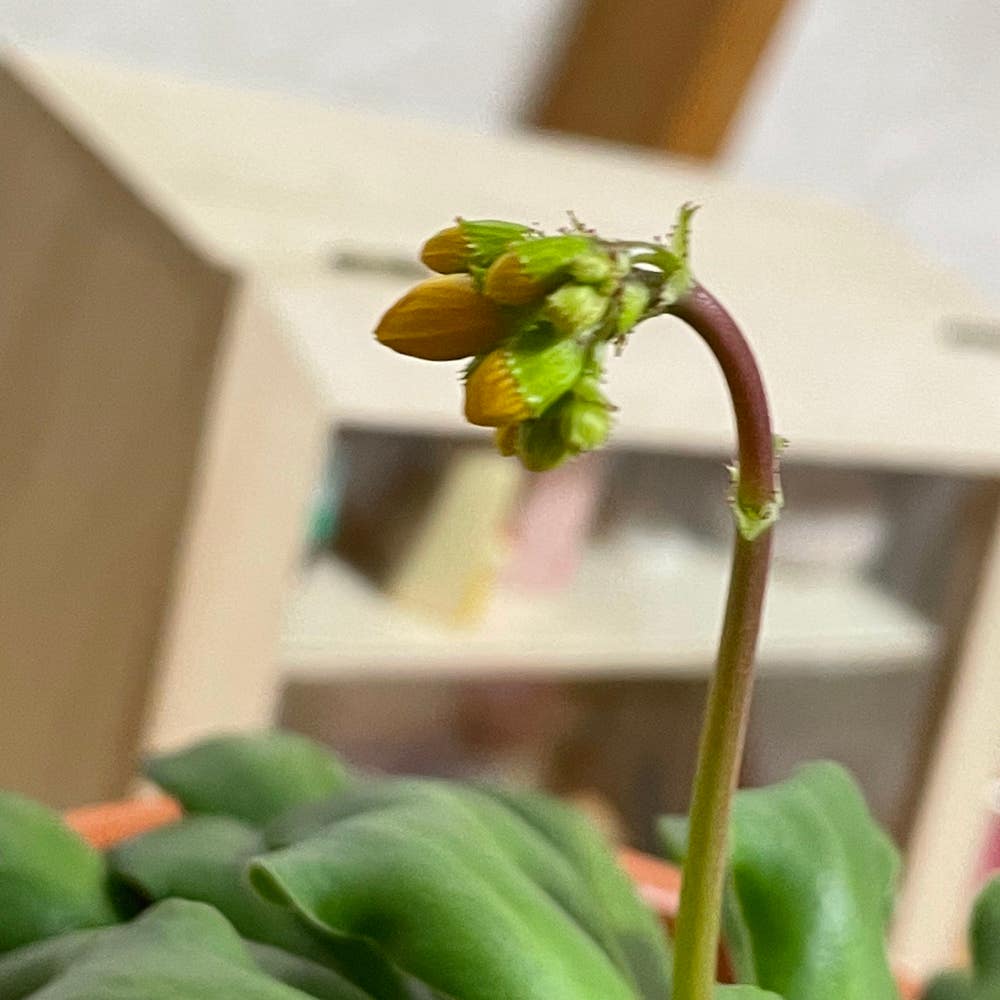
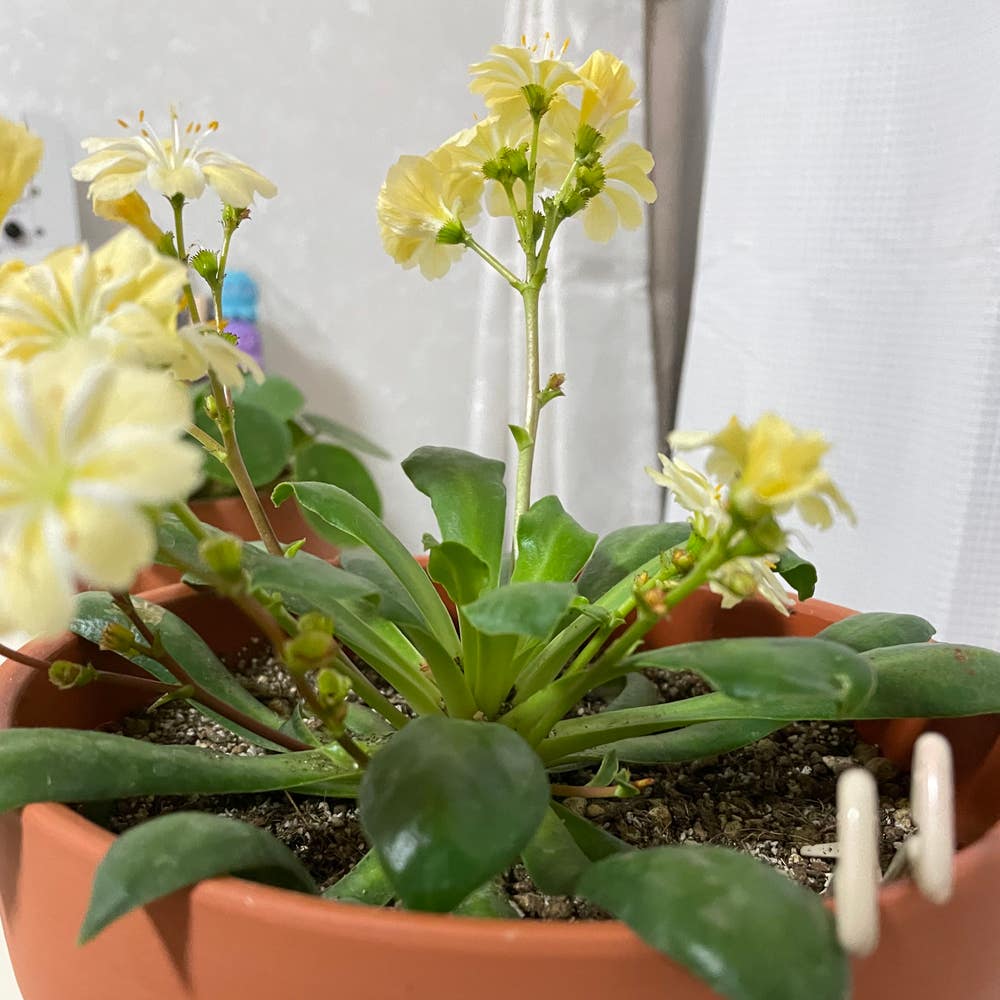
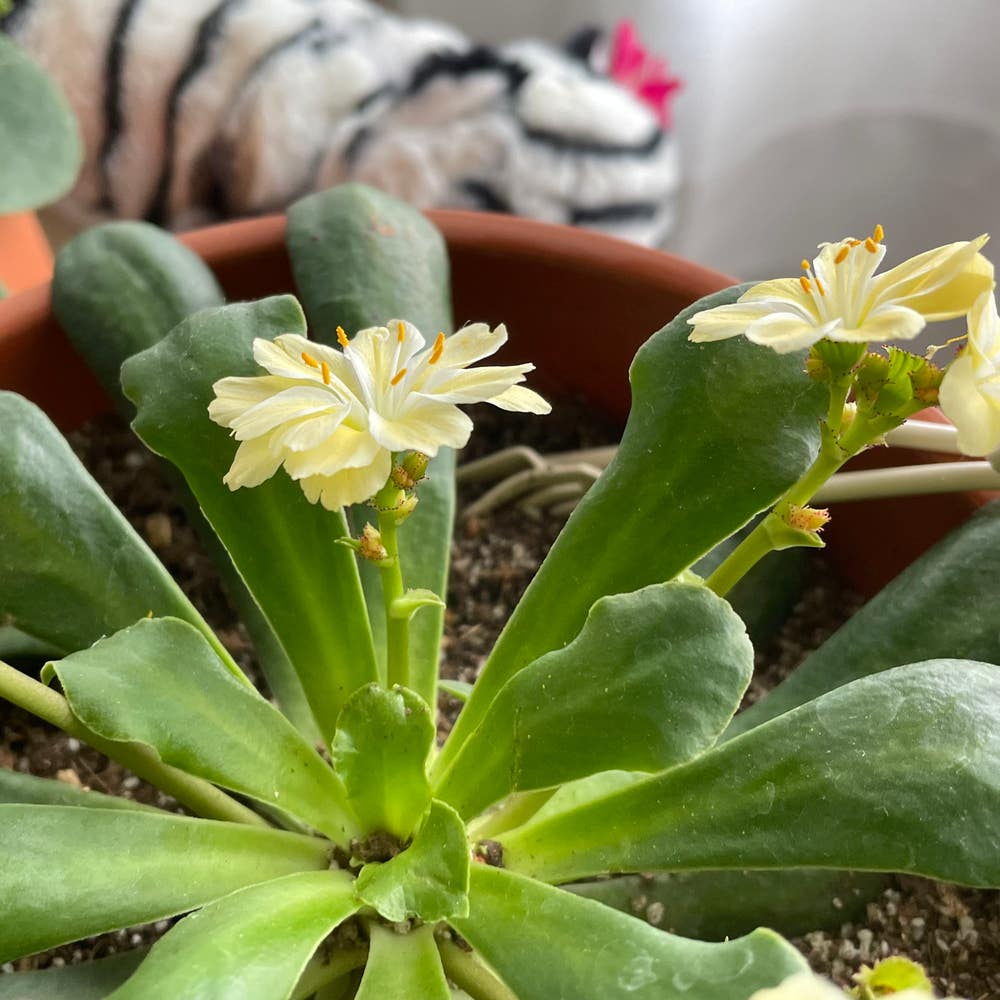
Bitterroot plants showcase distinctive pink to white flowers that bloom in stunning clusters. This vibrant display typically occurs from late spring to early summer, with timing influenced by local climate conditions.
Pollination Process 🐝
These flowers attract a variety of pollinators, including bees and other insects, facilitating essential cross-pollination. Interestingly, some Bitterroot varieties have the ability to self-pollinate, ensuring reproduction even in the absence of pollinators.
As we explore the next phase, the Seed Production Stage, we’ll delve into how these beautiful blooms transition into the formation of seeds, ensuring the continuation of this remarkable plant's life cycle.
Seed Production Stage
🌱 Seed Formation and Dispersal
The seed production stage is crucial for the Bitterroot's lifecycle. During this phase, small, dry seeds develop within the flower capsules, ready to embark on their journey.
Dispersal methods play a significant role in spreading these seeds. Wind and water are the primary agents, helping to carry seeds to new locations where they can germinate and grow.
⏳ Duration of Seed Production
This stage typically lasts about 4 to 6 weeks after flowering. During this time, seeds mature and prepare for their next adventure.
Several factors can affect seed viability. Environmental conditions, such as moisture and temperature, along with successful pollination, are key to ensuring that seeds can thrive in their new homes.
As we explore the next phase of Bitterroot development, we’ll dive into the overall lifespan and growth rate, shedding light on how these plants evolve over time.
Overall Development
Lifespan and Growth Rate 🌱
Bitterroot plants typically have an average lifespan of 3 to 10 years. This range largely depends on their habitat and environmental conditions.
The timeframe for full maturity is around 2 to 3 years when conditions are optimal. During this period, growth is generally slow, but the vegetative stage sees significant development.
Notable Changes Throughout Life Cycle 🌼
As bitterroot matures, it transitions from rosette formation to flowering and seed production. This evolution is fascinating, showcasing the plant's adaptability and resilience.
Additionally, you'll notice changes in leaf size and shape as the plant grows. These transformations reflect the plant's response to its environment, making each stage of development unique and intriguing.
This journey through the bitterroot's life cycle highlights its remarkable ability to thrive in various conditions. Next, we’ll explore the flowering stage, where the plant truly comes into its own.
⚠️ Safety First
This content is for general information and may contain errors, omissions, or outdated details. It is not medical, veterinary advice, or an endorsement of therapeutic claims.
Always consult a qualified healthcare professional before using any plant as food, medicine, or supplement.
Never eat any plant (or feed one to pets) without confirming its identity with at least two trusted sources.
If you suspect poisoning, call Poison Control (800) 222-1222, the Pet Poison Helpline (800) 213-6680, or your local emergency service immediately.
Spotted an error? Please report it here.
Master the 7 phases of Bitterroot growth 🌸 with Greg's tailored moisture alerts and care tips, ensuring your plants flourish from seed to stunning bloom!