☀️ Ultimate Guide to Direct Sunlight for Bitterroot
Lewisia spp.
By the Greg Editorial Team
Aug 24, 2024•4 min read
This article was created with the help of AI so we can cover more plants for you. May contain errors. See one? Report it here.
- 🌞 Bitterroot needs 6+ hours of direct sunlight daily for optimal growth.
- 🌿 Signs of too much sunlight include leaf scorch and wilting; monitor closely.
- 🪟 South and west-facing windows provide ideal conditions for thriving Bitterroot.
Bitterroot's Sunlight Needs
🌞 Does Bitterroot Need Direct Sunlight?
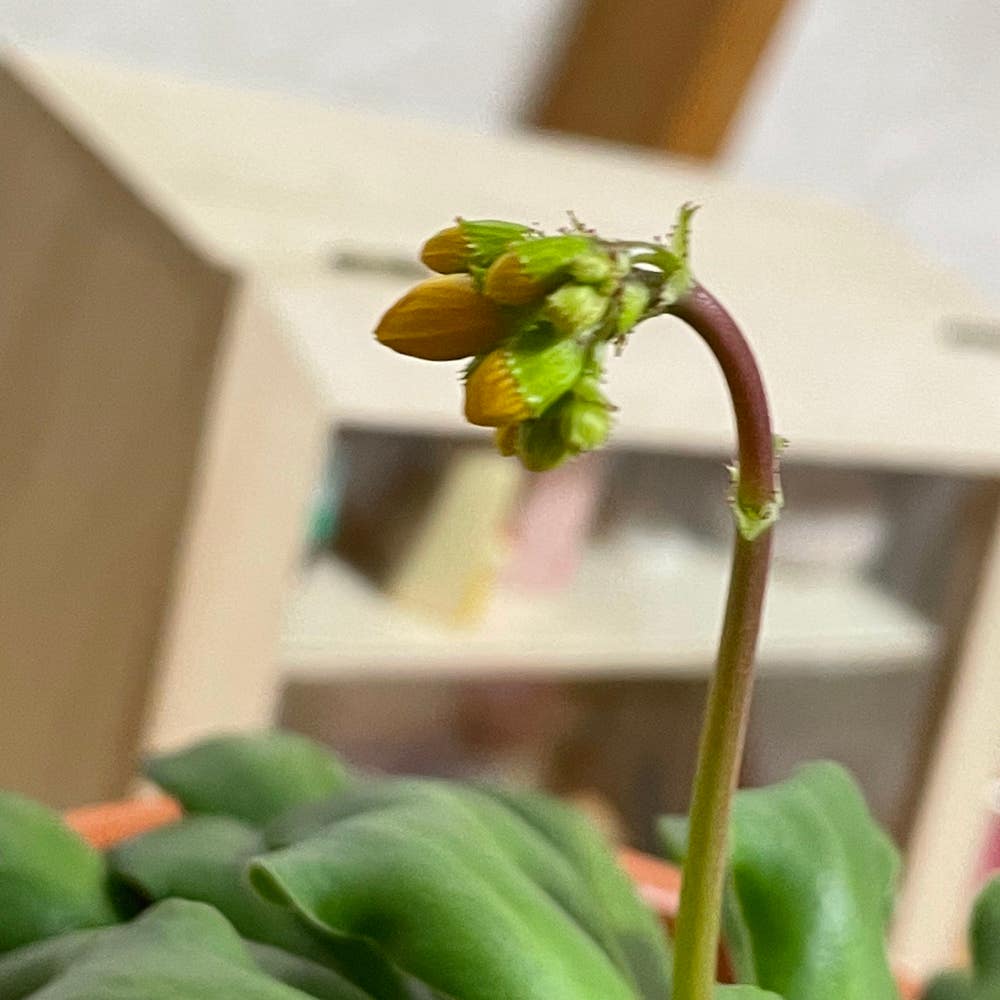
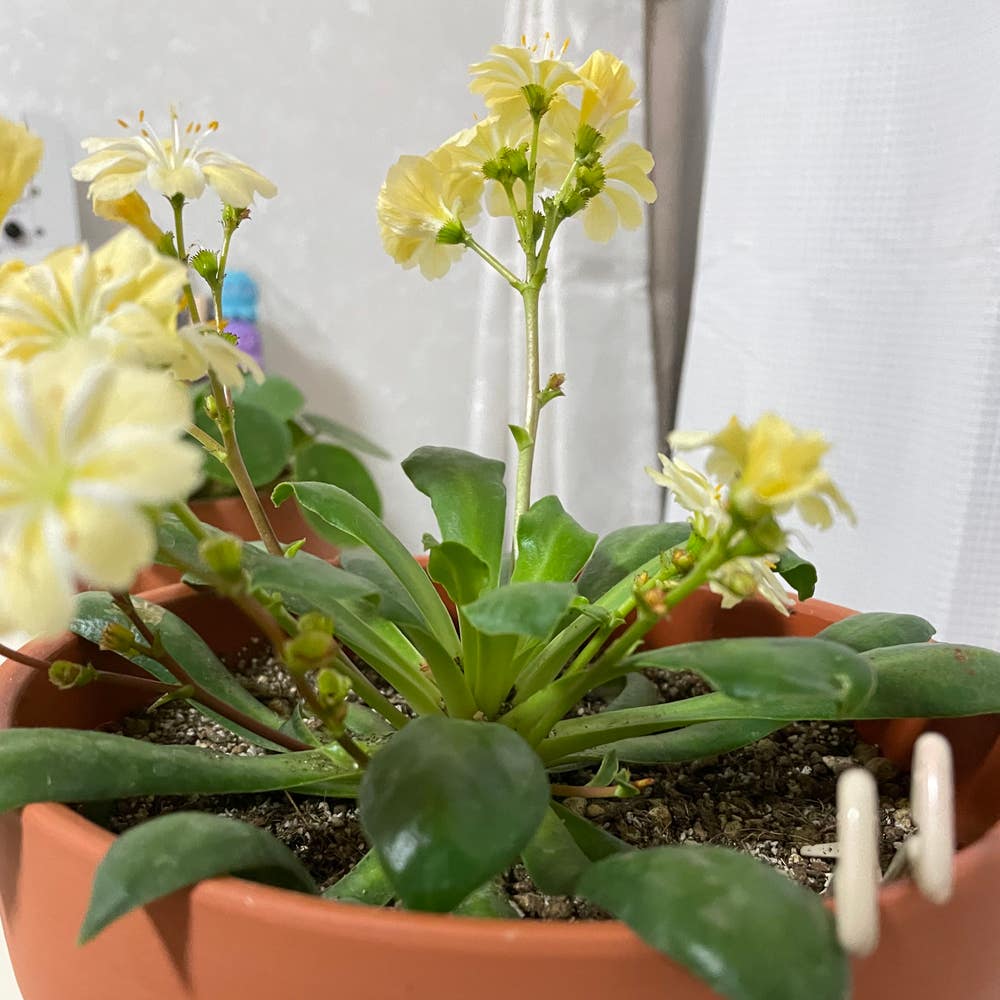
Bitterroot thrives in full sun conditions, requiring at least 6 hours of direct sunlight daily for optimal growth and flowering. This exposure is crucial for the plant to flourish and produce its beautiful blooms.
☀️ Can Bitterroot Tolerate Direct Sunlight?
Absolutely! Bitterroot is well-suited for direct sunlight exposure, making it more tolerant compared to many houseplants. Its resilience allows it to thrive even in intense light conditions.
🔆 Signs of Too Much Sunlight for Bitterroot
While Bitterroot loves the sun, too much can lead to problems.
- Leaf scorch: Look for brown, crispy edges on leaves.
- Sunburn: Faded or bleached patches may appear on the leaves.
- Wilting: Leaves might droop or seem limp, even if you’re watering adequately.
Recognizing these signs early can help you adjust its environment and keep your Bitterroot healthy.
Understanding Bitterroot's sunlight needs is essential for any plant parent. With the right conditions, you can enjoy a thriving plant that brings beauty to your space. Next, let’s explore how environmental factors, like window direction, can further impact sunlight exposure for your Bitterroot.
Environmental Factors Affecting Sunlight
🌞 Role of Window Direction
Best Window Directions for Bitterroot
Bitterroot flourishes best in south-facing windows, which provide the most direct sunlight throughout the day. West-facing windows are also beneficial, offering strong afternoon sunlight that can boost growth.
How Window Direction Affects Sunlight Exposure
East-facing windows deliver gentle morning light, but this may not meet Bitterroot's needs for robust growth. North-facing windows typically offer only indirect light, making them unsuitable for this sun-loving plant.
🌍 Impact of Hemisphere on Sunlight
Differences in Sunlight Intensity in Northern vs Southern Hemisphere
In the Northern Hemisphere, sunlight intensity peaks during the summer months, creating ideal growth conditions. Conversely, the Southern Hemisphere experiences similar patterns, but with reversed seasons; understanding your local climate is essential.
Seasonal Variations in Sunlight Exposure
Spring brings increased sunlight, which supports flowering and overall vitality for Bitterroot. In winter, reduced sunlight may necessitate adjustments in plant placement to ensure it receives adequate light.
By considering these environmental factors, you can create the perfect conditions for your Bitterroot to thrive. Next, let’s explore how Bitterroot has adapted to its sunlight needs in its native habitat.
Bitterroot's Adaptation to Sunlight
🌞 Native Habitat and Sunlight
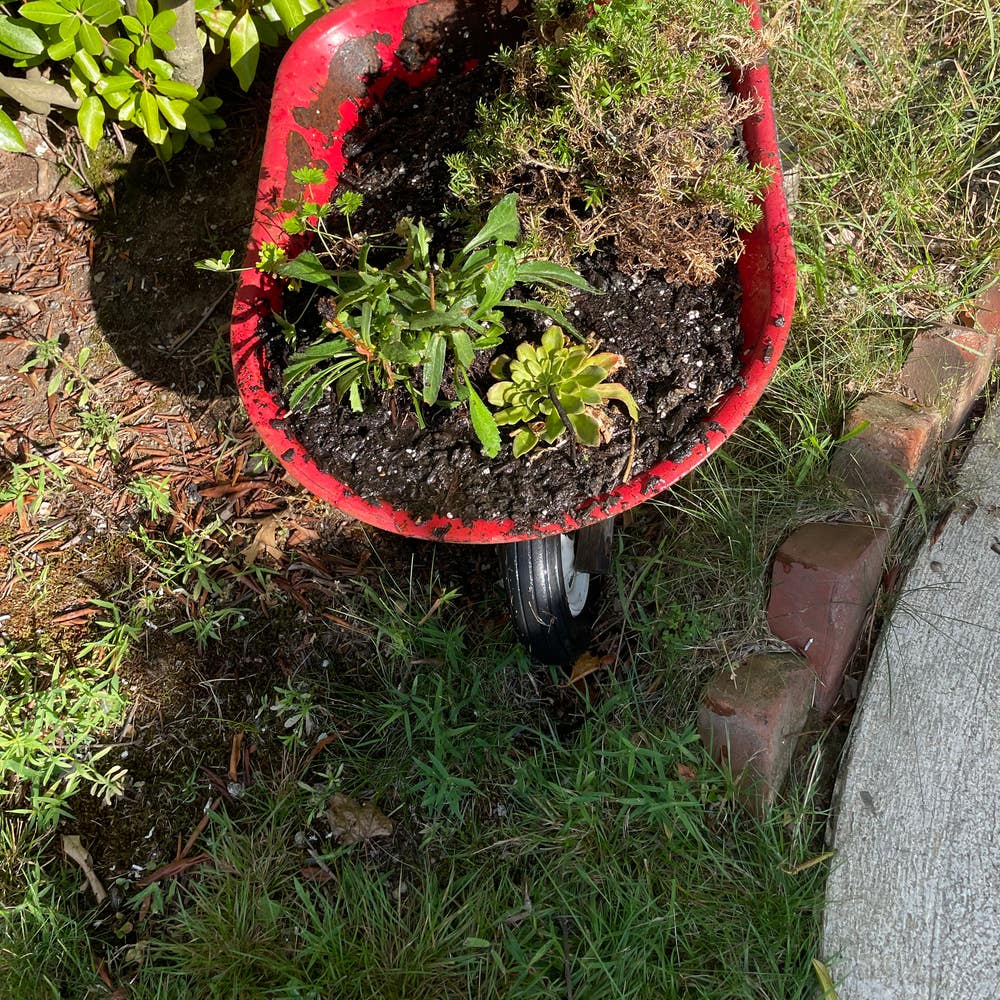
Bitterroot thrives in dry, sunny environments characterized by rocky soils. This natural habitat highlights its strong preference for direct sunlight, making it well-suited for bright, open spaces.
🌻 How Bitterroot Has Adapted to Sunlight in Its Native Environment
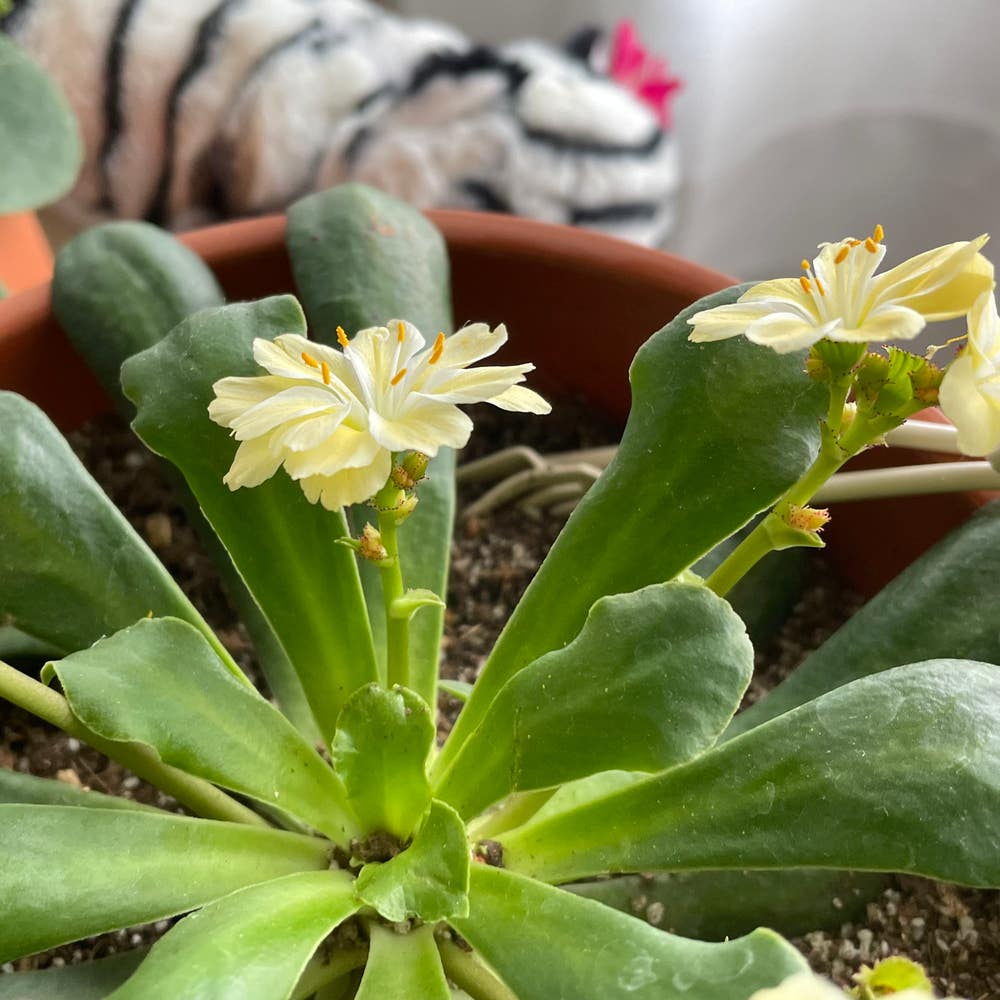
To survive in these harsh conditions, Bitterroot has developed fleshy, succulent leaves that store water. This adaptation allows it to endure intense sunlight and prolonged dry spells, showcasing its resilience.
🌅 Common Issues Related to Sunlight
🌞 Sunburn and Leaf Scorch in Bitterroot
While Bitterroot loves the sun, too much can lead to problems. Symptoms of excessive sunlight include brown edges on leaves and faded patches, indicating sunburn or leaf scorch.
🌤️ Solutions for Managing Sunlight Exposure
To prevent these issues, gradually acclimatize your Bitterroot to direct sunlight. If you notice signs of sunburn, consider relocating the plant to a less intense light area to help it recover.
Understanding Bitterroot's sunlight needs and adaptations can enhance your plant care routine. With the right conditions, your Bitterroot will flourish beautifully.
Practical Tips for Plant Parents
🌞 Monitoring Sunlight Exposure
How to Assess Sunlight Levels for Bitterroot
To ensure your Bitterroot thrives, keep an eye on its leaves. Healthy foliage should be vibrant and firm, signaling that it’s receiving the right amount of sunlight.
Look out for signs of stress, like wilting or discoloration. These can indicate that your plant isn’t getting enough light or is being overwhelmed by too much.
📏 Tools for Measuring Light Intensity
Consider investing in a light meter. This handy device measures the amount of light in a specific area, giving you precise data on your plant's environment.
Alternatively, smartphone apps can be a great resource. Many of these apps estimate light levels based on your location and the time of day, making it easy to monitor conditions.
🌅 Adjusting Sunlight Conditions
Tips for Relocating Bitterroot Based on Sunlight Needs
If your Bitterroot isn’t thriving, try moving it closer to south or west-facing windows. These locations typically provide the most direct sunlight.
Make sure to avoid sudden changes in position. Gradually adjusting your plant's location helps prevent shock and allows it to acclimate smoothly.
Using Sheer Curtains or Shades to Manage Light
Sheer curtains can be a game-changer. They diffuse harsh sunlight while still allowing enough light for your Bitterroot to flourish.
Consider using adjustable shades as well. These can help you control the amount of direct sunlight reaching your plant, ensuring it gets just the right exposure.
As you refine your Bitterroot's sunlight conditions, you'll set the stage for a thriving plant. Next, let’s explore how environmental factors can further influence its growth.
⚠️ Safety First
This content is for general information and may contain errors, omissions, or outdated details. It is not medical, veterinary advice, or an endorsement of therapeutic claims.
Always consult a qualified healthcare professional before using any plant as food, medicine, or supplement.
Never eat any plant (or feed one to pets) without confirming its identity with at least two trusted sources.
If you suspect poisoning, call Poison Control (800) 222-1222, the Pet Poison Helpline (800) 213-6680, or your local emergency service immediately.
Spotted an error? Please report it here.
Give your Bitterroot the sunshine it craves 🌞 with Greg's personalized care tips and reminders to ensure it thrives in your home!