🏔 Best Climate for Bitterroot: Zones 3a-8b
Lewisia spp.
By the Greg Editorial Team
Aug 24, 2024•5 min read
This article was created with the help of AI so we can cover more plants for you. May contain errors. See one? Report it here.
- 🌍 Bitterroot thrives in USDA zones 3a-8b, suitable for diverse U.S. regions.
- ❄️ Withstands extreme cold down to -40°F, ensuring survival in harsh winters.
- 🌞 Prefers rocky, well-drained soils and full sun for optimal growth and health.
Temperature Tolerance
❄️ Cold Tolerance Specifics
Bitterroot is remarkably resilient, capable of withstanding temperatures as low as -40°F (-40°C). This impressive cold tolerance is supported by several adaptations that help the plant survive harsh winter conditions.
Frost tolerance is crucial for Bitterroot's successful growth. It allows the plant to endure freezing temperatures without significant damage, ensuring it can thrive in colder climates.
🔥 Heat Tolerance Specifics
On the flip side, Bitterroot also exhibits heat tolerance, thriving in ideal temperature ranges that promote optimal growth. However, prolonged exposure to high temperatures can negatively impact its health, leading to stress and reduced vitality.
Understanding these temperature tolerances is essential for anyone looking to cultivate Bitterroot successfully.
🌡️ Impact of Temperature Extremes on Growth
Extreme temperatures, whether cold or hot, can significantly affect flowering and leaf development. A delicate balance between cold and heat tolerance is vital for the plant's overall health and productivity.
Recognizing the impact of temperature extremes is crucial for effective cultivation. It helps gardeners make informed decisions about planting and care strategies.
Ideal Growing Regions
🌍 Examples of Suitable US States
Bitterroot thrives in USDA hardiness zones 3a-8b, making several states ideal for its growth. Notable regions include Montana, Idaho, and Washington, where the climate and soil conditions align perfectly with the plant's needs.
🌱 Factors Contributing to Ideal Conditions
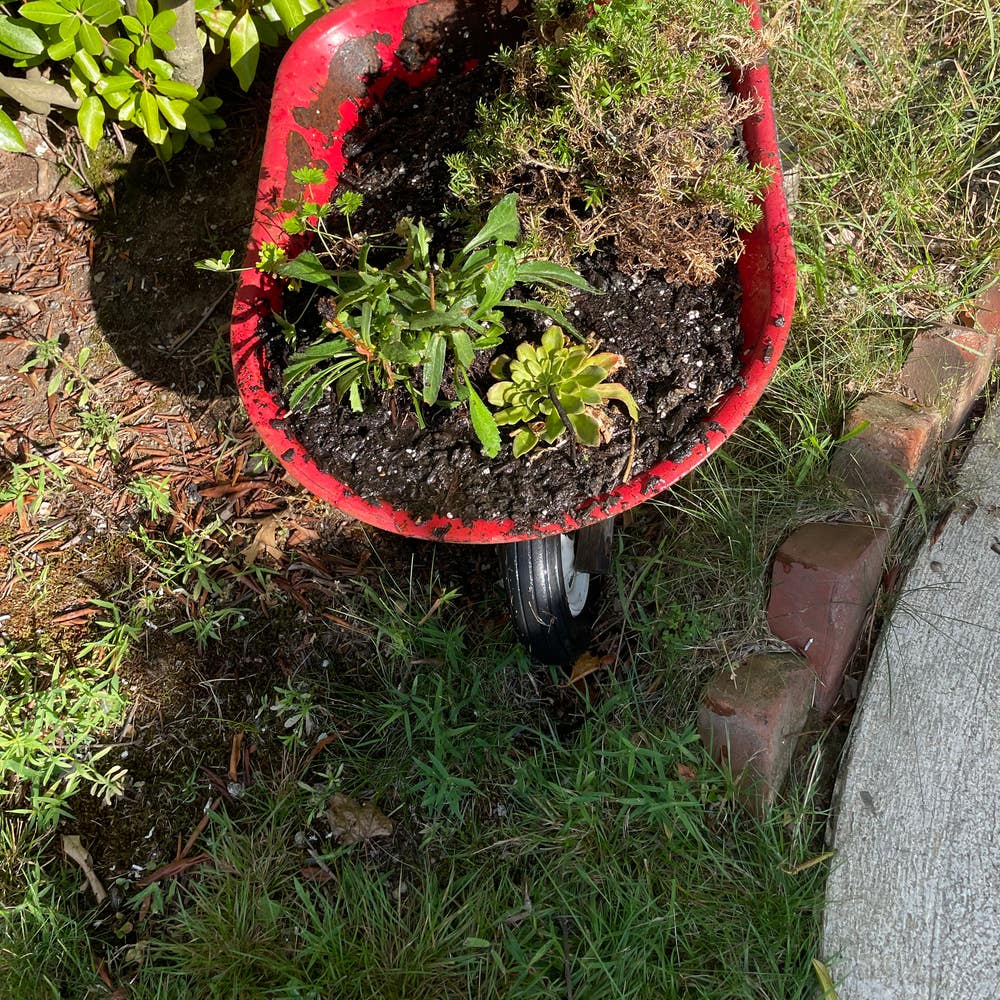
Bitterroot prefers rocky, well-drained soils that allow for proper drainage and root development. It also requires full sun to flourish, making sunny locations essential for optimal growth.
Drought tolerance is another key factor, as Bitterroot can withstand arid conditions. This adaptability makes it suitable for regions that experience limited rainfall.
📊 Comparison of Regions Within Suitable Zones
There’s significant variability in climate and soil across the states where Bitterroot can grow. For instance, higher elevations may offer cooler temperatures, which can benefit the plant's health.
Local geography also plays a crucial role in Bitterroot growth. Microclimates, such as those found in valleys or near water sources, can create unique conditions that enhance the plant's flowering and overall vitality.
Understanding these regional differences is vital for successful cultivation. By recognizing the specific needs of Bitterroot, gardeners can better select the right location for planting.
As we explore the next section, we’ll dive into how microclimates can extend Bitterroot's growing range, revealing even more opportunities for this resilient plant.
Microclimates and Their Effects
🌱 Extending Bitterroot's Growing Range
Microclimates play a crucial role in expanding the growing range of Bitterroot. These localized climate variations can create conditions that allow the plant to thrive outside its typical hardiness zones.
Local conditions, such as temperature fluctuations and moisture levels, significantly impact Bitterroot's survival. Understanding these nuances can lead to successful cultivation even in less-than-ideal environments.
🏞️ Examples of Microclimates
California and Colorado are prime examples of states with unique microclimates that benefit Bitterroot growth. In California, coastal areas may provide milder temperatures, while the mountainous regions of Colorado offer cooler conditions that suit the plant.
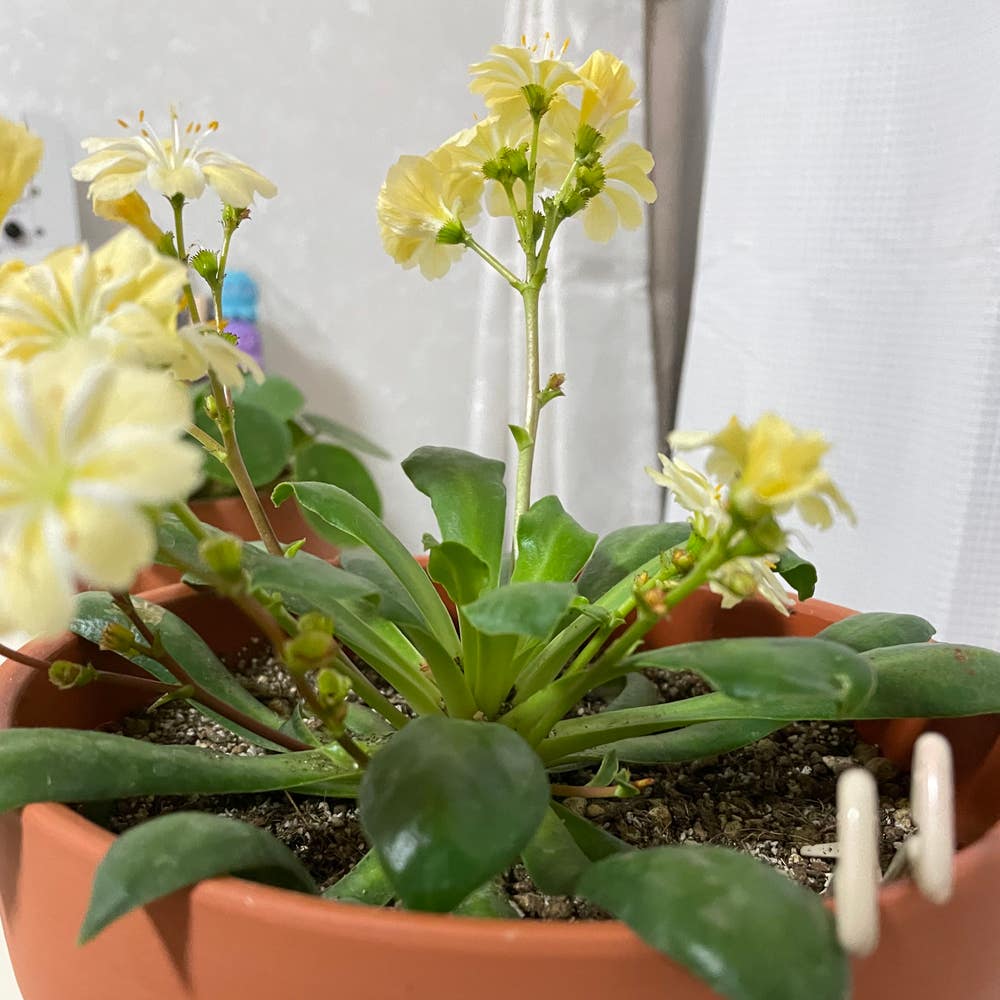
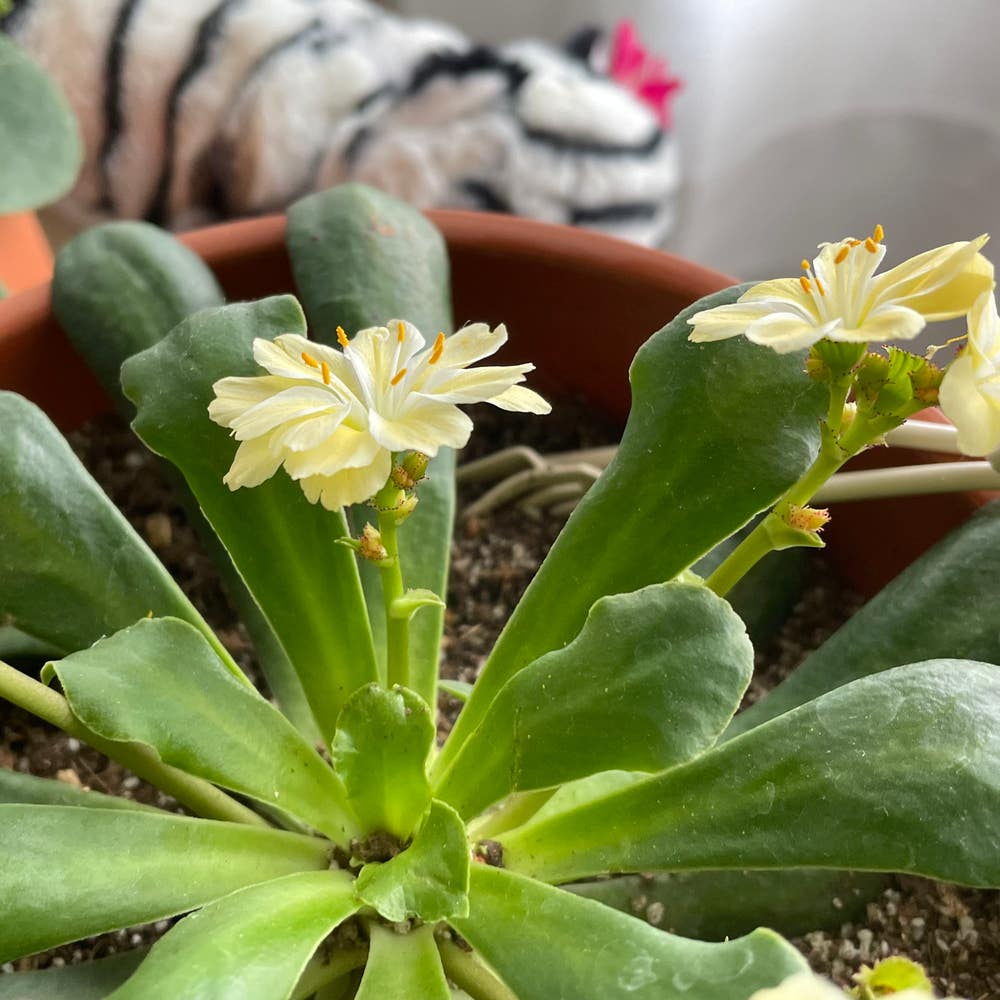
These microclimates can enhance Bitterroot's flowering and overall health. By leveraging specific local conditions, gardeners can cultivate this resilient plant more effectively, ensuring vibrant blooms and robust growth.
As we delve deeper into state-level suitability, understanding these microclimates will be essential for maximizing Bitterroot's potential.
State-Level Suitability Analysis
🌱 Suitable States Within Zones 3a-8b
Bitterroot thrives in several states across the USDA hardiness zones 3a to 8b. Here’s a closer look at some of the best options:
Montana: Known for its rocky soils and ample sunlight, Montana offers the ideal conditions for Bitterroot. The state's varied elevations create microclimates that enhance growth.
Idaho: With its well-drained soils and dry climate, Idaho supports Bitterroot's drought tolerance. The sunny days and cool nights are perfect for flowering.
Washington: Particularly in the eastern regions, Washington provides the right balance of moisture and sunlight. The diverse geography helps create suitable habitats for Bitterroot.
Oregon: Similar to Washington, Oregon's eastern areas boast the right conditions. The combination of well-drained soils and sunny weather promotes healthy growth.
Wyoming: This state offers high elevations and dry conditions, which align well with Bitterroot's preferences. The cooler temperatures in summer help maintain plant health.
❌ Unsuitable States and Reasons
While many states are suitable, some fall outside the Bitterroot's preferred hardiness zones. Here are a few examples:
Florida: The high humidity and warm temperatures are not conducive to Bitterroot growth. The tropical climate poses challenges for this hardy plant.
Texas: Although some areas might seem promising, the extreme heat and humidity in many parts of Texas can hinder Bitterroot's survival.
Louisiana: The consistently warm and humid conditions are far from ideal. Bitterroot struggles in environments that don’t offer the necessary cold tolerance.
🌍 Environmental Factors Affecting Suitability
Understanding local environmental factors is crucial for successful Bitterroot cultivation. Here are key elements to consider:
Soil Type: Bitterroot prefers rocky, well-drained soils. Heavy clay or overly moist conditions can lead to root rot and other issues.
Moisture Levels: These plants thrive in drier conditions. Excess moisture can be detrimental, so it's important to ensure proper drainage.
Climate: Temperature extremes play a significant role. Bitterroot needs a balance of cold winters and warm summers to flourish.
By recognizing these factors, you can better assess whether your location is suitable for growing Bitterroot. This understanding will help you create the best possible environment for this resilient plant.
As we explore the next section, we'll dive deeper into the impact of microclimates and how they can extend Bitterroot's growing range.
⚠️ Safety First
This content is for general information and may contain errors, omissions, or outdated details. It is not medical, veterinary advice, or an endorsement of therapeutic claims.
Always consult a qualified healthcare professional before using any plant as food, medicine, or supplement.
Never eat any plant (or feed one to pets) without confirming its identity with at least two trusted sources.
If you suspect poisoning, call Poison Control (800) 222-1222, the Pet Poison Helpline (800) 213-6680, or your local emergency service immediately.
Spotted an error? Please report it here.
Unlock the secret to thriving Bitterroot 🌼 by using Greg's tailored care reminders and tips to match its unique climate needs for optimal growth!