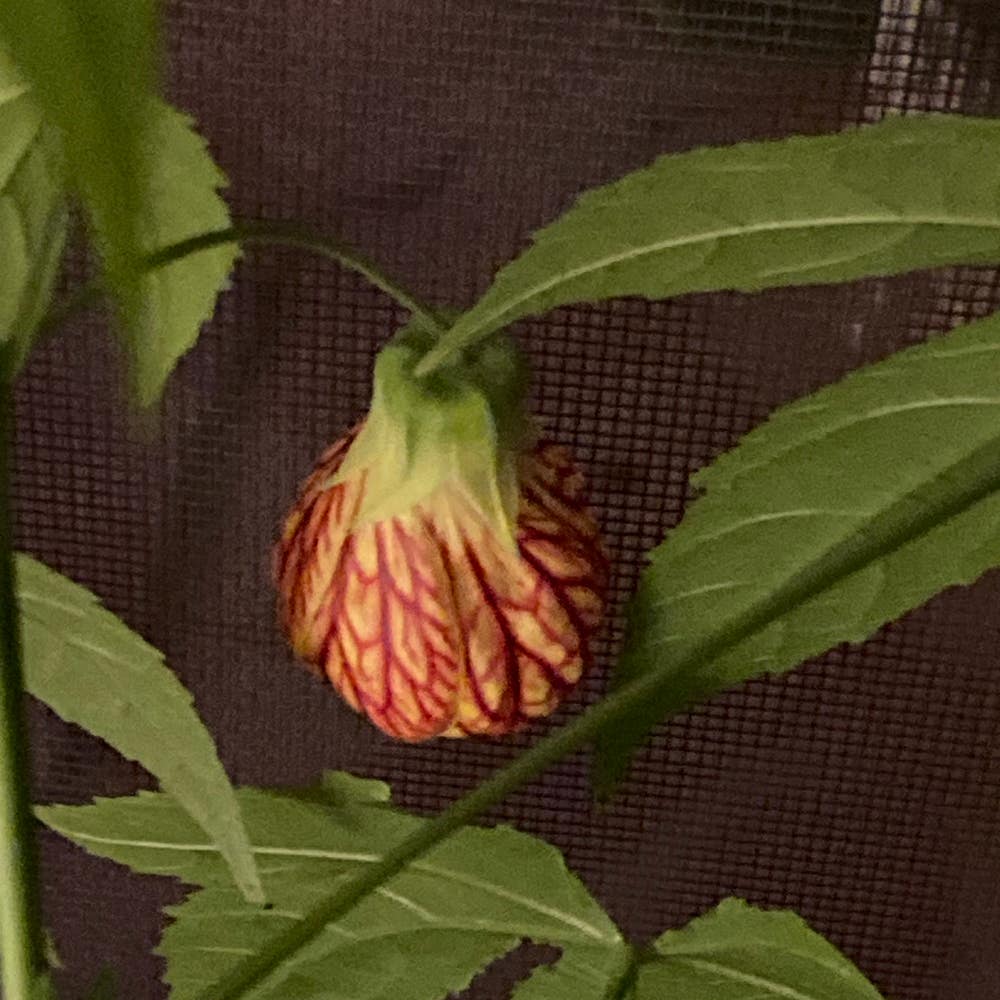
🌼 Where to Plant Your Abutilon
Abutilon hypoleucum
By the Greg Editorial Team
Nov 22, 2024•5 min read
This article was created with the help of AI so we can cover more plants for you. May contain errors. See one? Report it here.
Unlock the secret to vibrant Abutilon blooms 🌺 by mastering their ideal planting conditions and care tips!
- ☀️ Abutilon needs 6-8 hours of sunlight daily for optimal growth and blooms.
- 🌱 Rich, well-draining soil is crucial; amend with compost for best results.
- 🌬️ Protect from wind using natural barriers to ensure healthy growth.
Ideal Planting Locations
☀️ Sunlight Exposure Requirements
Abutilon plants thrive best in full sun to partial shade. Aim for 6-8 hours of direct sunlight daily to encourage robust growth and vibrant blooms.
Insufficient sunlight can lead to stunted growth and fewer flowers. While Abutilon can tolerate dappled sunlight, be aware that flowering may decrease in these conditions.
🌱 Soil Type Preferences
For optimal growth, Abutilon prefers rich, loamy soil. However, these adaptable plants can also thrive in sandy or clay soils if given the right care.
Moisture retention and nutrient availability are crucial for healthy plants. To enhance soil fertility, consider adding compost or well-rotted manure.
🏡 Proximity to Structures and Other Plants
When planting Abutilon, maintain an ideal distance of 2-3 feet from structures. This spacing allows for adequate air circulation and room for growth.
Planting near walls can be beneficial, as reflective heat can promote better growth. Additionally, choose companion plants that complement Abutilon without competing for resources, creating a harmonious garden space.
With the right sunlight, soil, and spacing, your Abutilon will flourish beautifully. Next, let’s explore how to assess the best spot for these stunning plants in your garden.
Assessing the Best Spot
🌳 Evaluating Garden Layout and Design
Planning your garden layout is crucial for the success of your Abutilon. Consider how the placement will enhance both the aesthetics and functionality of your space.
To maximize visual appeal, position your Abutilon where it can be a focal point. This could be near pathways or in prominent garden beds where its vibrant blooms can be appreciated.
Accessibility is another key factor. Ensure that you can easily reach your plants for maintenance, watering, and pruning without hassle.
🌤️ Identifying Microclimates in Your Garden
Microclimates are unique areas within your garden that have distinct climate conditions. Understanding these can significantly impact the health of your Abutilon.
To identify microclimates, observe sunlight patterns, wind exposure, and moisture levels throughout your garden. Noticing where sunlight lingers or where wind is blocked can guide your planting decisions.
Utilizing these microclimates effectively means placing your Abutilon in sheltered areas. This can enhance its growth and flowering potential, leading to a more vibrant display.
🌬️ Considering Wind Protection and Shelter
Wind protection is vital for the health of your Abutilon. Strong winds can damage foliage and flowers, impacting the plant's overall appearance.
Natural windbreaks, such as fences, walls, or even other plants, can provide essential shelter. Strategically placing your Abutilon near these barriers can help it thrive.
When assessing potential locations, choose spots with minimal direct wind exposure. This simple step can make a significant difference in the plant's resilience and beauty.
With these considerations in mind, you’re well on your way to finding the perfect spot for your Abutilon. Next, let’s explore soil and drainage considerations to ensure your plant has the best growing conditions possible.
Soil and Drainage Considerations
🌱 Importance of Well-Draining Soil
Well-draining soil is crucial for the health of your Abutilon. Poor drainage can lead to root rot and other moisture-related issues that can devastate your plant.
Characteristics of well-draining soil include a loose texture, good aeration, and the ability to retain moisture without becoming waterlogged. To ensure your soil meets these criteria, you can test its drainage capabilities with simple methods.
🧪 Soil Amendments for Optimal Growth
To enhance drainage, consider adding organic matter, perlite, or sand to your soil. These amendments can significantly improve the soil structure, making it more conducive to healthy plant growth.
Timing is key when applying these amendments. It's best to incorporate them before planting and continue to monitor and amend the soil during the growing season as needed. Regular checks for compaction and nutrient levels will help maintain optimal soil health.
With the right soil and drainage conditions, your Abutilon will thrive, setting the stage for vibrant blooms and lush foliage. Next, let’s explore common location challenges that can affect your plant's growth.
Common Location Challenges
Addressing Shade vs. Sun Exposure Issues 🌞
Identifying the right balance of sunlight for your Abutilon is crucial. Observe light patterns throughout the day to pinpoint areas that may be too shaded or overly bright.
If you find excessive shade, consider pruning surrounding plants to allow more light in or relocating your Abutilon to a sunnier spot. Conversely, during extreme heat, providing temporary shade can protect your plant from sunburn.
Solutions for Poor Drainage Areas 🚰
Poor drainage can be a significant challenge for Abutilon growth. Look for signs of standing water or overly saturated soil to identify problematic drainage spots.
To remedy these areas, consider using raised beds or amending the soil with materials that enhance drainage. If conditions remain unsuitable, you might need to choose alternative plants that thrive in wet conditions.
Adapting to Changing Environmental Conditions 🌦️
Environmental conditions can shift, impacting your Abutilon's health. Regularly monitor seasonal changes and weather patterns to stay ahead of potential issues.
Be flexible with your planting strategies based on how your Abutilon performs in its current location. Long-term planning is essential; consider future growth and potential location changes to ensure your plant continues to thrive.
⚠️ Safety First
This content is for general information and may contain errors, omissions, or outdated details. It is not medical, veterinary advice, or an endorsement of therapeutic claims.
Always consult a qualified healthcare professional before using any plant as food, medicine, or supplement.
Never eat any plant (or feed one to pets) without confirming its identity with at least two trusted sources.
If you suspect poisoning, call Poison Control (800) 222-1222, the Pet Poison Helpline (800) 213-6680, or your local emergency service immediately.
Spotted an error? Please report it here.
Ensure your Abutilon thrives with optimal sunlight 🌞 and nutrients by using Greg's personalized care tips and reminders for a flourishing garden!