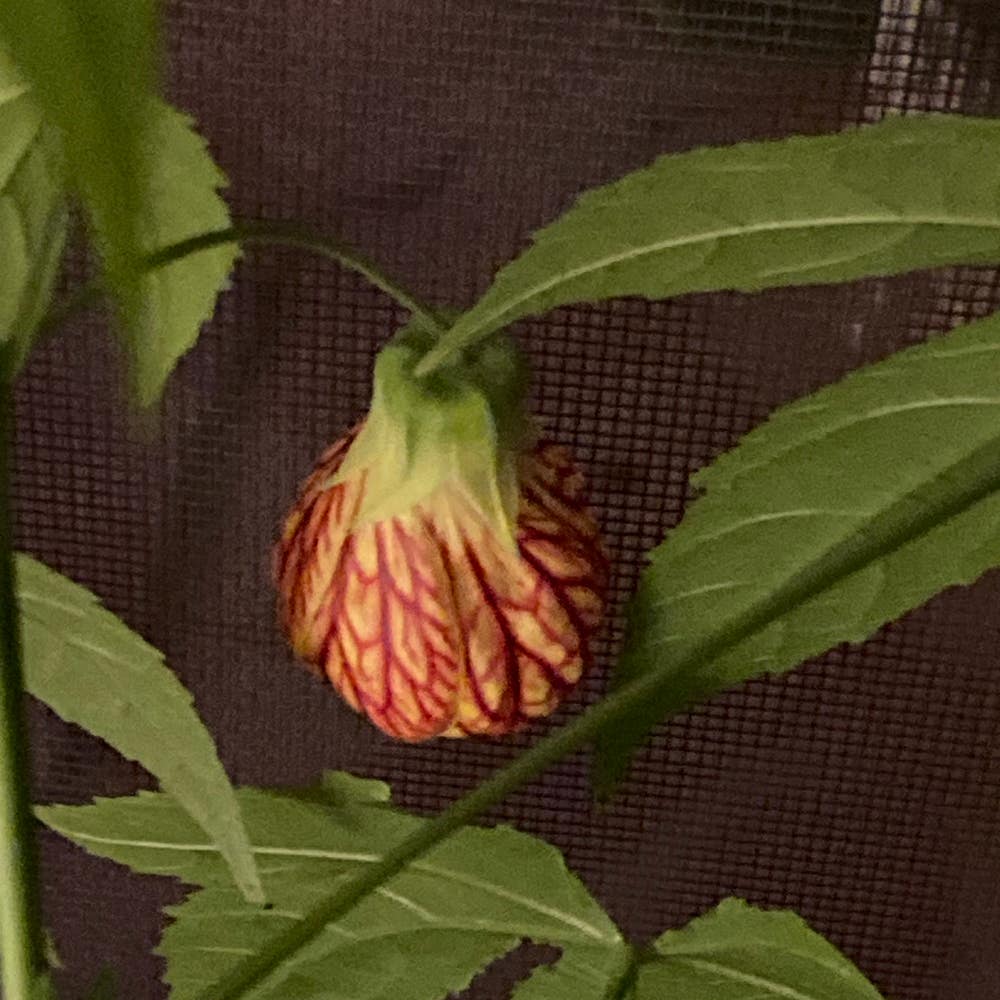
How to Cure Curling Leaves on Your Abutilon 💧
Abutilon hypoleucum
By the Greg Editorial Team
Nov 22, 2024•6 min read
This article was created with the help of AI so we can cover more plants for you. May contain errors. See one? Report it here.
Revive your Abutilon’s curling leaves 🌿 with essential care tips for a thriving, vibrant plant!
- 🌱 Curling leaves indicate issues with watering, light, pests, or nutrients—address them promptly.
- 💧 Water every 1-2 weeks; adjust based on your plant's environment for optimal health.
- 🌞 Abutilon needs 6-8 hours of bright, indirect sunlight daily to thrive and prevent curling.
Diagnosing Curling Leaves
Assessing Watering Practices 🌊
Curling leaves on your Abutilon can often signal issues with watering.
Signs of overwatering include yellowing leaves, soggy soil, and root rot. Conversely, underwatering manifests as dry, crispy leaves and soil pulling away from the pot edges.
To maintain a healthy plant, aim to water every 1-2 weeks, adjusting based on environmental conditions.
Evaluating Light Conditions ☀️
Light exposure is crucial for your Abutilon’s health.
The ideal light requirement is 6-8 hours of bright, indirect sunlight daily. If you notice stretching stems, small leaves, or leaf curl, your plant may not be getting enough light.
Consider moving pots closer to windows or using grow lights to enhance their light exposure.
Checking for Pests and Diseases 🐛
Pests and diseases can wreak havoc on your Abutilon.
Common pests include aphids, spider mites, and whiteflies. Look for signs of infestation such as webbing, sticky residue, or visible insects on the leaves.
Fungal infections can also lead to leaf curl and discoloration, so keep an eye out for any unusual changes.
Nutrient Deficiency Signs 🥦
Nutrient deficiencies can cause significant stress to your plant.
Look for yellowing leaves and stunted growth as indicators of nutrient issues. Key nutrients for Abutilon include nitrogen, phosphorus, potassium, and various micronutrients.
Regular soil testing is essential to ensure your plant receives the nutrients it needs for optimal growth.
By diagnosing these issues early, you can take the necessary steps to restore your Abutilon’s health. Next, let’s explore effective treatment methods for curling leaves.
Treating Curling Leaves
🧴 Step-by-Step Treatment for Overwatering
Overwatering is a common issue that can lead to curling leaves on your Abutilon. Start by assessing the soil moisture using a moisture meter or your finger.
Next, adjust your watering schedule. Allow the soil to dry out between waterings to prevent soggy conditions.
To improve drainage, consider repotting your plant in well-draining soil or adding perlite to the mix. This will help excess water escape and keep the roots healthy.
Finally, monitor your plant's recovery. Look for new growth and improvements in leaf health as signs that your adjustments are working.
💡 Adjusting Light Exposure for Optimal Growth
Light exposure plays a crucial role in the health of your Abutilon. Begin by identifying the current light conditions using a light meter to measure intensity.
If necessary, relocate your plant to a brighter location or adjust your blinds to enhance light exposure.
For areas with insufficient natural light, consider using supplemental lighting, such as LED grow lights, to ensure your plant thrives.
🐛 Pest Control Methods for Abutilon
Pests can wreak havoc on your Abutilon, leading to curling leaves. Explore organic pest control options like neem oil, insecticidal soap, and diatomaceous earth to combat infestations.
Regular monitoring is essential. Conduct checks for pests and signs of damage to catch issues early.
You might also introduce beneficial insects like ladybugs and lacewings, which can help keep pest populations in check naturally.
🌱 Nutrient Supplementation Techniques
Nutrient deficiencies can contribute to leaf curling. Choosing the right fertilizer is key; a balanced NPK fertilizer specifically for Abutilon will provide essential nutrients.
Apply fertilizer every 4-6 weeks during the growing season to support healthy growth.
Watch for signs of improvement, such as new growth and healthier leaf appearance, as indicators that your plant is responding well to the added nutrients.
By addressing these factors—overwatering, light exposure, pests, and nutrients—you can effectively treat and prevent curling leaves on your Abutilon. Next, let's explore how to prevent future leaf curl through best practices in care.
Preventing Future Leaf Curl
🌊 Best Practices for Watering Abutilon
Establishing a consistent watering routine is crucial for your Abutilon. Regularly check moisture levels to ensure your plant is neither overwatered nor underwatered.
Use proper watering techniques by saturating the soil thoroughly until water drains from the bottom. This ensures that the roots receive adequate hydration.
Adjust your watering schedule for seasonal changes. Increase or decrease the frequency based on temperature and humidity levels to keep your plant thriving.
☀️ Ideal Light Conditions for Healthy Growth
Understanding the light requirements of your Abutilon is essential. Different varieties may thrive in full sun or partial shade, so know what your plant needs.
Rotate your plants regularly to ensure even light exposure on all sides. This helps prevent uneven growth and promotes a balanced appearance.
Make seasonal adjustments to light exposure as needed. Modify the placement of your plant to adapt to changing sunlight patterns throughout the year.
🐞 Regular Pest Monitoring and Control
Setting a pest inspection schedule is vital for maintaining plant health. Conduct weekly checks for early signs of infestation to catch problems before they escalate.
Maintain plant hygiene by cleaning leaves and removing any debris. This simple practice can significantly reduce the risk of pest problems.
Utilize preventative measures such as companion planting and natural repellents. These strategies can help deter pests and keep your Abutilon healthy.
🌱 Soil Health and Nutrient Management
The importance of soil quality cannot be overstated. Using a high-quality potting mix specifically designed for Abutilon will provide the best foundation for growth.
Regular soil testing is essential to check pH and nutrient levels annually. This ensures your plant receives the necessary nutrients for optimal health.
Amend your soil by adding compost or organic matter to improve fertility. This enriches the soil and supports robust growth for your Abutilon.
By implementing these preventive measures, you can help ensure your Abutilon remains healthy and vibrant. Next, let’s explore how to adjust care routines based on seasonal changes for even better results.
Seasonal Considerations
Adjusting Care Routines Based on Seasons 🌦️
Caring for your Abutilon requires a seasonal approach to keep it thriving. Each season brings unique challenges and opportunities for your plant.
Winter Care
During winter, your Abutilon needs less water. The cooler temperatures and reduced light mean you should cut back on watering and provide supplemental light to keep it healthy.
Summer Care
In the summer, humidity levels can drop, stressing your plant. Increase humidity around your Abutilon and keep a close eye out for pests, as they tend to thrive in warmer weather.
Fall Preparation
As fall approaches, it's time to prepare your plant for the colder months. Gradually adjust its light exposure and watering schedule to help it acclimate to the dropping temperatures.
By adapting your care routine to the seasons, you can ensure your Abutilon remains vibrant and healthy year-round. This proactive approach not only prevents issues but also enhances your plant's growth and resilience.
⚠️ Safety First
This content is for general information and may contain errors, omissions, or outdated details. It is not medical, veterinary advice, or an endorsement of therapeutic claims.
Always consult a qualified healthcare professional before using any plant as food, medicine, or supplement.
Never eat any plant (or feed one to pets) without confirming its identity with at least two trusted sources.
If you suspect poisoning, call Poison Control (800) 222-1222, the Pet Poison Helpline (800) 213-6680, or your local emergency service immediately.
Spotted an error? Please report it here.
Transform your Abutilon’s curling leaves into lush greenery 🌿 by using Greg’s tailored watering alerts and expert care tips to keep your plant thriving!