🌼 Ultimate Guide to Propagating Abutilon
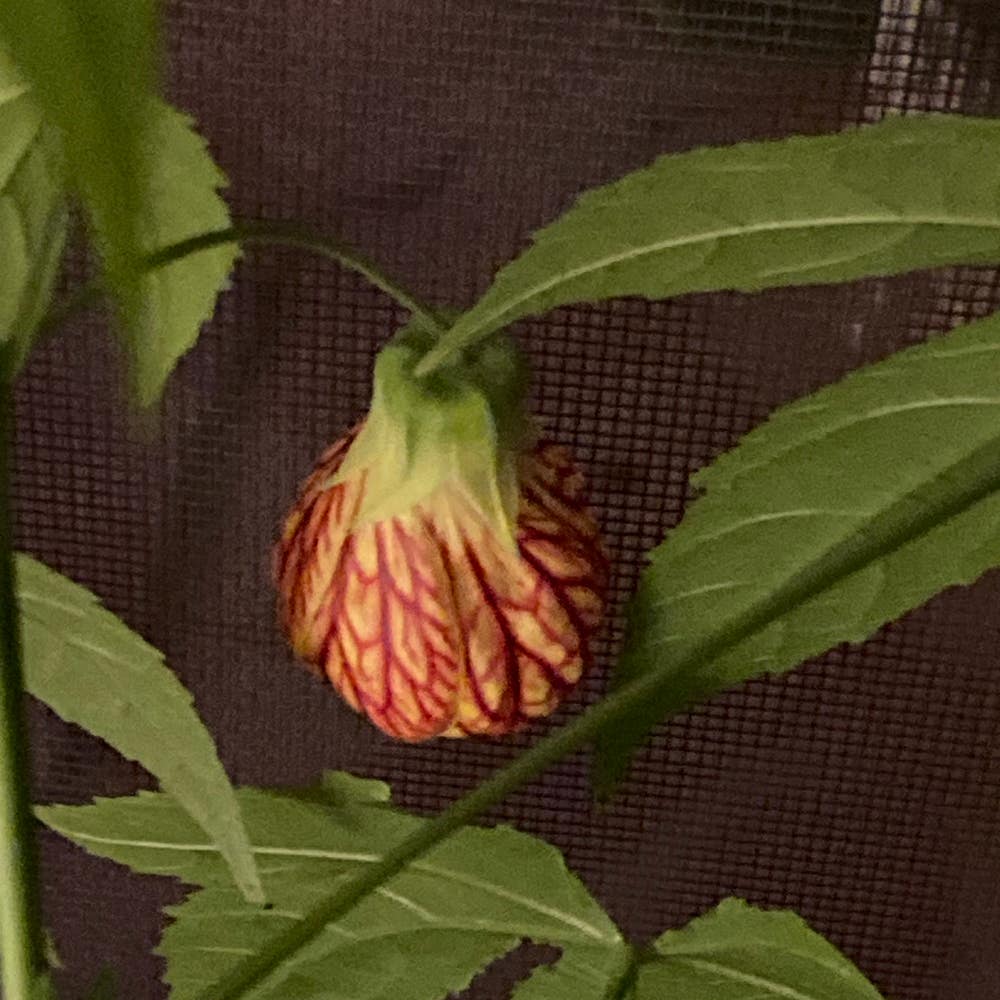
Abutilon hypoleucum
By the Greg Editorial Team
Nov 22, 2024•7 min read
This article was created with the help of AI so we can cover more plants for you. May contain errors. See one? Report it here.
Master Abutilon propagation 🌱 from cuttings to seeds and watch your garden flourish with vibrant blooms! 🌼
- 🌱 Propagate Abutilon from cuttings or seeds using specific techniques for success.
- 🌡️ Maintain 70°F to 75°F and high humidity for optimal rooting conditions.
- 🌞 Bright, indirect light prevents scorching while promoting healthy growth in cuttings.
Propagating Abutilon from Cuttings
🌱 Step-by-step guide for softwood cuttings
To successfully propagate Abutilon from cuttings, start by selecting the right stem. Look for healthy, non-flowering stems from the current season's growth, ideally measuring 4-6 inches in length.
Next, prepare the cutting by removing the lower leaves, leaving just 2-3 leaves at the top. Make your cut just below a node; this increases the chances of successful rooting.
Now it's time to apply rooting hormone. Dip the cut end into the hormone to encourage robust root development.
Finally, plant the cutting in a well-draining potting mix, ensuring the node is buried. Water it lightly to settle the soil around the cutting.
🌡️ Ideal conditions for rooting cuttings
Creating the right environment is crucial for rooting success. Maintain a temperature between 70°F to 75°F (21°C to 24°C) for optimal growth.
Humidity is another key factor. Keep the humidity high by using a plastic bag or humidity dome over the cutting.
Light conditions also matter; provide bright, indirect light to prevent scorching and promote healthy growth.
🌿 Use of rooting hormone
Using rooting hormone can significantly enhance your propagation efforts. It increases the success rates of cuttings and speeds up the rooting process.
There are various types of rooting hormones available, including powder, gel, and liquid forms. Choose the one that suits your preference and get ready to see those roots develop!
By following these steps and ensuring ideal conditions, you'll be well on your way to successfully propagating Abutilon from cuttings. Next, let’s explore how to propagate Abutilon from seeds for even more gardening success!
Propagating Abutilon from Seeds
🌱 Seed collection and preparation
Collecting seeds at the right time is crucial for successful propagation. Wait until the flowers have dried and turned brown before harvesting.
Once collected, clean the seeds thoroughly and let them dry for a few days. This preparation step helps ensure they are ready for planting.
🌊 Germination process
Soaking seeds
To boost germination rates, soak the seeds in water for 24 hours. This simple step helps to soften the seed coat and kickstart the germination process.
Sowing seeds
Next, plant the seeds about 1/4 inch deep in a seed-starting mix. Space them 2-3 inches apart to give each seedling room to grow without crowding.
🌍 Ideal soil and temperature conditions for seed propagation
Using the right soil is essential for healthy seedlings. Opt for a well-draining seed-starting mix that provides good aeration.
Maintain a warm environment between 70°F to 80°F (21°C to 27°C) for optimal germination. This temperature range encourages seeds to sprout and thrive.
🌿 Transplanting seedlings
Timing is everything when it comes to transplanting. Move the seedlings when they have developed 2-3 true leaves, indicating they are ready for a larger space.
Gently lift the seedlings and place them in larger pots filled with well-draining soil. This careful transfer helps them continue to grow strong and healthy.
With these steps, you're well on your way to successfully propagating Abutilon from seeds. Next, let's explore common challenges you might face during this process.
Common Challenges in Abutilon Propagation
🌱 Issues with Rooting Cuttings
Rooting cuttings can sometimes feel like a game of patience, but there are signs that indicate things may not be going as planned. Look out for wilting or yellowing leaves, which can signal stress in your cuttings. Additionally, if you notice a lack of root development after 4-6 weeks, it’s time to troubleshoot.
🚫 Signs of failure in cuttings
- Wilting or yellowing leaves: This often indicates that the cutting is struggling to establish itself.
- Lack of root development: If roots aren’t forming after several weeks, it’s a clear sign that something is off.
🛠️ Solutions for common rooting problems
To improve your chances of success, ensure that humidity levels are adequate. Cuttings thrive in a moist environment, so consider using a humidity dome or plastic bag to maintain moisture.
Next, check your watering practices. Overwatering can drown the cuttings, while underwatering can lead to dehydration. Striking the right balance is crucial.
Lastly, using fresh potting mix can help avoid pathogens that might hinder root growth. A clean start can make all the difference.
🌱 Seed Germination Problems
Seed propagation can also present its own set of challenges. If your seeds aren’t sprouting after 2-4 weeks, it can be frustrating. Additionally, mold growth on the soil surface is a common issue that can derail your efforts.
⚠️ Common issues with seed germination
- Seeds not sprouting: If you’re waiting and waiting with no results, it’s time to reassess your methods.
- Mold growth: This can indicate overly moist conditions or contaminated soil.
🌧️ Tips for improving germination rates
To combat mold, always use sterile soil. This simple step can prevent many problems before they start.
Next, maintain consistent moisture without waterlogging the soil. Seeds need a damp environment, but too much water can suffocate them.
Finally, ensure that your seeds are kept warm and receive adequate light. A cozy environment can significantly boost germination rates.
With these tips in hand, you’re better equipped to tackle the common challenges of propagating Abutilon. Next, we’ll explore advanced propagation techniques that can take your gardening skills to the next level.
Advanced Propagation Techniques
🌬️ Air Layering
Air layering is a fascinating method to propagate Abutilon, allowing you to create new plants while they are still attached to the parent. This technique is particularly useful for producing strong, healthy plants.
Step-by-step guide to air layering Abutilon
Selecting a healthy branch: Start by choosing a flexible, healthy branch that shows good growth. This ensures the best chance of successful rooting.
Preparing the branch: Make a 1-inch cut through the bark, taking care not to cut all the way through. This will encourage roots to form at the cut site.
Applying rooting hormone: Dust the exposed area with rooting hormone. This promotes root development and increases your chances of success.
Wrapping the area: Cover the cut area with moist sphagnum moss and wrap it in plastic wrap. This creates a humid environment that is essential for rooting.
Monitoring growth: Keep the moss moist and check for root development after 4-6 weeks. Once roots are visible, you can cut the branch below the new roots and pot it up.
🌱 Grafting Techniques
Grafting is another advanced propagation technique that can yield impressive results. It allows you to combine desirable traits from two different plants, enhancing their overall vigor.
Benefits of grafting
- Combines desirable traits: Grafting enables you to merge the best characteristics of two plants, such as flower color or growth habit.
- Enhances disease resistance: This technique can also improve the plant's resilience against diseases.
Basic steps for grafting
- Select compatible rootstock and scion: Choose a healthy rootstock and a scion that has the traits you want to propagate.
- Make precise cuts: Carefully cut both the rootstock and scion to create a clean surface for joining.
- Secure with grafting tape: Wrap the graft union with grafting tape to hold everything in place and protect it from moisture loss.
- Monitor for successful union: Keep an eye on the graft to ensure it takes and begins to grow together.
These advanced techniques can significantly enhance your Abutilon propagation efforts. Whether you choose air layering or grafting, you're on your way to cultivating beautiful, resilient plants. Next, let’s explore common challenges you might face during propagation and how to overcome them.
⚠️ Safety First
This content is for general information and may contain errors, omissions, or outdated details. It is not medical, veterinary advice, or an endorsement of therapeutic claims.
Always consult a qualified healthcare professional before using any plant as food, medicine, or supplement.
Never eat any plant (or feed one to pets) without confirming its identity with at least two trusted sources.
If you suspect poisoning, call Poison Control (800) 222-1222, the Pet Poison Helpline (800) 213-6680, or your local emergency service immediately.
Spotted an error? Please report it here.
Propagate your Abutilon successfully 🌿 with Greg's tailored reminders and expert tips that ensure your cuttings and seeds flourish every step of the way!