🌸 Top 4 Signs Your Abutilon Needs Pollination
Abutilon hypoleucum
By the Greg Editorial Team
Nov 22, 2024•5 min read
This article was created with the help of AI so we can cover more plants for you. May contain errors. See one? Report it here.
Transform your garden into a vibrant pollinator haven with Abutilon flowers! 🌼
- 🌼 Abutilon flowers attract bees and butterflies for effective pollination and vibrant gardens.
- 🤝 Hand pollination boosts seed production; timing and technique are key for success.
- 🌱 Create a pollinator-friendly garden with diverse blooms to enhance Abutilon's health.
Flower Structure
Description of Flower Characteristics 🌼
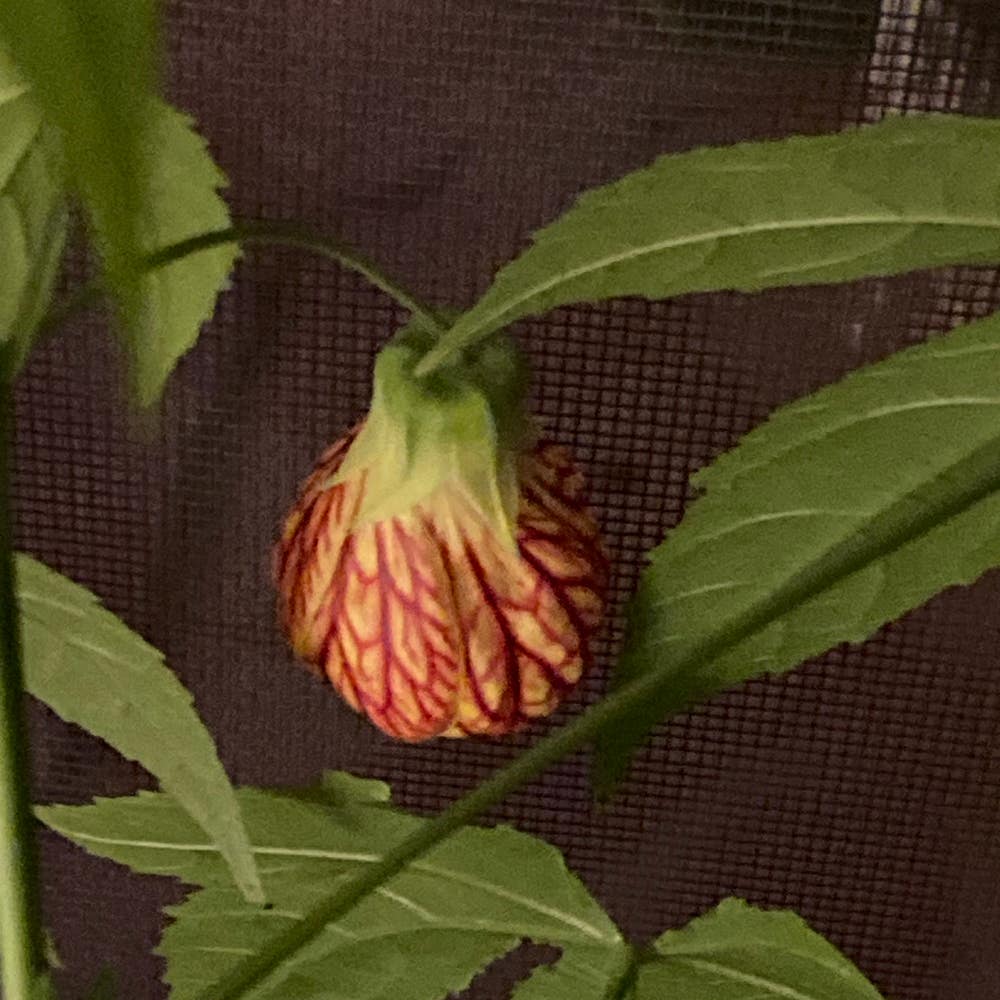
Abutilon flowers are truly captivating. Their bell-shaped blooms resemble lanterns, showcasing bright hues of yellow, orange, and red that can brighten any garden.
Each flower features five distinct petals, with prominent stamens surrounding a central pistil. This unique arrangement not only makes them visually appealing but also plays a crucial role in their reproductive processes.
Role in Pollination 🐝
The structure of Abutilon flowers is designed for efficiency in pollination. Their close proximity of stamens and pistils facilitates self-pollination, allowing the flowers to produce seeds even in the absence of external pollinators.
However, Abutilon also attracts various pollinator species, enhancing the chances of cross-pollination. The vibrant colors and enticing scents draw in bees, butterflies, and hummingbirds, creating a lively ecosystem around these beautiful plants.
Understanding these characteristics can help gardeners appreciate the vital role Abutilon plays in supporting pollinator populations while ensuring their own plants thrive. As we delve deeper into the pollination process, we’ll explore how these flowers can maximize their reproductive success.
Pollination Process
🌼 Self-Pollination Mechanism
Abutilon flowers are designed for self-pollination, thanks to their unique structure. The close proximity of stamens and pistils allows pollen to transfer easily, especially during warm, dry conditions when flowers are fully open.
Self-pollination ensures that even in the absence of pollinators, Abutilon can produce seeds and fruits. However, relying solely on this method may limit genetic diversity, which is why additional pollination methods are beneficial.
🐝 Cross-Pollination Requirements
While self-pollination is effective, cross-pollination can significantly enhance seed and fruit production. Several key pollinator species play a vital role in this process.
- Bees: These industrious insects transfer pollen while foraging for nectar, making them essential for cross-pollination.
- Butterflies: Attracted to the bright colors of Abutilon flowers, butterflies help spread pollen as they flit from bloom to bloom.
- Hummingbirds: Their long bills allow them to access nectar from Abutilon’s tubular flowers, facilitating pollen transfer in the process.
Abutilon effectively attracts these pollinators through its vibrant colors and sweet scents. This floral strategy not only boosts pollination rates but also enriches the garden ecosystem.
Incorporating these insights into your gardening practices can lead to a thriving Abutilon plant, setting the stage for the next section on hand pollination techniques.
Hand Pollination Techniques
Hand pollination can be a rewarding way to ensure your Abutilon plants thrive. Here’s a straightforward guide to help you through the process.
🌸 Step 1: Identifying Male and Female Flower Parts
First, you need to recognize the flower's anatomy. The male parts are the stamens, which produce pollen, while the female part is the pistil, where pollen needs to land for fertilization.
🧪 Step 2: Collecting Pollen
Next, gather pollen from the anthers. A small brush or cotton swab works perfectly for this task, allowing you to collect the fine yellow grains without damaging the flower.
🔄 Step 3: Transferring Pollen
Once you've collected the pollen, it's time to transfer it. Gently apply the pollen to the stigma of the same flower or another flower to encourage fertilization.
⏰ Step 4: Timing for Optimal Results
Timing is crucial for successful hand pollination. Aim to perform this task during peak flowering periods when the flowers are most receptive to pollen.
By following these steps, you can enhance the pollination process for your Abutilon, leading to better seed and fruit production. Now that you’re equipped with hand pollination techniques, let’s explore how to create a pollinator-friendly environment to support these beautiful plants.
Supporting Pollinators
🌼 Creating a Pollinator-Friendly Environment
Designing a garden that attracts pollinators is both rewarding and essential for the health of your plants. Start by planting a diverse array of flowering plants that bloom at different times throughout the year.
This variety ensures that there’s always something in bloom, providing a continuous food source for pollinators. Additionally, consider incorporating water sources and shelter, such as small ponds or bee hotels, to create a welcoming habitat.
🌱 Suggested Companion Plants
Companion planting can significantly enhance your garden's appeal to pollinators. Here are some excellent choices that thrive alongside Abutilon:
- Lavender: Its fragrant blooms attract bees and butterflies, making it a favorite among pollinators.
- Coneflower: This hardy plant provides nectar for various species, ensuring a steady flow of pollinator activity.
- Marigold: Not only does it deter pests, but it also attracts beneficial insects, creating a balanced ecosystem in your garden.
By integrating these plants, you’ll create a vibrant environment that supports pollinators while enhancing the beauty of your garden.
As you cultivate this pollinator-friendly space, remember that every small effort contributes to a larger impact on the ecosystem. Next, let’s explore the common challenges faced in pollination and how to overcome them.
Pollination Challenges
Common Obstacles 🌪️
Pollination can be hindered by various environmental factors. Temperature fluctuations can significantly impact flower viability and pollinator activity, while humidity levels play a crucial role in pollen transfer and germination.
Solutions for Overcoming Challenges 💪
To mitigate these environmental impacts, consider providing shade during extreme heat. Additionally, ensuring consistent watering helps maintain humidity levels, creating a more favorable environment for pollination.
Encouraging a diverse range of pollinators is also essential. Planting a variety of flowering plants and minimizing pesticide use can attract more pollinators to your garden.
Seasonal Variations 🍂
Seasonal changes can greatly affect Abutilon’s flowering and pollination success. Understanding these variations allows gardeners to optimize their pollination efforts throughout the year.
Timing is key; knowing when to plant and when to expect blooms can enhance your chances of successful pollination. By adapting your gardening practices to the seasons, you can support your Abutilon and its pollinators more effectively.
With these strategies in mind, you can create an environment that fosters successful pollination, ensuring your Abutilon thrives. Next, let’s explore how to support pollinators in your garden.
⚠️ Safety First
This content is for general information and may contain errors, omissions, or outdated details. It is not medical, veterinary advice, or an endorsement of therapeutic claims.
Always consult a qualified healthcare professional before using any plant as food, medicine, or supplement.
Never eat any plant (or feed one to pets) without confirming its identity with at least two trusted sources.
If you suspect poisoning, call Poison Control (800) 222-1222, the Pet Poison Helpline (800) 213-6680, or your local emergency service immediately.
Spotted an error? Please report it here.
Boost your Abutilon's growth and attract pollinators 🐝 by using Greg's tailored reminders and tips for effective hand pollination from this guide!