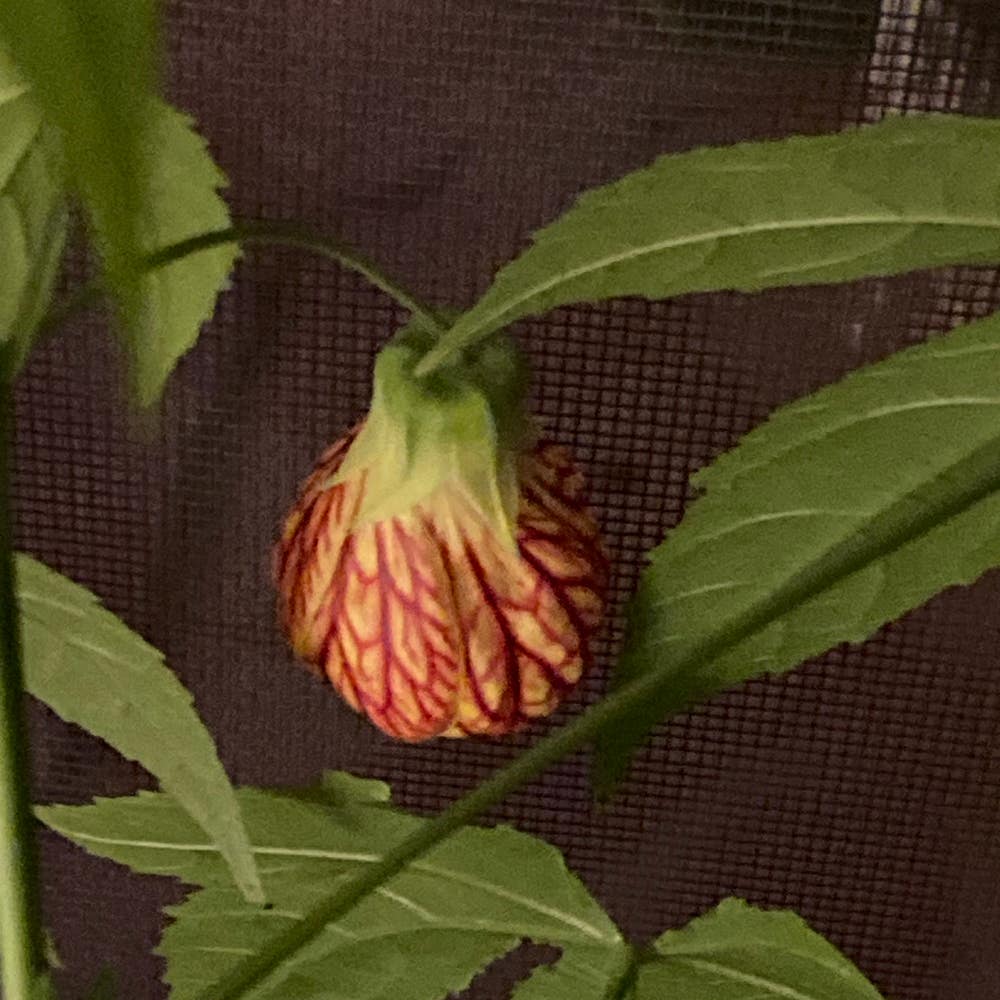
Fertilizing Abutilon to Double Its Growth 💧
Abutilon hypoleucum
By the Greg Editorial Team
Nov 22, 2024•5 min read
This article was created with the help of AI so we can cover more plants for you. May contain errors. See one? Report it here.
Master the art of fertilization 🌱 to unlock vibrant Abutilon blooms and ensure your plant thrives beautifully! 🌼
- 🌱 Choose between organic or synthetic fertilizers for optimal Abutilon growth.
- 📅 Fertilize every 4-6 weeks during the growing season for best results.
- ⚠️ Watch for signs of over-fertilization like leaf burn to maintain plant health.
Types of Fertilizers Suitable for Abutilon
🌱 Organic vs. Synthetic Fertilizers
When it comes to fertilizing Abutilon, you have two main options: organic and synthetic fertilizers.
Organic fertilizers include compost, well-rotted manure, and fish emulsion. They enrich the soil naturally and improve its structure, promoting healthy microbial activity.
Synthetic fertilizers, on the other hand, come in granular and liquid forms. They provide a quick nutrient boost but can lead to nutrient imbalances if not used carefully.
Each type has its pros and cons. Organic fertilizers are gentle and sustainable but may release nutrients slowly. Synthetic options offer immediate results but can harm soil health if overused.
📊 Recommended NPK Ratios
For optimal growth, Abutilon thrives on specific NPK ratios. The ideal ratios are 10-10-10 or 5-10-10, which provide a balanced nutrient supply.
Understanding NPK is crucial:
- N (Nitrogen) supports leafy growth.
- P (Phosphorus) enhances root development and blooming.
- K (Potassium) strengthens overall plant health.
Adjusting these ratios based on the plant's growth stage is essential. For instance, during the flowering phase, a higher phosphorus ratio can encourage more blooms.
With the right fertilizer type and NPK ratio, your Abutilon will flourish beautifully. Next, let’s explore how to apply these fertilizers effectively for maximum growth.
How to Apply Fertilizer to Abutilon
🌱 Best Methods for Application
When it comes to fertilizing your Abutilon, there are three effective methods to consider.
Top-dressing involves spreading granular fertilizers directly on the soil surface, allowing nutrients to gradually seep into the soil with watering.
Liquid fertilization requires diluting liquid fertilizers and applying them directly to the soil, providing a quick nutrient boost.
Lastly, foliar feeding is a technique where you spray diluted liquid fertilizer onto the leaves, ensuring rapid absorption for immediate benefits.
⏰ Timing and Frequency of Fertilization
Establishing a fertilization schedule is crucial for healthy growth. Generally, you should fertilize every 4-6 weeks during the growing season to keep your Abutilon thriving.
However, be prepared to adjust this frequency based on the plant's growth stage and environmental conditions.
Monitoring your plant's response to fertilization is essential; it helps you fine-tune your approach for optimal results.
With these methods and timing in mind, you can ensure your Abutilon receives the nutrients it needs to flourish.
Next, let’s explore the signs of over-fertilization and how to address them effectively.
Signs of Over-Fertilization in Abutilon
Symptoms to Watch For 🌱
Over-fertilization can be a sneaky issue for your Abutilon. One of the first signs is leaf burn, where the tips and edges of leaves turn brown, indicating nutrient overload.
Another red flag is stunted growth. If your plant isn't producing new growth despite regular fertilization, it might be overwhelmed by too many nutrients.
Lastly, keep an eye on reduced blooming. If your Abutilon is producing fewer flowers or smaller blooms than expected, it could be a sign that it's struggling with excess fertilizer.
How to Remedy Over-Fertilization 🛠️
If you suspect over-fertilization, take immediate action by flushing the soil. This involves watering the plant thoroughly to dilute the excess nutrients and help restore balance.
Next, consider adjusting your fertilization schedule. Reduce both the frequency and concentration of fertilizer to allow your plant to recover.
Finally, monitor recovery closely. Observe how your Abutilon responds after making these changes, ensuring it returns to its vibrant self.
By recognizing these signs and taking swift action, you can help your Abutilon thrive again. Now, let's explore the seasonal fertilization guide to keep your plant flourishing throughout the year.
Seasonal Fertilization Guide for Abutilon
🌱 Spring Fertilization Tips
As spring arrives, it's time to kickstart your Abutilon's growth. Begin fertilizing as soon as you notice new growth emerging.
For this initial boost, opt for balanced fertilizers that provide essential nutrients. These fertilizers support the plant's early development and set the stage for a vibrant growing season.
Don't overlook the importance of soil amendments. Enhancing soil quality improves nutrient uptake, ensuring your Abutilon thrives.
☀️ Summer Growth Boosting
During the summer, your Abutilon will have increased nutrient needs. This is the peak growth period, so plan for a higher frequency of fertilization.
Liquid fertilizers are ideal during this time, as they allow for rapid absorption. Keep a close eye on your plant's response to adjust your fertilization schedule as needed.
🍂 Fall and Winter Considerations
As the seasons change, it's crucial to adapt your fertilization strategy. Transition to fertilizing every 6-8 weeks to accommodate your plant's slowing growth.
Choose lower nitrogen fertilizers to prepare your Abutilon for dormancy. This helps the plant conserve energy while maintaining essential nutrients in the soil.
Finally, remember to maintain soil health. Ensuring adequate nutrients now will set your Abutilon up for a strong start come spring.
With these seasonal tips, you can nurture your Abutilon effectively, leading to lush growth and beautiful blooms throughout the year.
Common Mistakes in Fertilizing Abutilon
Misunderstanding Nutrient Needs 🌱
One of the most common pitfalls in fertilizing Abutilon is over-fertilization. Applying too much fertilizer too frequently can lead to nutrient burn, which damages the plant and stunts its growth.
Conversely, under-fertilization is equally detrimental. Failing to meet the nutrient requirements can result in weak, lackluster plants that struggle to thrive.
Ignoring Soil Quality 🏺
Soil quality plays a crucial role in the health of your Abutilon. Well-draining soil is essential to prevent root rot and nutrient lockout, ensuring that your plant can absorb the nutrients it needs.
Regular soil testing is a smart practice. Assessing nutrient levels and pH helps you make informed decisions about fertilization, allowing you to tailor your approach to your plant's specific needs.
Incorporating soil amendments can significantly enhance soil structure and nutrient availability. This simple step can make a world of difference in your Abutilon's growth and overall health.
By avoiding these common mistakes, you'll set your Abutilon up for success. Next, let's explore the seasonal fertilization guide to optimize your plant's growth throughout the year.
⚠️ Safety First
This content is for general information and may contain errors, omissions, or outdated details. It is not medical, veterinary advice, or an endorsement of therapeutic claims.
Always consult a qualified healthcare professional before using any plant as food, medicine, or supplement.
Never eat any plant (or feed one to pets) without confirming its identity with at least two trusted sources.
If you suspect poisoning, call Poison Control (800) 222-1222, the Pet Poison Helpline (800) 213-6680, or your local emergency service immediately.
Spotted an error? Please report it here.
Unlock your Abutilon's full blooming potential 🌼 by using Greg's tailored fertilization reminders and expert tips to keep your plant thriving all year round!