🌺 6 Tips for Growing Abutilon
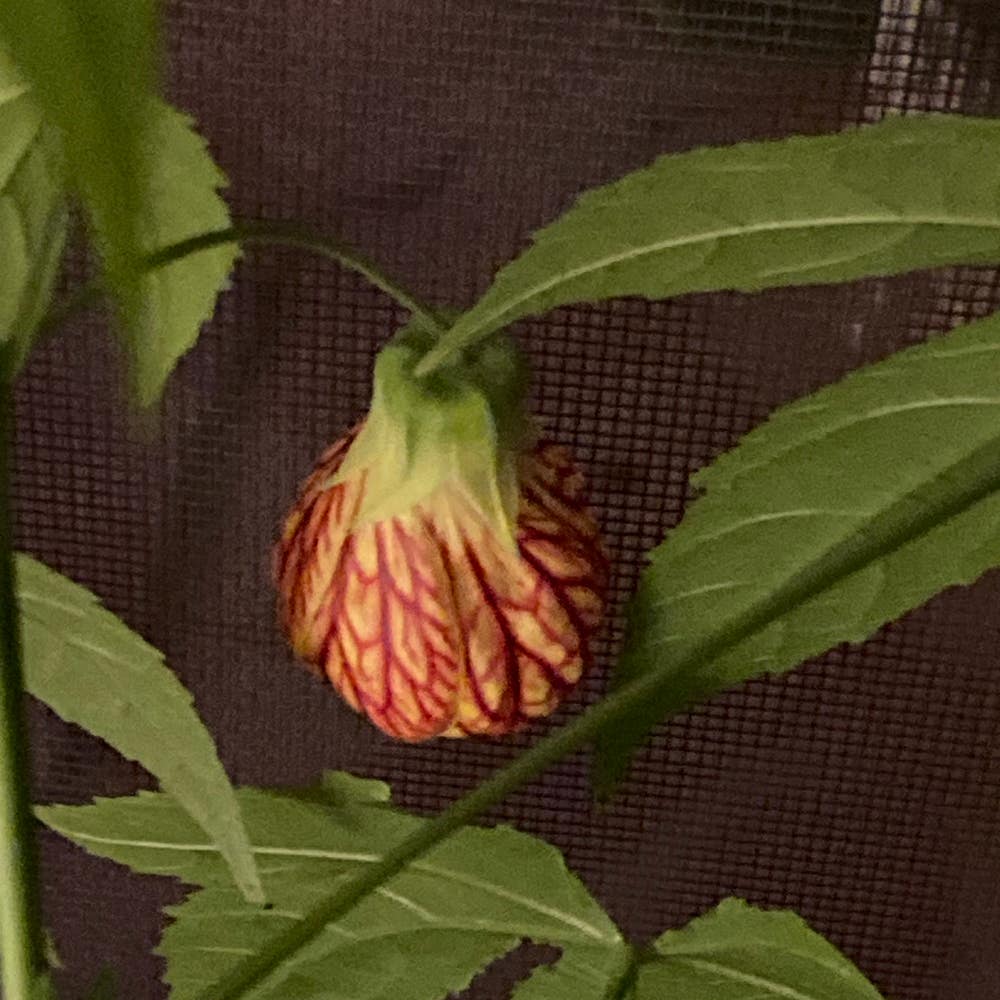
Abutilon hypoleucum
By the Greg Editorial Team
Nov 22, 2024•6 min read
This article was created with the help of AI so we can cover more plants for you. May contain errors. See one? Report it here.
Unlock vibrant Abutilon blooms 🌸 with essential planting and care tips for a thriving garden!
- 🌞 Abutilon needs 6-8 hours of sunlight daily for optimal growth and health.
- 🌬️ Sheltered locations protect Abutilon from harsh winds and frost, enhancing vitality.
- 🌱 Well-draining, fertile soil with pH 6.0-7.0 is essential for nutrient absorption.
Site Selection and Soil Preparation
Choosing the Right Location 🌞
Selecting the perfect spot for your Abutilon is crucial. These plants thrive in full sun to partial shade, requiring about 6-8 hours of sunlight daily.
To ensure robust growth, place them in sheltered areas that protect against harsh winds and frost. This simple step can make a significant difference in their overall health.
Soil Type and Preparation for Optimal Growth 🌱
Abutilon prefers well-draining, fertile soil enriched with organic matter. This type of soil not only supports healthy growth but also enhances nutrient availability.
Aim for a soil pH that is slightly acidic to neutral, ideally between 6.0 and 7.0. This balance helps your plants absorb nutrients effectively.
Importance of Drainage and pH Levels 🚰
Good drainage is essential for preventing root rot, which can be detrimental to your Abutilon. Proper drainage promotes healthy root development and overall plant vitality.
Testing your soil's pH is a straightforward process. You can use home testing kits or send samples to a lab, and if adjustments are needed, simple amendments can help achieve the ideal pH levels.
With the right location and soil conditions, your Abutilon will be set for success. Next, let’s dive into the planting process to ensure your plants are positioned perfectly for growth.
Planting
Step-by-Step Planting Instructions 🌱
Planting Abutilon is straightforward and rewarding. Start by preparing your planting site or container to ensure a healthy environment for your new plant.
- Prepare the planting site or container. Clear any weeds or debris to give your Abutilon a clean start.
- Dig a hole twice the width of the root ball. This allows the roots to spread easily and establishes a strong foundation.
- Place the plant in the hole. Ensure the top of the root ball is level with the soil surface for optimal growth.
- Backfill with soil and water thoroughly. This step helps eliminate air pockets and provides the moisture needed for your plant to thrive.
Best Practices for Container vs. Outdoor Planting 🏡
When it comes to planting, the approach can differ based on whether you’re using containers or planting outdoors.
- Container gardening: Choose a pot that is at least 12 inches in diameter with drainage holes to prevent waterlogging.
- Outdoor planting: Space your Abutilon shrubs 2-3 feet apart to allow for their natural growth and air circulation.
Spacing and Depth Considerations 📏
Proper spacing and depth are crucial for your Abutilon’s health.
- Recommended planting depth: Ensure the depth matches that of the nursery pot to avoid stress on the roots.
- Spacing for air circulation and growth: Adequate space prevents overcrowding, which can lead to disease and stunted growth.
With these planting tips, your Abutilon will have the best chance to flourish. Next, let’s explore how to care for your plant through watering and fertilizing.
Watering and Fertilizing
Watering Frequency and Techniques 🌊
Maintaining the right moisture level is crucial for Abutilon. Aim to keep the soil consistently moist but avoid sogginess, as this can lead to root rot.
Deep watering is an effective technique to encourage robust root growth. This method allows water to penetrate deeply into the soil, promoting a strong foundation for your plant.
Recommended Fertilizers and Feeding Schedule 🌱
Using a balanced liquid fertilizer during the growing season can significantly boost your Abutilon's health. This type of fertilizer provides essential nutrients that support vibrant growth and flowering.
Feed your plants monthly during their active growth period, which typically spans spring and summer. This regular feeding schedule ensures they receive the nourishment they need to thrive.
Signs of Overwatering or Underwatering 🚰
It's essential to recognize the signs of overwatering, which include yellowing leaves and symptoms of root rot. If you notice these issues, it may be time to adjust your watering routine.
On the flip side, underwatering can lead to wilting, dry leaf edges, and stunted growth. Keeping an eye on your plant's condition will help you maintain the right balance for optimal health.
With proper watering and fertilizing practices, your Abutilon will flourish beautifully. Next, let’s explore the importance of pruning and maintenance to keep your plant in top shape.
Pruning and Maintenance
When and How to Prune 🌿
Pruning is essential for maintaining the health and appearance of your Abutilon. The best time to prune is late winter or early spring, just before new growth begins.
Use clean, sharp pruning shears to remove any dead or damaged branches. This not only improves the plant's aesthetics but also encourages robust growth.
Importance of Deadheading and Shaping 🌸
Deadheading is a simple yet effective practice that promotes more blooms and extends the flowering period. By removing spent flowers, you redirect the plant's energy toward producing new blossoms.
Shaping your Abutilon helps maintain its desired size and form. Regular shaping ensures your plant remains visually appealing and fits well within your garden space.
Ongoing Care Routine for Healthy Growth 🧑🌾
Regular inspections for pests and diseases are crucial for keeping your Abutilon thriving. Look for signs of trouble, such as discoloration or unusual growth patterns.
Adjust your care routine based on seasonal changes. For instance, reduce watering in winter when the plant's growth slows down, ensuring it remains healthy year-round.
With proper pruning and maintenance, your Abutilon will flourish, providing vibrant blooms and lush foliage. Next, let’s explore common challenges you might face and how to tackle them effectively.
Common Challenges and Solutions
🐛 Identifying and Managing Pests and Diseases
Abutilon plants can attract a few common pests, including aphids, spider mites, and whiteflies. To manage these nuisances, consider using organic insecticides, neem oil, or introducing beneficial insects that prey on these pests.
🛠️ Troubleshooting Common Growth Issues
Yellowing leaves can signal nutrient deficiencies or improper watering. Address these issues by adjusting your fertilization routine or checking your watering habits.
Stunted growth may indicate root problems or environmental stressors. Investigate the plant's root system and surrounding conditions to identify potential causes.
🌱 Seasonal Care Adjustments
During winter, protect your Abutilon from frost and cold temperatures. Use mulch or cover the plants to shield them from harsh conditions.
In summer, increase watering and fertilization to support peak growth. This ensures your plants remain vibrant and healthy throughout the growing season.
With these tips, you can tackle common challenges and keep your Abutilon thriving. Next, let’s explore the essential aspects of pruning and maintenance for optimal growth.
⚠️ Safety First
This content is for general information and may contain errors, omissions, or outdated details. It is not medical, veterinary advice, or an endorsement of therapeutic claims.
Always consult a qualified healthcare professional before using any plant as food, medicine, or supplement.
Never eat any plant (or feed one to pets) without confirming its identity with at least two trusted sources.
If you suspect poisoning, call Poison Control (800) 222-1222, the Pet Poison Helpline (800) 213-6680, or your local emergency service immediately.
Spotted an error? Please report it here.
Grow your Abutilon vibrantly 🌼 with Greg's tailored care tips and watering reminders that ensure your plants thrive in sunlight and soil!