✂️ Ultimate Guide to Pruning Abutilon
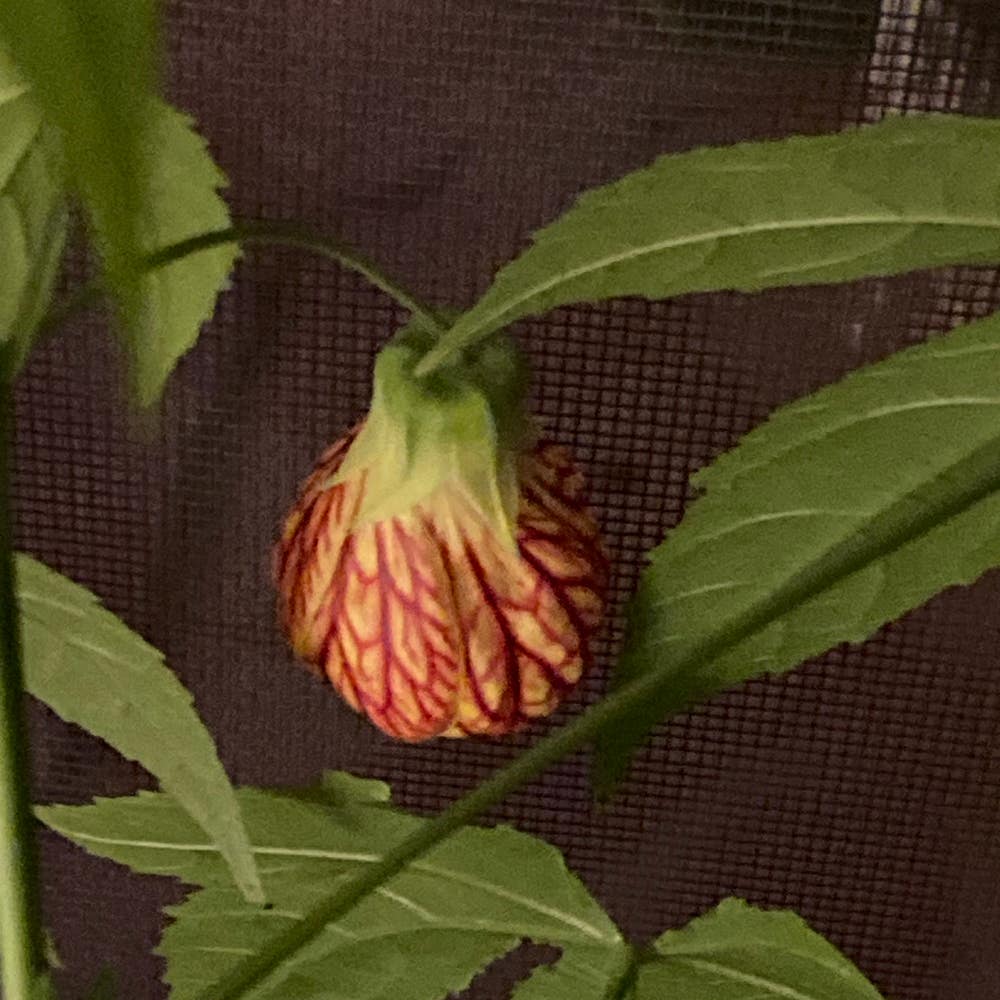
Abutilon hypoleucum
By the Greg Editorial Team
Nov 22, 2024•5 min read
This article was created with the help of AI so we can cover more plants for you. May contain errors. See one? Report it here.
Unlock your Abutilon's full potential 🌱 with essential pruning techniques for vibrant blooms and healthy growth!
- ✂️ Pruning Abutilon involves shaping, thinning, and rejuvenation for optimal growth.
- 🌼 Best time to prune is spring for shaping and fall for rejuvenation.
- 🌱 Signs of needed pruning include overgrowth and reduced flowering.
Pruning Techniques
🌳 Types of Pruning
Shaping
Shaping is essential for maintaining a desirable size and form of your Abutilon. By selectively pruning the outer branches, you can encourage a bushier appearance that enhances the plant's overall aesthetic.
Thinning
Thinning focuses on improving air circulation and light penetration within the plant. This technique involves removing crowded or crossing branches, which helps prevent disease and promotes healthier growth.
Rejuvenation
Rejuvenation is a vital technique for revitalizing older Abutilon plants. This involves cutting back the plant to the ground or to a few strong stems, stimulating new growth and ensuring the plant remains vibrant.
🛠️ Tools Needed
To effectively prune your Abutilon, you'll need the right tools:
- Pruning shears: Ideal for making clean cuts on small branches.
- Loppers: Useful for thicker branches that require more leverage.
- Hand saw: Necessary for larger stems or branches.
- Gloves: Protect your hands from sap and sharp edges.
- Disinfectant: Essential for cleaning tools and preventing disease spread.
📋 Step-by-Step Pruning Instructions
Follow these steps for effective pruning:
- Assess the plant's shape and health before starting.
- Remove any dead or diseased branches first to promote overall health.
- Thin out crowded areas by cutting back branches to their point of origin.
- Shape the plant by trimming overgrown areas for a balanced appearance.
- For rejuvenation, cut back to 6-12 inches above the ground, depending on the plant's size.
With these techniques and tools, you'll be well-equipped to keep your Abutilon healthy and thriving. Next, let’s explore the best timing for pruning to maximize your efforts.
Timing for Pruning
Best Seasons for Pruning 🌱
Timing is everything when it comes to pruning your Abutilon.
- Spring is the prime season for shaping and thinning. This is when you want to get in there before new growth kicks off, ensuring your plant has the best chance to flourish.
- Fall is perfect for rejuvenation pruning. After the flowering has wrapped up, it’s time to cut back and prepare your plant for the next cycle.
Signs That Pruning is Needed 🔍
Knowing when to prune can make all the difference in your plant's health.
- An overgrown appearance is a clear indicator. If branches are crossing or crowding, it’s time to take action.
- Reduced flowering is another sign. If you notice fewer blooms than in previous seasons, your plant might need some attention.
- Look out for dead or diseased branches. Visible signs of damage or decay are not just unsightly; they can also harm the overall health of your Abutilon.
Recognizing these signs early can help you maintain a vibrant and healthy plant. Now that you know when to prune, let’s dive into the next essential aspect: deadheading!
Deadheading
Importance of Deadheading 🌼
Deadheading is essential for keeping your Abutilon blooming beautifully. By removing spent flowers, you prevent the plant from wasting energy on seed production, allowing it to focus on producing more vibrant blooms.
Additionally, deadheading enhances the overall aesthetics of your plant. It keeps your garden looking tidy and encourages a more lush and colorful display.
Step-by-Step Deadheading Instructions ✂️
- Start by identifying the spent flowers that have wilted or turned brown.
- Grab your clean pruning shears and cut the flower stem back to the first set of healthy leaves.
- Dispose of the removed flowers properly to prevent any pests or diseases from taking hold.
Frequency of Deadheading 📅
To maximize your Abutilon's flowering potential, aim to deadhead every 1-2 weeks during the active growing season. This regular attention will keep your plant thriving and looking its best.
By incorporating deadheading into your routine, you not only promote continuous blooming but also foster a healthier plant overall. Now that you understand the importance and technique of deadheading, let’s explore common pruning mistakes to avoid.
Common Pruning Mistakes
✂️ Over-Pruning and Its Effects
Over-pruning can be a gardener's worst nightmare. It often leads to stress for the plant, resulting in reduced flowering and stunted growth.
To avoid this pitfall, always assess the plant's health before deciding how much to prune. A little caution goes a long way in maintaining your Abutilon's vitality.
⏰ Not Pruning at the Right Time
Timing is everything in gardening, and pruning is no exception. Pruning too late in the season can remove buds, which ultimately reduces flowering potential.
To prevent this mistake, follow seasonal guidelines for optimal timing. Spring and fall are your best friends when it comes to pruning Abutilon.
🔍 Misidentifying Branches to Prune
Identifying which branches to prune can be tricky. Removing healthy branches can harm the plant's structure and overall health.
Familiarize yourself with the plant's growth habits and structure. This knowledge will empower you to make informed decisions and keep your Abutilon thriving.
Understanding these common pruning mistakes will help you become a more confident gardener. With the right approach, your Abutilon can flourish beautifully.
Post-Pruning Care
🌱 Aftercare for Pruned Abutilon
Once you've pruned your Abutilon, proper aftercare is essential for its recovery and continued growth. Start with watering; ensure the plant receives adequate moisture without the risk of overwatering.
💧 Watering Tips
Water your Abutilon deeply but infrequently, allowing the top inch of soil to dry out between waterings. This approach encourages strong root development and prevents root rot.
🌿 Mulching Benefits
Next, consider applying a layer of mulch around the base of the plant. Mulch helps retain soil moisture, suppress weeds, and regulate soil temperature, creating a healthier environment for your Abutilon.
👀 Monitoring Growth
Keep an eye on your plant's progress in the weeks following pruning. Look for new growth and signs of recovery, which indicate that your aftercare is on point.
💭 Final Thoughts
With the right aftercare, your pruned Abutilon will thrive and reward you with vibrant blooms. Transitioning from pruning to nurturing is key to maintaining a flourishing garden.
⚠️ Safety First
This content is for general information and may contain errors, omissions, or outdated details. It is not medical, veterinary advice, or an endorsement of therapeutic claims.
Always consult a qualified healthcare professional before using any plant as food, medicine, or supplement.
Never eat any plant (or feed one to pets) without confirming its identity with at least two trusted sources.
If you suspect poisoning, call Poison Control (800) 222-1222, the Pet Poison Helpline (800) 213-6680, or your local emergency service immediately.
Spotted an error? Please report it here.
Prune your Abutilon like a pro 🌿 with Greg's tailored tips and reminders, ensuring vibrant blooms and a thriving garden all season long!