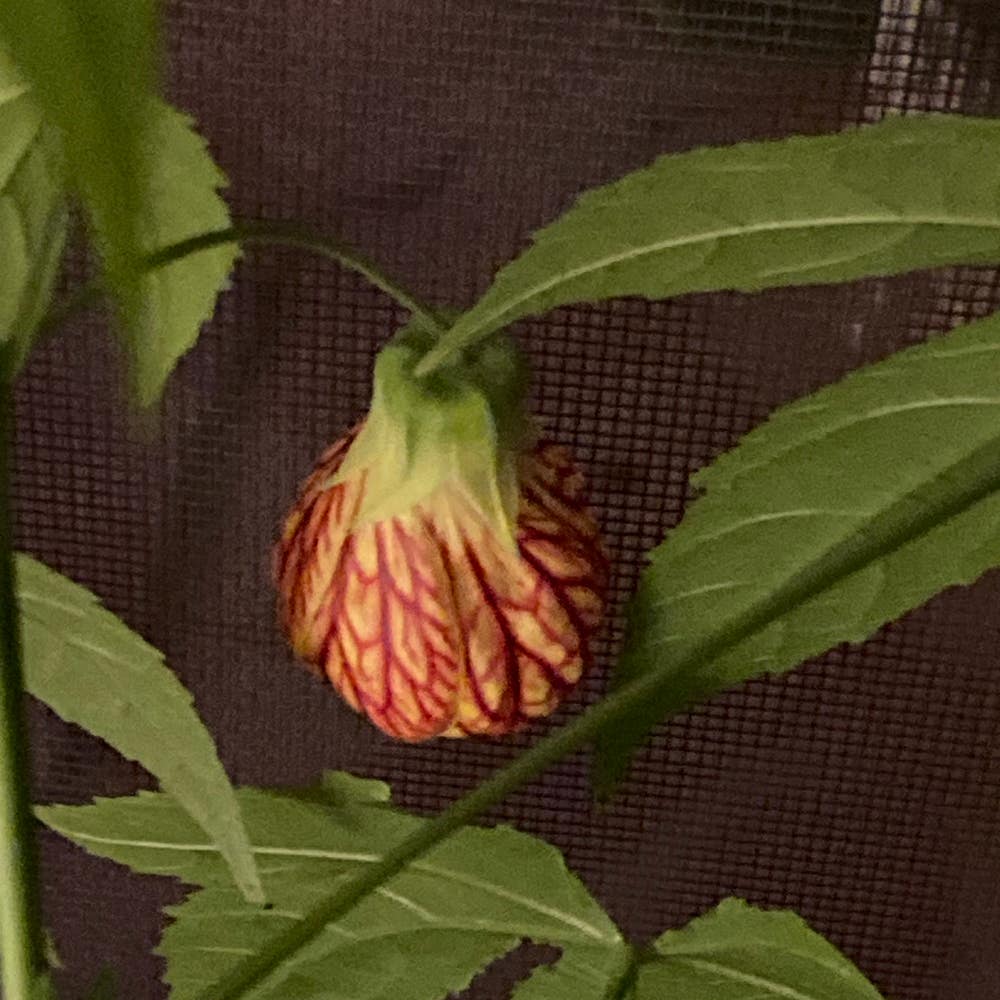
8 Winter Care Mistakes to Avoid with Abutilon ❄️
Abutilon hypoleucum
By the Greg Editorial Team
Nov 22, 2024•4 min read
This article was created with the help of AI so we can cover more plants for you. May contain errors. See one? Report it here.
Ensure your Abutilon survives winter's chill with these vital care tips for a flourishing spring! 🌱❄️
- 🌱 Monitor soil moisture to prevent root rot in winter for your Abutilon.
- ❄️ Reduce fertilization during dormancy; spring is for recovery with balanced nutrients.
- ☀️ Ensure 6-8 hours of indirect sunlight daily for healthy winter growth.
Winter Care Practices for Abutilon
🌊 Adjusting Watering Schedules for Winter
Monitoring soil moisture levels is crucial during winter. Overwatering can lead to root rot, while under-watering can stress your Abutilon, making it more susceptible to damage.
To keep your plant healthy, water only when the top inch of soil is dry. This simple practice helps maintain the right balance of moisture without overwhelming the roots.
❄️ Fertilizing During Winter Months
During the winter months, it's best to reduce or eliminate fertilization. Abutilon typically enters a dormant phase, and feeding can disrupt this natural cycle.
Once dormancy ends, use a balanced, slow-release fertilizer to support spring recovery. This will give your plant the nutrients it needs to thrive as it wakes up from its winter slumber.
🏠 Indoor Care in Colder Climates
For those growing Abutilon indoors during colder months, adjustments are necessary. Ensure your plant receives adequate light exposure, ideally 6-8 hours of indirect sunlight each day.
Maintaining humidity levels between 40-60% is also essential for healthy growth. Additionally, monitor temperature tolerance; the ideal indoor range is between 60°F to 70°F (15°C to 21°C) to keep your Abutilon comfortable and thriving.
With these winter care practices in place, your Abutilon will be well-prepared to face the colder months. Next, let’s explore effective frost protection strategies to safeguard your plants from winter's harshest elements.
Frost Protection Strategies
🧊 Methods to Protect from Frost Damage
Frost can be a sneaky adversary for your Abutilon, but there are effective strategies to shield your plants. One of the simplest methods is to cover them with frost cloth or burlap; just make sure to do this before temperatures dip below freezing.
Another effective technique is mulching around the base of your plants. Using organic mulch not only insulates the roots but also helps retain moisture, giving your Abutilon a fighting chance against the cold.
🌬️ Importance of Microclimates
Understanding microclimates in your garden can significantly enhance your plant's resilience. Look for areas that are sheltered from wind and frost, such as spots near walls or fences, where your Abutilon can thrive even in chilly conditions.
Planting in these microclimates offers numerous benefits, including improved cold hardiness and protection from extreme temperatures. By strategically placing your plants, you can create a more favorable environment that supports their growth through winter.
With these frost protection strategies in place, your Abutilon will be better equipped to handle the winter chill. Next, let's explore how to identify signs of winter damage and assess your plant's health as the season progresses.
Signs of Winter Damage
🌨️ Identifying Frostbite and Other Issues
Winter can be harsh on Abutilon plants, leading to visible signs of distress. Look for blackened or wilted leaves, which are classic symptoms of frostbite, and stunted growth that indicates your plant is struggling.
In addition to frostbite, keep an eye out for root rot, a common issue caused by overwatering or poor drainage during the colder months. This can severely impact your plant’s health if not addressed promptly.
🔍 Assessing Plant Health After Winter
After winter, it’s crucial to assess the overall health of your Abutilon. Start by inspecting the leaves and stems for any signs of damage, such as discoloration or unusual textures.
Next, check the soil moisture and drainage conditions. Ensuring your plant has the right environment will help it bounce back as the weather warms up.
By staying vigilant about these signs, you can help your Abutilon thrive as it transitions into spring. Now, let’s explore how to prepare for the upcoming growth season!
Spring Preparation and Recovery
Pruning for Spring Growth 🌱
Timing is crucial when it comes to pruning your Abutilon. Aim to prune in late winter to early spring, just before new growth begins to emerge.
To promote healthy growth, focus on removing any dead or damaged branches. This not only improves the plant's appearance but also encourages robust new growth.
Transitioning Back to Outdoor Conditions 🌤️
As the weather warms, it's time to transition your Abutilon back outdoors. Start the acclimatization process by exposing the plant to outdoor conditions for just a few hours each day.
Gradually increase the time spent outside, ensuring that nighttime temperatures remain consistently above 50°F (10°C). This careful approach helps your plant adjust without shock.
Fertilization and Care After Dormancy 🌼
Once you notice new growth, it’s time to resume fertilization. Begin with a balanced fertilizer to support your Abutilon’s recovery and growth.
Continue to monitor soil moisture and light requirements closely. Adjust your care practices based on how the plant responds to its renewed environment.
With these steps, your Abutilon will thrive as it transitions into the vibrant spring season. Next, we’ll explore how to identify signs of winter damage and assess your plant's health effectively.
⚠️ Safety First
This content is for general information and may contain errors, omissions, or outdated details. It is not medical, veterinary advice, or an endorsement of therapeutic claims.
Always consult a qualified healthcare professional before using any plant as food, medicine, or supplement.
Never eat any plant (or feed one to pets) without confirming its identity with at least two trusted sources.
If you suspect poisoning, call Poison Control (800) 222-1222, the Pet Poison Helpline (800) 213-6680, or your local emergency service immediately.
Spotted an error? Please report it here.
Keep your Abutilon thriving this winter ❄️ by using Greg for personalized care reminders that ensure optimal moisture, light, and protection from frost!