Abutilon Is Not Considered a Weed
Abutilon hypoleucum
By the Greg Editorial Team
Nov 22, 2024•6 min read
This article was created with the help of AI so we can cover more plants for you. May contain errors. See one? Report it here.
Transform your garden with Abutilon, a stunning plant that boosts biodiversity and supports local ecosystems! 🌼
- 🌼 Abutilon is not invasive, promoting biodiversity without aggressive self-seeding.
- 🐝 Attracts pollinators like bees and hummingbirds, enhancing garden ecosystems.
- 🌳 Versatile growth as a shrub or small tree, perfect for diverse garden styles.
Plant Classification
🌱 Definition of Invasive Species
Invasive species are plants that exhibit certain characteristics, making them a threat to local ecosystems. They typically grow rapidly, spread aggressively, and can displace native species, leading to negative impacts on biodiversity.
These invasive plants often disrupt the balance of local ecosystems, outcompeting native flora for resources. This can result in diminished habitats for wildlife and a decline in overall ecological health.
🌼 Why Abutilon is Not Invasive
Abutilon stands apart from invasive species due to its moderate growth rate and limited spread potential. Unlike aggressive invaders, it does not self-seed prolifically, which helps maintain its presence without overwhelming the surrounding environment.
Ecologically, Abutilon does not outcompete native plants. Instead, it coexists harmoniously within garden ecosystems, contributing to a balanced environment that supports various forms of life.
This unique growth behavior and ecological impact make Abutilon a valuable addition to gardens, rather than a threat to local biodiversity. As we explore its growth habits and ecological role, we can appreciate how this plant enhances our gardens while respecting the natural world.
Growth Habits
Typical Growth Patterns 🌱
Abutilon can thrive as either a shrub or a small tree, reaching heights of up to 10 feet depending on the species. Its growth form is versatile, making it a great addition to various garden styles.
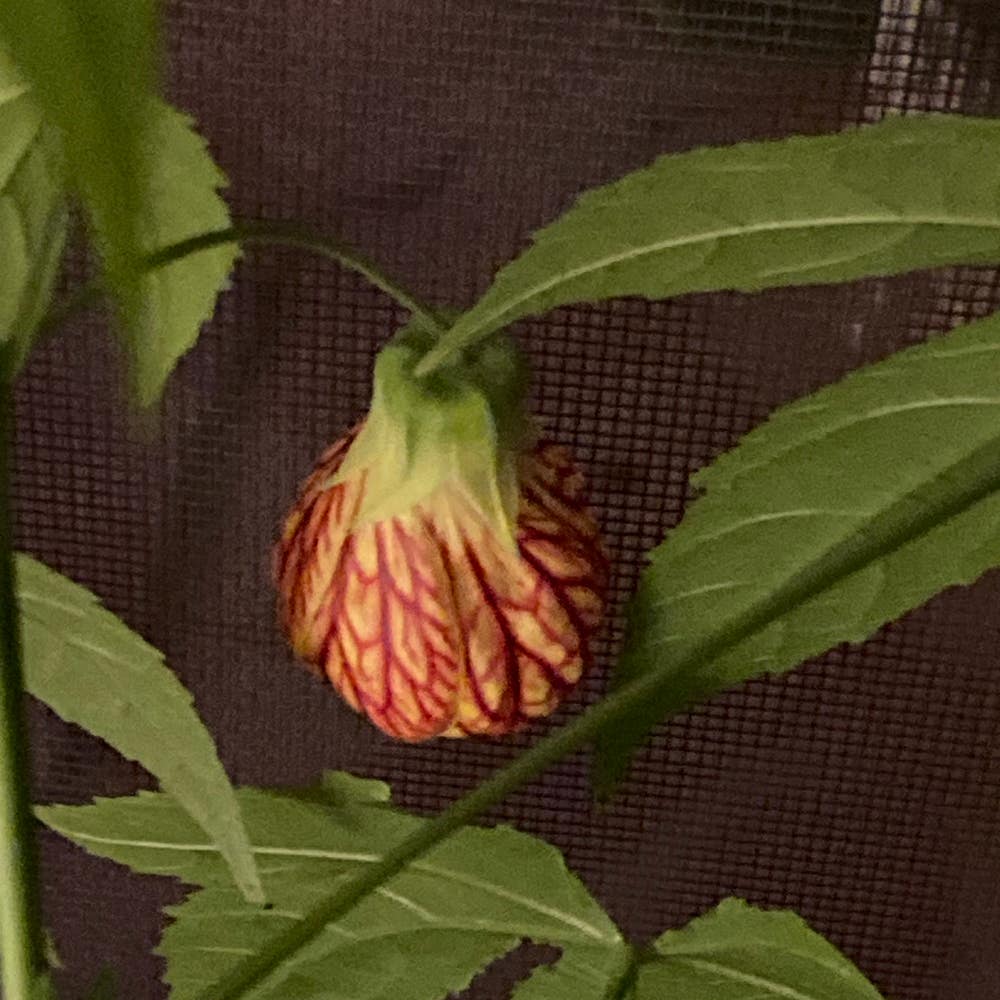
The plant is known for its stunning bell-shaped flowers, which come in a variety of colors. These blooms primarily appear from spring to fall, providing a vibrant display throughout the growing season.
Natural Limits to Growth 🌿
Abutilon prefers well-draining soil with moderate moisture for optimal growth. While it can tolerate partial shade, it truly flourishes in full sun, which enhances its flowering potential.
To maintain its size and shape, regular pruning is recommended. Additionally, the plant's spread is limited in less favorable conditions, such as poor soil or excessive shade, making it manageable in various garden settings.
Incorporating Abutilon into your garden not only adds beauty but also allows for easy growth management. With its adaptable nature, it can fit seamlessly into your landscape while providing a stunning visual impact.
Next, let's explore the ecological role of Abutilon and its benefits in garden environments.
Ecological Role
Benefits in Gardens 🌼
Abutilon is a garden gem, particularly when it comes to attracting pollinators. Its vibrant, bell-shaped flowers are a magnet for bees and hummingbirds, enhancing the biodiversity of any garden setting.
Moreover, Abutilon plays a crucial role in soil health. Its extensive root systems contribute to soil stabilization, preventing erosion and promoting a healthier garden ecosystem.
Interactions with Local Wildlife 🦋
Abutilon fosters positive relationships with local wildlife. It provides essential nectar and habitat for beneficial insects, creating a thriving environment for pollinators.
Additionally, this plant supports local bird populations by offering shelter and food sources. By incorporating Abutilon into your garden, you not only beautify your space but also contribute to a vibrant ecosystem.
As we explore how to manage Abutilon in your garden, consider its ecological benefits as a foundation for sustainable gardening practices.
Garden Management
Incorporating Abutilon into Designs 🌺
Abutilon can be a stunning addition to your garden, serving as a focal point or backdrop in mixed borders. Its vibrant, bell-shaped flowers bring color and life, especially when paired with complementary plants that enhance its beauty.
When planting, consider spacing your Abutilon 3-5 feet apart. This allows for adequate air circulation, which is crucial for healthy growth. Additionally, amending the soil with organic matter will improve drainage, creating a thriving environment for your plants.
Controlling Growth for Aesthetics ✂️
To maintain the desired shape and size of your Abutilon, implement light pruning techniques. The best time for this is late winter or early spring, just before new growth begins.
Regularly monitor your garden for any unwanted seedlings. Prompt removal of any invasive growth ensures that your Abutilon remains a beautiful and controlled part of your landscape.
Incorporating Abutilon into your garden not only enhances its aesthetic appeal but also supports local ecosystems. Next, let's explore how Abutilon interacts with local wildlife and contributes to a thriving garden environment.
Comparison to Other Plants
🌱 Similar Non-Invasive Plants
When considering plants that complement Abutilon, Hibiscus stands out. It shares similar flowering characteristics, offering vibrant blooms, but it typically requires more water to thrive.
Another option is Lavatera, which has comparable growth habits. However, Lavatera can be more aggressive, making Abutilon a safer choice for maintaining garden balance.
🌟 Unique Qualities
Abutilon boasts distinctive features that set it apart. Its unique bell-shaped flowers come in a variety of colors, adding a splash of vibrancy to any garden.
Moreover, Abutilon exhibits versatile growth habits, allowing it to adapt to various garden styles. Whether you want a focal point or a backdrop, this plant fits the bill perfectly.
🌼 Benefits
One of the standout benefits of Abutilon is its longer blooming period compared to many similar plants. This extended flowering season means more color and life in your garden for a longer time.
Additionally, Abutilon attracts a wider range of pollinators, enhancing biodiversity. By incorporating this plant, you not only beautify your space but also support local ecosystems.
As we explore the legal and environmental considerations of planting Abutilon, it's essential to understand its role in sustainable gardening practices.
Legal and Environmental Considerations
🌱 Classifications and Guidelines
When considering planting Abutilon, it's essential to check local regulations regarding non-invasive species. Generally, Abutilon is accepted in most regions, making it a safe choice for gardeners looking to enhance their landscapes without contributing to ecological issues.
♻️ Role in Sustainable Practices
Sustainable gardening is all about supporting local ecosystems, and Abutilon plays a vital role in this. By providing habitat and food, it fosters a thriving environment for various species.
Moreover, incorporating Abutilon can help reduce reliance on chemical pesticides. Its flowers attract beneficial insects, creating a natural balance in your garden.
🐝 Using Abutilon in Pollinator Gardens
Abutilon is an excellent addition to any pollinator garden. Its vibrant blooms draw in bees, butterflies, and hummingbirds, enhancing biodiversity and supporting local wildlife.
🌼 Promoting Biodiversity
Planting Abutilon alongside native species can further promote biodiversity. This practice not only enriches your garden but also helps maintain the ecological balance in your area.
In summary, Abutilon is not just a beautiful plant; it’s a valuable asset in sustainable gardening. By choosing to include it in your garden, you contribute to a healthier ecosystem while enjoying its stunning flowers.
Next, let’s explore how to effectively incorporate Abutilon into your garden designs for maximum impact.
⚠️ Safety First
This content is for general information and may contain errors, omissions, or outdated details. It is not medical, veterinary advice, or an endorsement of therapeutic claims.
Always consult a qualified healthcare professional before using any plant as food, medicine, or supplement.
Never eat any plant (or feed one to pets) without confirming its identity with at least two trusted sources.
If you suspect poisoning, call Poison Control (800) 222-1222, the Pet Poison Helpline (800) 213-6680, or your local emergency service immediately.
Spotted an error? Please report it here.
Enhance your garden's beauty and biodiversity 🌼 with Abutilon, and let Greg guide you with tailored care reminders to keep your plants thriving all season long!