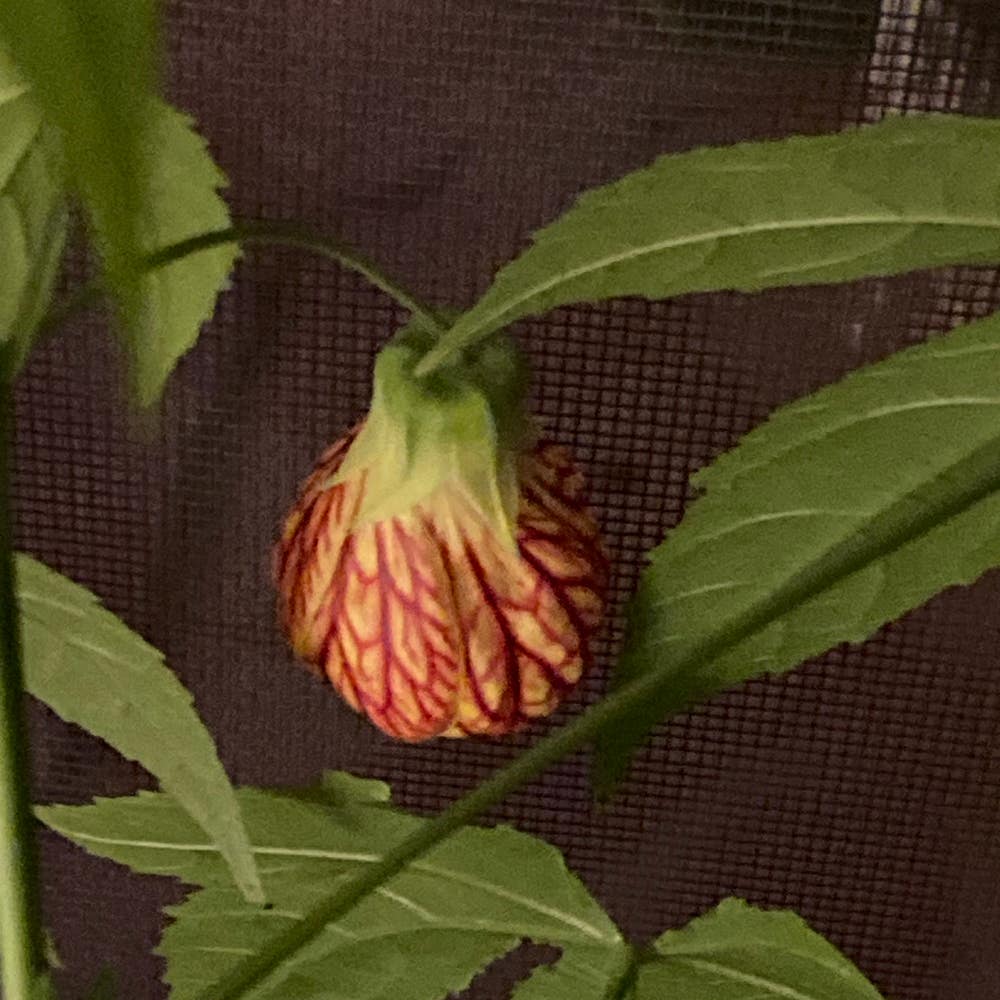
7 Essential Outdoor Abutilon Care Routines 🌼
Abutilon hypoleucum
By the Greg Editorial Team
Nov 22, 2024•7 min read
This article was created with the help of AI so we can cover more plants for you. May contain errors. See one? Report it here.
Unlock vibrant Abutilon blooms 🌺 with essential tips on sunlight, watering, and pest protection for thriving plants!
- 🌞 Abutilon needs 4-6 hours of sunlight daily for optimal growth.
- 💧 Water weekly and check soil moisture to promote robust root development.
- 🌬️ Ensure good air circulation to prevent diseases and maintain plant health.
Sunlight and Location
Ideal Sunlight Conditions 🌞
Abutilon thrives best in full sun to partial shade, requiring about 4-6 hours of direct sunlight each day. Insufficient sunlight can lead to stunted growth and fewer flowers, so finding the right balance is crucial for a vibrant plant.
Choosing the Right Location 🏡
When selecting a location for your Abutilon, consider its proximity to structures that can provide wind protection. Additionally, avoid placing it in areas with heavy foot traffic to prevent damage.
Importance of Air Circulation 🌬️
Good air circulation is essential for reducing the risk of diseases. Ensuring your plant has enough space around it can help maintain healthy growth and prevent moisture buildup.
By paying attention to sunlight and location, you set the stage for a flourishing Abutilon. Next, let’s explore the watering and soil requirements that will keep your plant hydrated and healthy.
Watering and Soil Requirements
Watering Frequency and Techniques 🌊
Watering your Abutilon is crucial for its health and vitality. Aim to water once a week, increasing frequency during hot spells to keep the plant hydrated.
To check soil moisture, dig 1-2 inches down; if it feels dry, it’s time to water. Deep watering is essential as it encourages robust root growth, allowing your plant to thrive.
Avoid overhead watering to minimize the risk of fungal diseases. Instead, focus on watering the base of the plant, ensuring that moisture reaches the roots effectively.
Best Soil Types 🌱
The right soil is vital for your Abutilon’s success. Look for well-draining soil rich in organic matter, which provides the nutrients your plant needs.
Aim for a soil pH that is slightly acidic to neutral, ideally between 6.0 and 7.0. For container planting, a mix of potting soil, compost, and perlite works wonders.
If you’re planting in the ground, amend your native soil with organic matter to enhance its quality. This approach helps create a thriving environment for your Abutilon.
With proper watering and soil conditions, your Abutilon will flourish, setting the stage for healthy growth and vibrant blooms. Next, let’s explore the best fertilization practices to keep your plant nourished.
Fertilization Practices
🌱 Types of Fertilizers
When it comes to fertilizing your Abutilon, you have two main options: organic and chemical fertilizers. Organic choices like compost and well-rotted manure enrich the soil naturally, while chemical fertilizers, such as a balanced NPK (10-10-10) or slow-release formulas, provide a quick nutrient boost.
📅 Fertilization Schedule and Techniques
Timing is crucial for effective fertilization. Start in early spring as growth resumes, and continue with monthly applications throughout the growing season.
Application Methods
- Granular Fertilizers: Spread these around the base of the plant and water them in to ensure they penetrate the soil.
- Liquid Fertilizers: Dilute as per instructions and apply during your regular watering routine for even distribution.
By following these fertilization practices, you’ll set your Abutilon up for vibrant growth and abundant blooms. Next, let’s explore the best planting options, whether in containers or directly in the ground.
Planting Options: Container vs. Ground
🌱 Benefits and Drawbacks of Container Planting
Container planting offers remarkable mobility. You can easily relocate your Abutilon to capture optimal sunlight or provide protection from harsh weather.
Another advantage is the control over soil quality and drainage. You can customize the soil mix to suit your plant's needs, ensuring it thrives.
However, container planting has its challenges. Limited root space means your plants may require frequent repotting as they grow.
Additionally, containers tend to dry out faster, leading to increased watering needs. This can be a hassle, especially during hot spells.
🌍 Benefits and Drawbacks of Ground Planting
On the other hand, ground planting allows for greater root development. Your Abutilon can spread out, accessing more nutrients and water.
Ground planting also benefits from natural moisture retention. This means less frequent watering, which can save you time and effort.
Yet, it comes with its own set of drawbacks. You have less control over soil conditions, which may require amendments to optimize growth.
Finally, plants in the ground can be more vulnerable to pests and diseases. This necessitates regular monitoring and management to keep your garden healthy.
In summary, both planting options have unique benefits and challenges. Choosing the right one depends on your gardening style and the specific needs of your Abutilon.
Next, let's explore effective protection from weather and pests to ensure your plants thrive in any environment.
Protection from Weather and Pests
🌧️ Strategies for Weather Protection
Weather can be unpredictable, but with the right strategies, you can protect your Abutilon plants effectively. Mulching is a fantastic way to retain soil moisture and regulate temperature, ensuring your plants stay hydrated and comfortable.
Additionally, consider using row covers or frost cloths during cold snaps. These protective layers can shield your plants from harsh conditions, allowing them to thrive even when temperatures drop.
🐛 Common Outdoor Pests
Outdoor pests can pose a significant threat to your Abutilon plants. Aphids are small, soft-bodied insects that can quickly infest your plants, leading to stunted growth. Look for curled leaves or sticky residue, and control them with insecticidal soap or neem oil.
Spider mites are another common pest, identifiable by fine webbing on the undersides of leaves. To manage them, increase humidity around your plants and use miticides if necessary.
Lastly, keep an eye out for whiteflies, which can cause yellowing leaves and reduced vigor. Prevention is key; use sticky traps and encourage natural predators like ladybugs to keep their numbers in check.
🦠 Disease Prevention and Management
Diseases can sneak up on your Abutilon, but awareness is your best defense. Powdery mildew and root rot are two common issues that can arise. To prevent powdery mildew, ensure proper spacing between plants for air circulation and avoid overhead watering.
For root rot, make sure your soil drains well and avoid overwatering. If you notice any signs of disease, act quickly by removing affected parts and adjusting your care routine.
With these strategies in place, your Abutilon will be well-protected from the elements and pests, allowing for a flourishing garden. Next, let’s explore how seasonal changes impact your care routines.
Seasonal Care and Climate Considerations
🌱 Seasonal Changes and Their Impact on Care
As the seasons shift, so too does the care required for your Abutilon plants. In spring, focus on fertilization and pruning to encourage robust new growth.
During summer, increase your watering routine and keep a close eye on pests. This is the time when your plants are most active and vulnerable.
As fall approaches, start preparing your plants for winter by gradually reducing watering. This helps them acclimate to the cooler temperatures ahead.
In winter, your main concern should be protecting your Abutilon from frost and cold temperatures. Consider using protective coverings or relocating pots to sheltered areas.
🌍 Special Considerations for Different Climate Zones
Understanding your climate zone is crucial for optimal Abutilon care. These plants thrive best in USDA hardiness zones 9-11, where temperatures are milder.
If you live outside these zones, adjust your care practices accordingly. For instance, in cooler areas, you might need to bring container plants indoors during winter or provide extra insulation.
✂️ Pruning and Maintenance Throughout the Year
Pruning is essential for maintaining the health and shape of your Abutilon. The best time to prune is from late winter to early spring, just before new growth begins.
Use shaping techniques to encourage bushier growth and remove any dead or diseased branches. This not only promotes health but also enhances the overall appearance of your plants.
With these seasonal care tips, your Abutilon will flourish throughout the year, adapting beautifully to its environment. Next, let’s delve into effective protection strategies against weather and pests to ensure your plants remain healthy and vibrant.
⚠️ Safety First
This content is for general information and may contain errors, omissions, or outdated details. It is not medical, veterinary advice, or an endorsement of therapeutic claims.
Always consult a qualified healthcare professional before using any plant as food, medicine, or supplement.
Never eat any plant (or feed one to pets) without confirming its identity with at least two trusted sources.
If you suspect poisoning, call Poison Control (800) 222-1222, the Pet Poison Helpline (800) 213-6680, or your local emergency service immediately.
Spotted an error? Please report it here.
Transform your outdoor space with vibrant Abutilon blooms 🌼 by using Greg's tailored watering reminders and expert care tips to keep your plants thriving all year round!