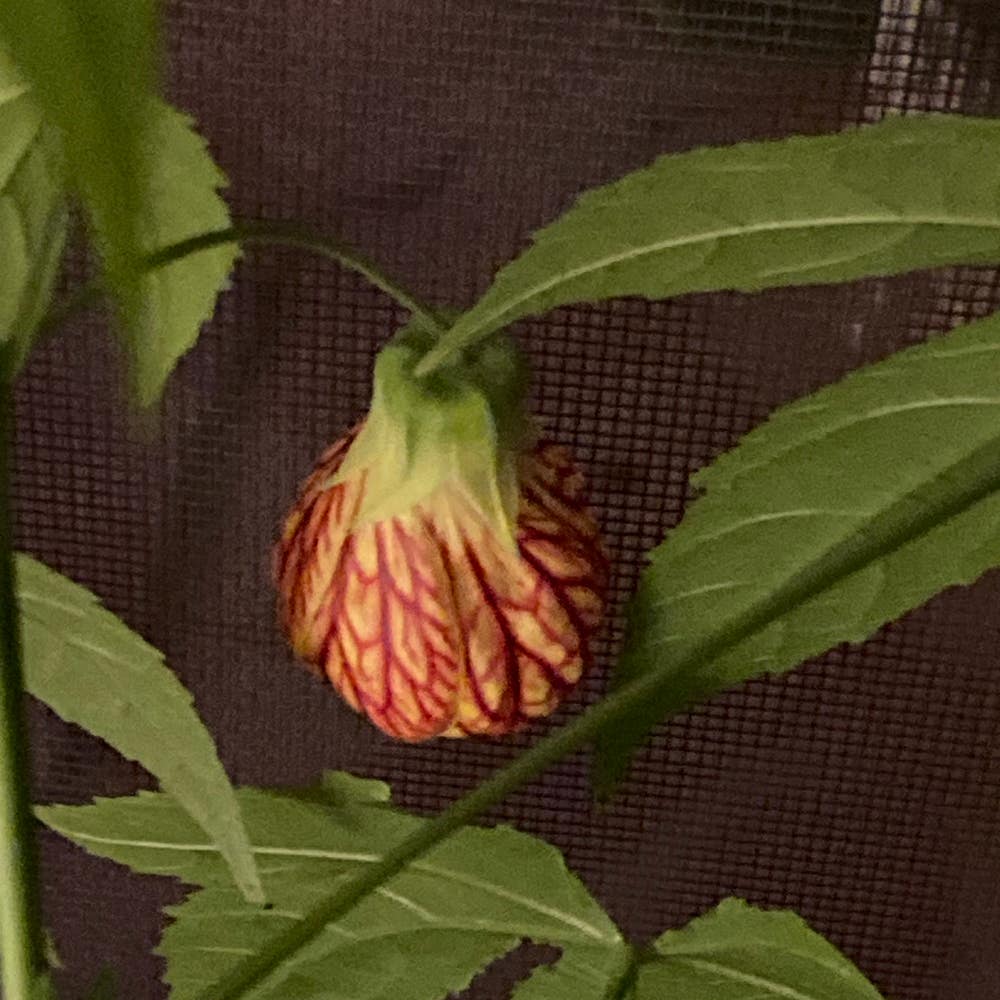
Abutilon: A Perennial Plant 🌺
Abutilon hypoleucum
By the Greg Editorial Team
Nov 22, 2024•5 min read
This article was created with the help of AI so we can cover more plants for you. May contain errors. See one? Report it here.
Unlock the beauty and resilience of Abutilon 🌸, the low-maintenance perennial that thrives year after year in your garden!
- 🌼 Abutilon is a resilient perennial, thriving for years without replanting.
- 🌱 Proper care boosts growth and flowering, enhancing its vibrant blooms.
- 🌞 Ideal for zones 8-11, Abutilon flourishes with sunlight and well-draining soil.
Characteristics that Classify Abutilon as a Perennial
🌱 Multi-Year Lifecycle
Abutilon is a remarkable plant known for its ability to thrive for multiple years. This perennial nature allows it to establish a robust root system, which plays a crucial role in its annual regrowth.
Each year, Abutilon utilizes its established roots to sprout anew, ensuring a vibrant display of foliage and flowers. This resilience not only enhances its longevity but also makes it a favorite among gardeners seeking low-maintenance options.
📈 Growth Patterns
Abutilon exhibits distinct growth patterns that set it apart from annual plants. Each growing season, it typically experiences a burst of growth, producing lush leaves and stunning blooms.
In contrast to annuals, which complete their lifecycle in a single year, Abutilon continues to grow and flourish year after year. This longevity allows gardeners to enjoy its beauty without the need for replanting, making it a sustainable choice for any garden.
As we explore the flowering behavior of Abutilon, we’ll uncover how its growth patterns contribute to its overall appeal.
Flowering and Lifespan
🌸 Flowering Behavior
Abutilon is known for its vibrant blooms, which typically appear throughout the growing season. These flowers can last for several weeks, providing a continuous display of color that delights gardeners.
The frequency and duration of blooms depend on several factors, including light exposure, water availability, and nutrient levels in the soil. Ensuring your Abutilon receives adequate sunlight and hydration will encourage a more prolific flowering period.
⏳ Expected Lifespan
On average, Abutilon can live for several years, often outlasting many other perennial plants. This longevity makes it a valuable addition to any garden, as it continues to provide beauty year after year.
However, its lifespan can be influenced by various factors such as climate, soil conditions, and care practices. Proper maintenance, including regular watering and fertilization, can significantly enhance the plant's longevity and overall health.
As you explore the flowering and lifespan of Abutilon, consider how these aspects contribute to its appeal as a perennial plant. Next, we will delve into the dormancy and seasonal changes that affect Abutilon’s growth patterns.
Dormancy and Seasonal Changes
Dormancy Periods 🌱
Dormancy is a crucial phase in the lifecycle of Abutilon. During this time, the plant conserves energy and resources, preparing for the next growing season.
Identifying dormancy in Abutilon is relatively straightforward. Look for signs such as wilting leaves, reduced growth, and a general lack of new blooms, indicating that the plant is resting.
Seasonal Changes 🍂
Abutilon exhibits distinct seasonal growth patterns that reflect its adaptability. As temperatures fluctuate and daylight hours change, the plant adjusts its growth accordingly.
Temperature and light play significant roles in Abutilon's growth and dormancy. Warmer temperatures and longer days typically stimulate growth, while cooler conditions can trigger dormancy, allowing the plant to thrive year after year.
Understanding these seasonal dynamics helps gardeners provide the best care for their Abutilon, ensuring vibrant blooms and healthy growth. As we explore the advantages of Abutilon's perennial nature, consider how these seasonal changes contribute to its resilience and beauty.
Advantages of Perennial Nature
Benefits of Reduced Replanting 🌱
Abutilon’s perennial nature means less time spent replanting each year. This not only saves resources but also allows gardeners to focus on nurturing their plants rather than starting from scratch.
Incorporating Abutilon into garden designs promotes sustainability. With its ability to thrive year after year, it becomes a reliable choice for long-term garden planning.
Importance of Established Root Systems 🌳
One of the standout benefits of Abutilon is its established root system. These roots provide enhanced stability, better nutrient uptake, and increased drought resistance.
When compared to annual plants, Abutilon’s robust root system offers significant advantages. This resilience allows it to endure varying conditions, making it a smart choice for any garden.
Transitioning to the next topic, understanding how climate affects Abutilon’s growth can further enhance your gardening success.
Variations Across Climate Zones
🌍 Differences in Behavior
Abutilon is remarkably adaptable, thriving in various climate conditions. Its growth and flowering patterns can significantly change based on environmental factors like temperature and humidity.
In warmer climates, Abutilon tends to grow more vigorously, producing abundant blooms throughout the year. Conversely, in cooler regions, its growth may slow, leading to a shorter flowering season.
USDA Hardiness Zones
Abutilon generally flourishes in USDA hardiness zones 8 to 11. Here’s a quick overview of how it behaves across different zones:
| USDA Zone | Growth Behavior |
|---|---|
| 8 | Moderate growth; blooms from spring to fall. |
| 9 | Vigorous growth; nearly year-round flowering. |
| 10 | Continuous growth and flowering; minimal dormancy. |
| 11 | Thrives with abundant blooms; very little seasonal change. |
🌱 Tips for Maximizing Perennial Benefits
To ensure your Abutilon thrives, start by selecting the right location. Choose a spot with well-draining soil and plenty of sunlight, ideally receiving at least six hours of direct light daily.
Long-term care is crucial for optimal growth. Regular watering, especially during dry spells, and occasional fertilization can enhance flowering. Additionally, pruning after the blooming season encourages bushier growth and more vibrant flowers in the following year.
By understanding how climate influences Abutilon, you can better appreciate its versatility and beauty in your garden. This knowledge sets the stage for exploring the advantages of its perennial nature.
⚠️ Safety First
This content is for general information and may contain errors, omissions, or outdated details. It is not medical, veterinary advice, or an endorsement of therapeutic claims.
Always consult a qualified healthcare professional before using any plant as food, medicine, or supplement.
Never eat any plant (or feed one to pets) without confirming its identity with at least two trusted sources.
If you suspect poisoning, call Poison Control (800) 222-1222, the Pet Poison Helpline (800) 213-6680, or your local emergency service immediately.
Spotted an error? Please report it here.
Keep your Abutilon blooming vibrantly 🌼 for years with Greg's tailored care tips and watering reminders that ensure your perennial thrives season after season!