🌺 Ultimate Guide to Abutilon Lifecycle
Abutilon hypoleucum
By the Greg Editorial Team
Nov 22, 2024•6 min read
This article was created with the help of AI so we can cover more plants for you. May contain errors. See one? Report it here.
Master the growth stages of Abutilon plants 🌱 to nurture vibrant blooms and thriving greenery in your garden!
- 🌱 Abutilon seeds can remain viable for years if stored properly.
- 🌞 Optimal germination temperature is 20°C to 25°C (68°F to 77°F).
- 🌼 Abutilon flowers last 4 to 6 weeks, attracting pollinators and producing seeds.
Seed and Germination Stage
Seed Characteristics 🌱
Abutilon seeds are small, flat, and typically come in shades of brown or black. These seeds can remain viable for several years if stored properly, making them resilient for future planting.
Germination Process and Conditions 🌡️
For successful germination, maintain an ideal temperature range of 20°C to 25°C (68°F to 77°F). Use a well-draining potting mix, lightly covering the seeds with soil to ensure they have the right environment to sprout.
Moisture Needs 💧
Consistent moisture is crucial during germination, but avoid waterlogging the seeds. This balance helps promote healthy growth without drowning the delicate seedlings.
Duration of Germination Stage ⏳
Under optimal conditions, the average germination time for Abutilon seeds is about 7 to 14 days. Factors like temperature, moisture levels, and seed quality can significantly influence this timeline, so keep an eye on your setup for the best results.
With a solid understanding of the seed and germination stage, you’re well on your way to nurturing healthy Abutilon plants. Next, let’s explore the exciting seedling stage and what it takes to help your plants thrive.
Seedling Stage
🌱 Development of Seedlings
The seedling stage marks an exciting phase in the Abutilon lifecycle. Initially, you'll see the cotyledons emerge, followed closely by the development of true leaves.
These true leaves are broad and can vary in size depending on the specific variety of Abutilon. This diversity adds a unique touch to your growing plants.
🌞 Environmental Requirements for Seedlings
To thrive, seedlings require specific environmental conditions. They need bright, indirect sunlight to promote healthy growth.
Watering is crucial; keep the soil consistently moist but avoid sogginess. Additionally, maintaining warm conditions is essential, ideally above 18°C (64°F).
⏳ Duration of Seedling Stage
Typically, the seedling stage lasts about 4 to 6 weeks. During this time, seedlings prepare for transplanting.
You can tell when they are ready by observing the development of 2-3 sets of true leaves. This is your cue to move them to their next growing environment.
As you nurture your seedlings, you'll witness their transformation, setting the stage for the next exciting phase in their lifecycle.
Vegetative Growth Stage
🌱 Characteristics of Growth
The vegetative growth stage is where the magic happens. During this rapid growth phase, the plant experiences a significant increase in both height and leaf production.
As the plant matures, its leaves become larger and more vibrant, showcasing the beauty of Abutilon. This transformation is a clear indicator of a healthy, thriving plant.
🌞 Factors Influencing Growth
Several factors play a crucial role in influencing growth during this stage.
Light Exposure: Abutilon thrives in full sun to partial shade, making light exposure essential for optimal growth.
Nutrient Availability: Regular feeding with a balanced fertilizer is key to promoting healthy foliage. This ensures the plant has the nutrients it needs to flourish.
Watering Practices: Consistent moisture is crucial. Keeping the soil evenly moist, but not soggy, supports robust growth.
⏳ Duration of Growth Stage
The average duration of the vegetative growth stage ranges from 3 to 6 months.
During this time, the plant can grow impressively, reaching heights of up to 1-2 feet. This growth rate is a testament to the right environmental conditions and care practices.
As we transition from the vegetative growth stage, the next phase is the flowering stage, where the plant will showcase its stunning blooms.
Flowering Stage
🌸 Description of Flowering Process
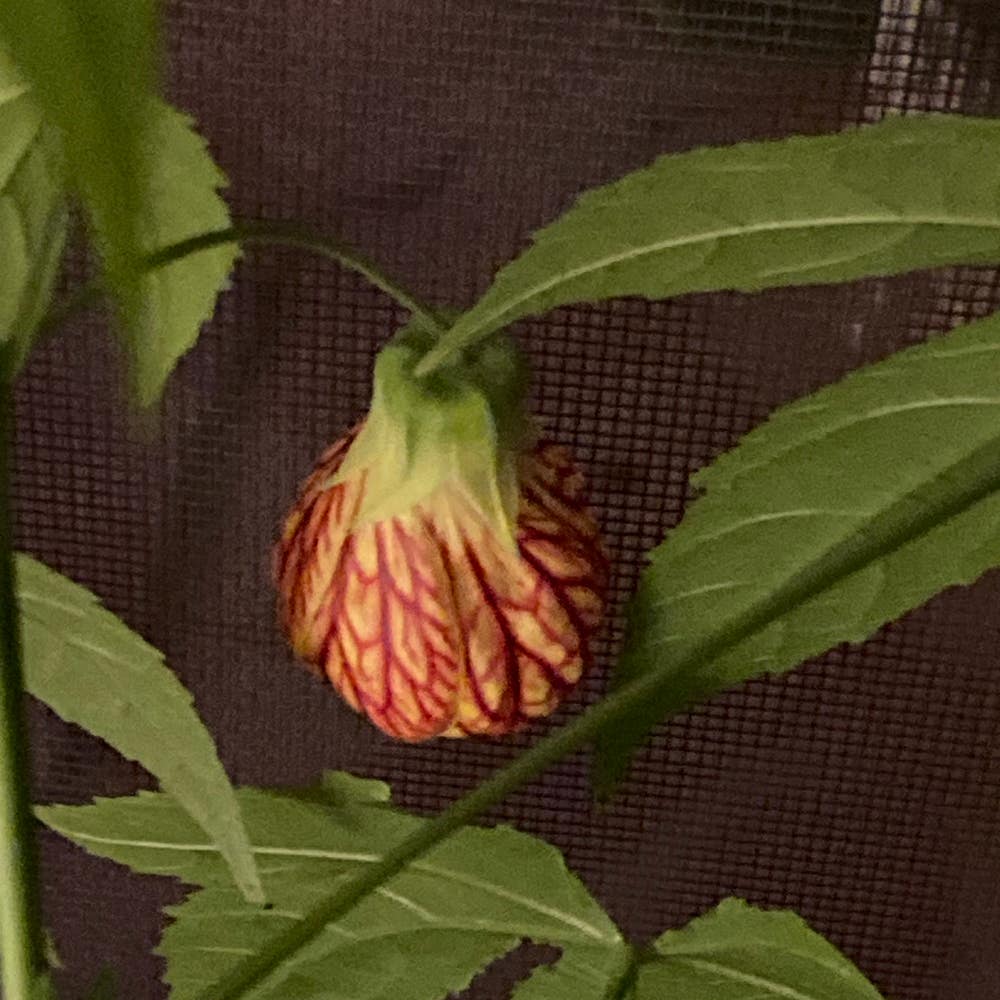
During the flowering stage, Abutilon plants showcase their beauty as buds form at the leaf axils. These buds develop into stunning bell-shaped flowers, which can vary in color from vibrant yellows to fiery reds and oranges, depending on the variety.
🐝 Pollination and Fertilization
Abutilon plants primarily rely on self-pollination, but they also attract beneficial pollinators like bees. After pollination, fertilization occurs swiftly, setting the stage for seed development.
⏳ Duration of Flowering Stage
The flowering period typically lasts between 4 to 6 weeks, with blooms often peaking in late spring to summer. Factors such as light duration, temperature, and overall plant health significantly influence the flowering success and duration.
As the flowering stage concludes, the plant transitions into the seed production phase, where it begins to focus on creating seeds for the next generation.
Seed Production and Maturation
Seed Production Process 🌱
Seed production begins after successful fertilization, marking a crucial phase in the Abutilon lifecycle. During this time, the plant develops elongated seed pods that contain several seeds, ready to ensure the continuation of its species.
Changes During Seed Production 🔄
As the plant shifts its focus to seed development, it redirects energy away from growth. This energy allocation can lead to noticeable changes, such as a reduction in leaf size and overall vigor, as the plant prioritizes reproduction over foliage.
Duration of Seed Production Stage ⏳
The average duration for seed production is about 6 to 8 weeks, starting from the flowering stage until the seeds reach maturity. You can tell when the seeds are ready by observing the seed pods; they will turn brown and dry, signaling that it's time for harvesting.
This stage is vital for the plant's lifecycle, ensuring that new generations can thrive. With the seeds maturing, the cycle of growth and renewal continues, paving the way for the next chapter in the Abutilon journey.
Overall Lifespan and Growth Rate
Average Lifespan 🌱
Abutilon plants typically have a lifespan ranging from 3 to 5 years. This duration can vary based on the care they receive and the environmental conditions they are exposed to.
Perennial vs. Annual 🌼
In warm climates, Abutilon can thrive as a perennial, returning year after year. Conversely, in cooler regions, it often behaves as an annual, completing its life cycle within a single growing season.
Factors Affecting Growth Rate 📈
Several factors significantly influence the growth rate of Abutilon plants.
- Environmental Conditions: Temperature, light, and soil quality play crucial roles in determining how quickly these plants grow.
- Care Practices: Regular watering, appropriate fertilization, and effective pest management can enhance their growth potential.
Maturation Time and Growth Speed ⏳
Under optimal conditions, Abutilon can reach maturity within just one year.
- Growth Rate Specifics: During the vegetative stage, these plants can grow rapidly, achieving impressive height and lush foliage in a short period.
Understanding the overall lifespan and growth rate of Abutilon helps gardeners provide the best care possible, ensuring vibrant plants that thrive in their environment. Next, we will explore the fascinating seed production and maturation process of these resilient plants.
⚠️ Safety First
This content is for general information and may contain errors, omissions, or outdated details. It is not medical, veterinary advice, or an endorsement of therapeutic claims.
Always consult a qualified healthcare professional before using any plant as food, medicine, or supplement.
Never eat any plant (or feed one to pets) without confirming its identity with at least two trusted sources.
If you suspect poisoning, call Poison Control (800) 222-1222, the Pet Poison Helpline (800) 213-6680, or your local emergency service immediately.
Spotted an error? Please report it here.
Unlock the secrets of your Abutilon's thriving lifecycle 🌱 with Greg's tailored care reminders that guide you from seed germination to stunning blooms!