Identifying What is Eating Your Abutilon 🐞
Abutilon hypoleucum
By the Greg Editorial Team
Nov 22, 2024•8 min read
This article was created with the help of AI so we can cover more plants for you. May contain errors. See one? Report it here.
Safeguard your vibrant Abutilon garden from herbivores while inviting pollinators to thrive! 🌼🦋
- 🌼 Abutilon attracts pollinators while being vulnerable to herbivores like deer and rabbits.
- 🐾 Identify herbivore signs: hoof prints, droppings, and chewed leaves indicate damage.
- 🚫 Protect Abutilon with repellents, fencing, and smart plant placement for a thriving garden.
Description and Appeal
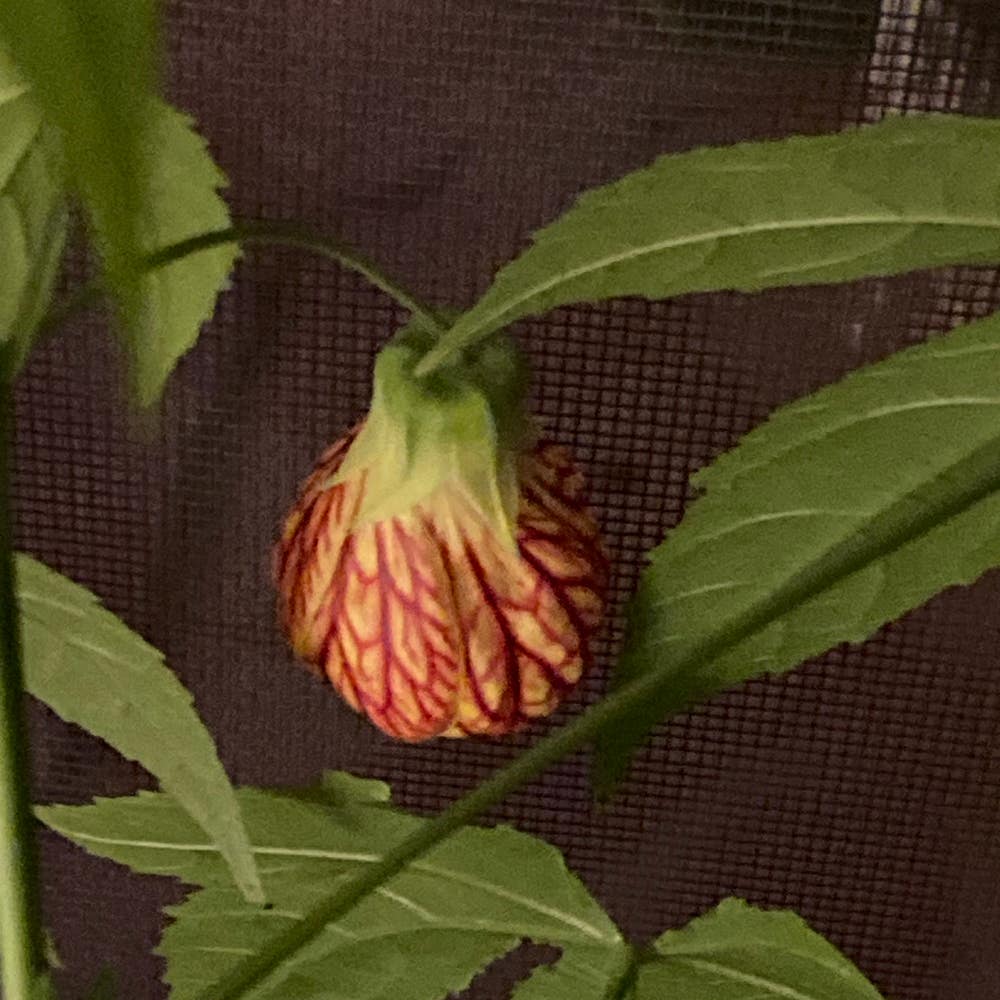
Abutilon, often called flowering maple, is a stunning addition to any garden, known for its attractive bell-shaped flowers and soft, palmate leaves. These vibrant blooms come in a variety of colors, making them a visual delight that draws in both pollinators and curious herbivores.
🌼 Appealing Parts
The flowers are not just pretty; their bright colors serve as a beacon for bees, butterflies, and other pollinators. Meanwhile, the young shoots of Abutilon are particularly enticing due to their tender texture and high moisture content, making them a favorite snack for various garden visitors.
This combination of beauty and appeal makes Abutilon a magnet for wildlife, which can be both a blessing and a challenge for gardeners. Understanding what attracts these creatures can help you protect your plants while enjoying the vibrant life they bring to your garden.
As we delve deeper into the common herbivores that may target your Abutilon, you'll learn how to identify their presence and manage their impact effectively.
Common Herbivores
🦌 Deer
Signs of Presence
Deer are often the first culprits when it comes to nibbling on your Abutilon. Look for distinct hoof prints in the soil and irregularly chewed leaves and stems as telltale signs.
Type of Damage
Their browsing can lead to stripped leaves and stunted growth. This damage weakens the plant and can significantly reduce flowering.
Management Strategies
To deter deer, consider using commercial repellents that are specifically designed for this purpose. Alternatively, homemade solutions like garlic spray or soap solutions can be effective organic options.
🐇 Rabbits
Signs of Presence
Rabbits leave behind small, round droppings near the plant. You may also notice cleanly cut stems and leaves, often at a 45-degree angle.
Type of Damage
These furry pests can cause significant damage to young plants, sometimes leading to their death. Their appetite for tender shoots can be devastating.
Management Strategies
Fencing is one of the easiest ways to keep rabbits at bay; wire mesh or rabbit-proof fencing works well. You can also use commercial repellents or homemade options like cayenne pepper spray.
🐿️ Squirrels
Signs of Presence
Squirrels can be identified by scratching marks on the bark and scattered debris from their digging. Chewed leaves and flowers are also common indicators.
Type of Damage
These critters often remove flowers and young shoots, which affects both the aesthetics and growth of your plants. Their antics can be quite frustrating.
Management Strategies
Consider using squirrel repellents available in stores for chemical deterrents. For a more organic approach, predator urine or noise deterrents can help keep them away.
🐦 Birds
Signs of Presence
Feathered visitors around your plant and peck marks on flowers are clear signs of bird activity. Droppings near the base of the plant can also indicate their presence.
Type of Damage
Birds often feast on flowers and seeds, which can reduce plant reproduction. Their appetite can significantly impact your garden's health.
Management Strategies
To protect your plants, cover them with bird netting. You can also use scare tactics, such as reflective objects or decoys, to deter these feathered friends.
🐭 Rodents
Signs of Presence
Look for burrows or tunnels near the base of your plants, along with chewed stems and roots. These signs indicate that rodents are nearby.
Type of Damage
Rodents can cause severe damage to roots, leading to plant instability and even death. Their underground activities can be quite destructive.
Management Strategies
Setting traps around the garden is a common method for managing rodents. Additionally, consider using rodent repellents that are safe for garden use.
🦡 Groundhogs
Signs of Presence
Groundhogs leave large burrows and flattened vegetation around your plants. Chewed leaves and stems are also a clear sign of their presence.
Type of Damage
These animals can cause significant damage, often stripping plants of foliage entirely. Their feeding habits can devastate your garden.
Management Strategies
To keep groundhogs away, install fencing that is 3-4 feet high with buried edges to prevent burrowing. You can also use organic pest control methods, such as castor oil or other natural repellents.
Understanding these common herbivores and their management strategies is crucial for maintaining the health of your Abutilon. With the right approach, you can protect your plants and encourage a thriving garden ecosystem.
Beneficial Animals
🌼 Description of Beneficial Animals
Abutilon flowers are a magnet for pollinators like bees and butterflies. These vibrant creatures not only add beauty to your garden but also play a crucial role in the ecosystem.
In addition to pollinators, beneficial insects such as ladybugs and lacewings thrive around Abutilon. They help keep pest populations in check, creating a balanced environment.
🌱 Positive Impacts on the Garden Ecosystem
Pollinators enhance fruit and seed production by transferring pollen as they flit from flower to flower. This natural process boosts the overall health and yield of your garden.
Moreover, the presence of beneficial insects reduces the need for chemical interventions. By fostering these allies, you can maintain a thriving garden while minimizing environmental impact.
Encouraging beneficial animals not only supports your plants but also enriches the entire garden ecosystem. Their contributions are invaluable, making your gardening efforts more rewarding and sustainable.
As you cultivate your Abutilon, remember to appreciate these helpful visitors. Their role is essential in creating a vibrant and productive garden.
Next, let’s explore general protection strategies to safeguard your plants while promoting a healthy ecosystem.
General Protection Strategies
🛡️ Preventive Measures
To keep your Abutilon thriving, start with smart plant placement. Position your plants away from known herbivore pathways to minimize encounters.
Companion planting is another effective strategy. By surrounding your Abutilon with plants that deter herbivores, you create a natural barrier that protects your prized flowers.
⚠️ Reactive Solutions
Regular monitoring is crucial for early detection of any damage or animal presence. Keep an eye out for signs of nibbling or tracks to catch issues before they escalate.
When you notice signs of herbivory, respond quickly. Implement deterrents immediately to safeguard your plants and maintain their health.
🌱 Balancing Ecosystem Health
Understanding the role of herbivores in the ecosystem is essential. While they can be damaging, they also play a part in the natural balance.
Encourage beneficial species in your garden while managing harmful ones. This approach not only protects your Abutilon but also fosters a vibrant, healthy ecosystem.
With these strategies in place, you can enjoy the beauty of your Abutilon while keeping it safe from common herbivores. Next, let’s explore seasonal considerations that can impact your garden's health.
Seasonal Considerations
🌱 Seasonal Variations
Spring is a vibrant time for Abutilon, as herbivores awaken from their winter slumber. This increased activity can lead to more frequent visits from these hungry creatures, making it crucial to keep an eye on your plants.
Summer brings a burst of life, with Abutilon flowers reaching their peak. While this attracts a plethora of pollinators, it also draws in herbivores eager to feast on the colorful blooms.
⏰ Timing of Vulnerability
Young shoots are particularly susceptible to damage in early spring. Their tender texture and high moisture content make them irresistible to various herbivores.
As the seasons shift, so do animal behaviors. Regular monitoring during these transitions can help you catch potential threats before they wreak havoc on your beloved plants.
Understanding these seasonal patterns not only helps in protecting your Abutilon but also enhances your gardening experience. With a proactive approach, you can enjoy the beauty of your plants while minimizing damage from herbivores.
Toxicity and Safety
Toxic Effects 🐾
Certain species of Abutilon contain compounds that can be mildly toxic to some animals. This toxicity can create a unique dynamic in your garden, as it may deter specific herbivores while inadvertently attracting others that are less sensitive.
Garden Safety 🏡
Understanding the potential risks of toxicity is crucial for protecting pets and wildlife. To ensure a safe garden environment, consider implementing strategies such as placing Abutilon plants in areas less accessible to curious animals and monitoring their interactions closely.
Practical Strategies 🛠️
- Educate Yourself: Familiarize yourself with the specific species of Abutilon you have and their toxicity levels.
- Monitor Interactions: Keep an eye on how local wildlife interacts with your plants, adjusting your approach as necessary.
- Create Safe Zones: Designate areas in your garden where pets can roam freely, away from potentially harmful plants.
By taking these precautions, you can enjoy the beauty of Abutilon while maintaining a safe and healthy garden ecosystem. This balance allows you to appreciate the vibrant flowers without compromising the well-being of your furry friends or local wildlife.
As we move forward, let's explore how to implement general protection strategies to safeguard your Abutilon from herbivores while promoting a thriving garden environment.
⚠️ Safety First
This content is for general information and may contain errors, omissions, or outdated details. It is not medical, veterinary advice, or an endorsement of therapeutic claims.
Always consult a qualified healthcare professional before using any plant as food, medicine, or supplement.
Never eat any plant (or feed one to pets) without confirming its identity with at least two trusted sources.
If you suspect poisoning, call Poison Control (800) 222-1222, the Pet Poison Helpline (800) 213-6680, or your local emergency service immediately.
Spotted an error? Please report it here.
Protect your vibrant Abutilon 🌺 from hungry herbivores with Greg's tailored care tips, ensuring your garden thrives beautifully all season long!