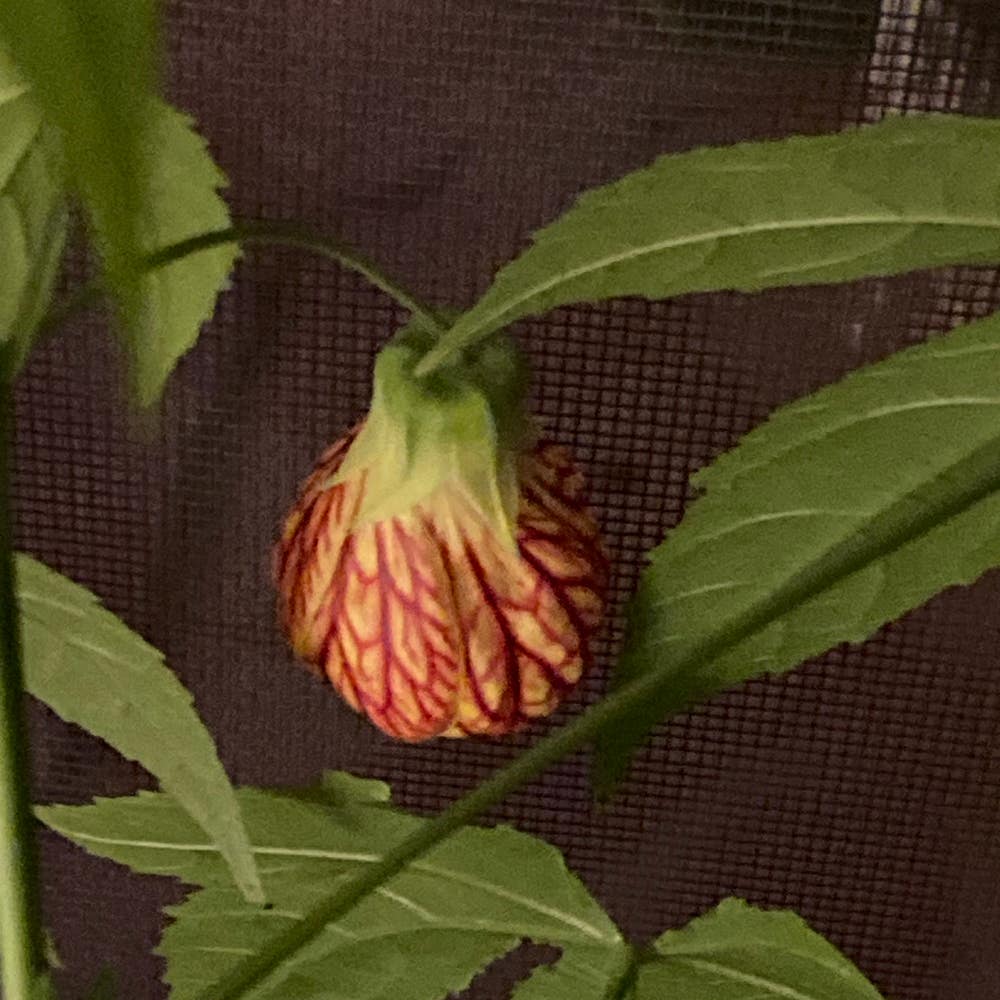
🌼 Step-by-Step Guide to Companion Planting with Abutilon
Abutilon hypoleucum
By the Greg Editorial Team
Nov 22, 2024•6 min read
This article was created with the help of AI so we can cover more plants for you. May contain errors. See one? Report it here.
Cultivate a vibrant garden 🌱 by harnessing the power of companion planting with Abutilon for growth and beauty!
- 🌱 Companion planting with Abutilon boosts growth and pest management through symbiotic relationships.
- 🐞 Marigolds and nasturtiums repel pests while attracting beneficial insects for a healthier garden.
- 🎨 Enhance garden aesthetics by combining colors and textures with strategic companion planting.
Benefits of Companion Planting for Abutilon
Enhancing Growth 🌱
Companion planting with Abutilon creates symbiotic relationships that significantly promote growth. By pairing Abutilon with compatible plants, you can enhance nutrient uptake and overall vigor.
Improving pest management is another key benefit. Companion plants can naturally deter pests, reducing the need for chemical interventions and fostering a healthier garden ecosystem.
In addition to pest control, companion planting increases garden diversity and resilience. A varied plant community can better withstand diseases and environmental stresses, leading to a more robust garden.
Aesthetic benefits also play a crucial role. Thoughtfully arranged companion plants create visually appealing arrangements, making your garden not just functional but also a delightful space to enjoy.
By embracing companion planting, you can cultivate a thriving, beautiful garden that supports both Abutilon and its companions. This approach not only enhances growth but also enriches your gardening experience, paving the way for the next section on the best companion plants to pair with Abutilon.
Best Companion Plants
🌼 Marigold
Description and Benefits
Marigolds are a gardener's best friend, known for their pest-repellent properties. They effectively deter aphids and spider mites, making them a natural ally for Abutilon.
Their bright colors not only enhance the visual appeal of your garden but also thrive in similar light and soil conditions. This compatibility ensures a harmonious growth environment, allowing both plants to flourish together.
🌱 Nasturtium
Description and Benefits
Nasturtiums are fantastic for pest management, attracting beneficial insects while repelling aphids. Their vibrant, edible flowers add culinary value, making them a delightful addition to any garden.
These plants spread well, providing excellent ground cover that helps suppress weeds. Their growth habit complements Abutilon, creating a lush, thriving garden space.
🍃 Coleus
Description and Benefits
Coleus is perfect for those shaded spots in your garden, thriving in partial shade just like Abutilon. Its colorful foliage brings a burst of vibrancy, enhancing the overall visual appeal.
What’s more, coleus has a non-competitive growth habit, ensuring it won’t overshadow your Abutilon. This makes it an ideal companion that supports rather than competes.
🌸 Borage
Description and Benefits
Borage is a powerhouse when it comes to attracting pollinators, which enhances fruit and flower production. Its ability to deter harmful insects like tomato hornworms makes it a valuable companion plant.
Additionally, borage improves soil health with its deep roots, enriching the garden ecosystem. This dual benefit of pest management and soil enhancement makes it a must-have for any gardener.
💜 Lavender
Description and Benefits
Lavender is not just aromatic; it also repels pests while attracting beneficial pollinators. The contrasting colors and textures of lavender flowers add a stunning visual element to your garden.
Moreover, its drought tolerance aligns well with the watering needs of Abutilon. This makes lavender a resilient and beautiful companion that thrives alongside your plants.
As you explore these companion plants, consider how they can enhance both the health and beauty of your garden. Next, we’ll delve into the plants you should avoid to ensure your Abutilon thrives.
Plants to Avoid
🌿 Fennel
Fennel is a beautiful plant, but it comes with a catch. Its allelopathic properties can inhibit the growth of nearby plants, making it a poor companion for Abutilon.
Additionally, fennel competes for nutrients and water, which can negatively impact the health of your garden. If you're aiming for a thriving ecosystem, it's best to steer clear of this herb.
🥔 Potatoes
Potatoes might be a staple in many gardens, but they pose some challenges when planted alongside Abutilon. They are susceptible to similar pests, which can increase the risk of infestations in your garden.
Moreover, potatoes compete for nutrients in the soil, potentially stunting the growth of your Abutilon. For a harmonious garden, consider avoiding these tubers to ensure your plants flourish together.
By being mindful of these plants, you can create a more balanced and productive garden environment. Next, let’s explore how companion plants can enhance pest management strategies.
Pest Management Strategies
🌱 How Companion Plants Help
Companion planting is a powerful strategy for pest management. By strategically placing certain plants together, you can create a natural barrier against pests.
These plants can deter unwanted insects through their scent or chemical properties. For example, some companion plants release compounds that repel pests, reducing the need for chemical pesticides.
🐞 Role of Beneficial Insects
Companion plants also attract beneficial insects, such as ladybugs and lacewings. These helpful allies feed on common garden pests, further enhancing your garden's health.
By fostering a diverse ecosystem, you can create a balanced environment that naturally controls pest populations.
🦗 Specific Pests Targeted
Common pests like aphids and spider mites can wreak havoc on your garden. However, companion planting offers effective solutions to manage these nuisances.
Certain plants, such as marigolds and nasturtiums, are particularly effective at repelling aphids. Their presence can significantly reduce infestations and protect your Abutilon.
Spider mites, another common threat, can also be managed through companion planting. Borage, for instance, not only attracts pollinators but also deters these harmful pests.
By understanding the specific pests that threaten your garden and the companion plants that combat them, you can cultivate a thriving, pest-resistant environment.
This proactive approach to pest management not only protects your plants but also enhances the overall health of your garden. Next, let’s explore how to enhance the visual appeal of your garden through thoughtful plant combinations.
Visual Appeal and Aesthetic Considerations
Color Combinations 🌈
Creating a visually stunning garden with Abutilon starts with thoughtful color pairings. Consider combining the vibrant hues of Abutilon flowers with the sunny yellows and oranges of marigolds for a cheerful display.
For a more subdued palette, pair Abutilon with the rich blues of borage or the soft purples of lavender. These combinations not only enhance visual appeal but also create a harmonious atmosphere in your garden.
Height and Texture Considerations 🌿
Layering plants adds depth and interest to your garden. Position taller companions like borage behind shorter plants such as marigolds to create a dynamic visual effect.
Incorporating a variety of textures is equally important. Combine smooth-leaved plants like coleus with the coarse foliage of nasturtiums to create a rich tapestry that draws the eye and invites exploration.
With these aesthetic considerations, your garden will not only thrive but also become a beautiful retreat. Next, let’s explore how companion plants can effectively manage pests.
⚠️ Safety First
This content is for general information and may contain errors, omissions, or outdated details. It is not medical, veterinary advice, or an endorsement of therapeutic claims.
Always consult a qualified healthcare professional before using any plant as food, medicine, or supplement.
Never eat any plant (or feed one to pets) without confirming its identity with at least two trusted sources.
If you suspect poisoning, call Poison Control (800) 222-1222, the Pet Poison Helpline (800) 213-6680, or your local emergency service immediately.
Spotted an error? Please report it here.
Transform your garden into a thriving paradise 🌼 with Greg's tailored tips for companion planting with Abutilon, ensuring optimal growth and pest control while enhancing beauty!