Getting Your Abutilon to Bloom 🌸
Abutilon hypoleucum
By the Greg Editorial Team
Nov 22, 2024•4 min read
This article was created with the help of AI so we can cover more plants for you. May contain errors. See one? Report it here.
Transform your Abutilon into a blooming beauty 🌸 with these essential tips for vibrant flowers and lush foliage!
- 🌼 Abutilon blooms vibrantly in various colors, resembling delicate lanterns.
- 🌞 Ensure 6-8 hours of light and consistent watering for optimal blooming.
- 🌱 Fertilize every 4-6 weeks to support healthy growth and abundant flowers.
Flowering Status of Abutilon
Clarification on Flower Production 🌸
Abutilon is indeed a flowering plant, celebrated for its striking blooms and vibrant colors. While many varieties are cherished for their beautiful flowers, some are primarily cultivated for their attractive foliage.
Reasons for Non-Flowering 🚫
If your Abutilon isn't blooming, it could be due to environmental stressors. Factors like inadequate light, improper watering, or nutrient deficiencies can hinder flower production.
Additionally, certain Abutilon varieties may naturally have reduced flowering tendencies. Understanding these nuances can help you better care for your plant and encourage those beautiful blooms.
With the right conditions, your Abutilon can thrive and showcase its stunning flowers, adding charm to your space.
Flower Characteristics
🌈 Description of Flower Colors and Structure
Abutilon flowers are a visual delight, showcasing vibrant colors like yellow, orange, red, and pink. These hues often blend beautifully, creating stunning combinations that can brighten any garden.
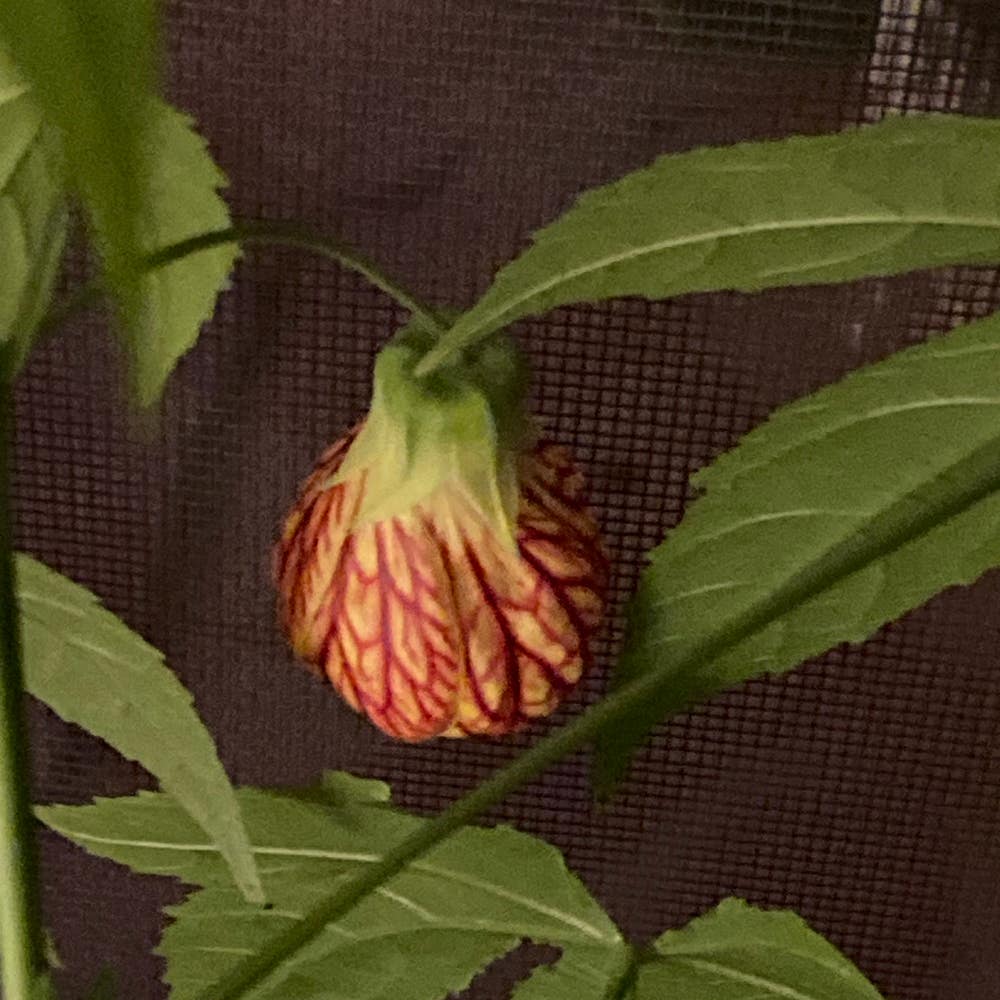
The structure of these flowers is equally captivating. They feature bell-shaped blooms with five petals, resembling delicate lanterns that sway gently in the breeze. This unique shape not only adds charm but also attracts various pollinators.
🐝 Self-Pollination vs. External Pollination
One of the fascinating aspects of Abutilon is its ability to self-pollinate. This means the plant can reproduce without relying on external pollinators, making it resilient in various environments.
However, cross-pollination can enhance the genetic diversity of Abutilon, leading to improved flower quality. This natural strategy allows the plant to thrive and adapt, ensuring a vibrant display of blooms throughout the growing season.
As we explore the blooming process next, we'll uncover how to encourage these beautiful flowers to flourish even more.
Blooming Process
🌸 Blooming Stages and Typical Bloom Time
The blooming process of Abutilon unfolds in distinct stages: bud formation, the opening of petals, and reaching full bloom. Typically, these vibrant flowers bloom from spring to fall, with the potential for year-round flowering if conditions are just right.
⏳ Duration from Bud Formation to Full Bloom
Once buds form, you can expect them to transition to full bloom in about 2-4 weeks. This timeline can vary based on environmental factors like light and temperature.
🌼 Lifespan of Flowers
Individual Abutilon flowers have a lifespan of about 1-2 weeks before they begin to wilt. This brief but beautiful display adds a splash of color to your garden or home.
Understanding the blooming process is essential for any gardener looking to maximize their Abutilon's flowering potential. Next, we'll explore practical tips to encourage these stunning blooms.
Encouraging Blooms
Tips on How to Encourage Abutilon to Bloom 🌼
To get your Abutilon blooming beautifully, start by ensuring it receives adequate sunlight. Aim for 6-8 hours of bright, indirect light daily to stimulate flower production.
Next, focus on consistent watering. The soil should be evenly moist but never waterlogged, as this balance is crucial for healthy growth.
Lastly, don't forget to fertilize regularly. Using a balanced fertilizer every 4-6 weeks during the growing season will provide the nutrients your plant needs to thrive.
Factors Influencing Flowering 🌸
Several factors can influence your Abutilon's ability to bloom. Light is a major player; insufficient light can inhibit blooming, so make sure your plant is well-positioned.
Temperature also matters. Ideal temperatures for Abutilon range from 65°F to 75°F (18°C to 24°C), creating a comfortable environment for flowering.
Finally, consider your watering habits. Both over and under-watering can stress the plant, negatively affecting its flowering potential.
By paying attention to these elements, you can create the perfect conditions for your Abutilon to flourish and produce stunning blooms. Next, let’s explore some unique aspects of this fascinating plant that contribute to its charm.
Unique Aspects
🌼 Unusual Characteristics Related to Flowering or Non-Flowering Nature
Abutilon plants are fascinating not just for their flowers but also for their stunning foliage. Some varieties are cultivated mainly for their unique leaf shapes and colors, which can be just as eye-catching as their blooms.
Another interesting trait is Abutilon's ability to self-pollinate. This characteristic allows the plant to thrive in diverse environments, ensuring it can reproduce even without external pollinators.
🤔 Trivia or Interesting Facts About Abutilon's Reproductive Strategy
Did you know that Abutilon flowers are a favorite among hummingbirds and other pollinators? This attraction enhances their reproductive success, making them a vibrant addition to any garden.
Additionally, the flower meaning of Abutilon often symbolizes beauty and charm. This reflects not only their vibrant appearance but also the joy they bring to those who cultivate them.
As you explore the unique aspects of Abutilon, consider how these traits contribute to its appeal and resilience in various growing conditions. Next, let’s delve into some practical tips for encouraging your Abutilon to bloom beautifully.
⚠️ Safety First
This content is for general information and may contain errors, omissions, or outdated details. It is not medical, veterinary advice, or an endorsement of therapeutic claims.
Always consult a qualified healthcare professional before using any plant as food, medicine, or supplement.
Never eat any plant (or feed one to pets) without confirming its identity with at least two trusted sources.
If you suspect poisoning, call Poison Control (800) 222-1222, the Pet Poison Helpline (800) 213-6680, or your local emergency service immediately.
Spotted an error? Please report it here.
Unlock your Abutilon's blooming potential 🌺 with Greg's tailored care tips and reminders for optimal light, watering, and nutrition!