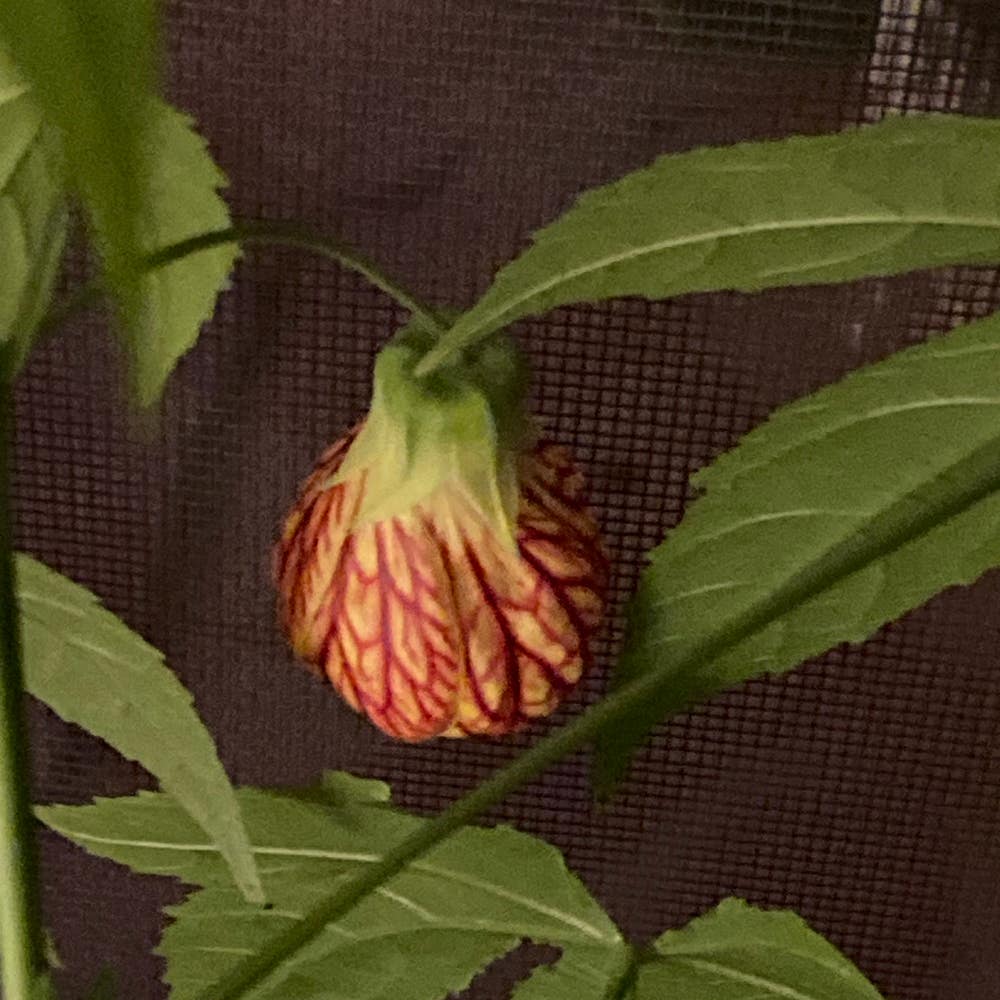
Optimal Temperature for Your Abutilon ☀️
Abutilon hypoleucum
By the Greg Editorial Team
Nov 22, 2024•4 min read
This article was created with the help of AI so we can cover more plants for you. May contain errors. See one? Report it here.
Master temperature care for your Abutilon 🌼 to unlock vibrant blooms and lush foliage all year round!
- 🌡️ Abutilon thrives between 60°F to 75°F for optimal growth and flowering.
- ❄️🔥 Extreme temperatures cause stress; protect your plant from cold and heat.
- 🏡 Stable indoor conditions and proper placement ensure healthy Abutilon year-round.
Temperature Requirements
Ideal Temperature Range 🌡️
For your Abutilon to thrive, aim for an optimal temperature between 60°F to 75°F (15°C to 24°C). While these plants can tolerate brief excursions to 50°F (10°C) and even up to 85°F (29°C), consistent warmth is crucial for robust growth and vibrant flowering.
Temperature Variations for Indoor vs. Outdoor 🏠
When it comes to indoor care, maintaining that stable temperature range is key. Be mindful of drafts from windows and doors, as these can disrupt the cozy environment your plant craves.
For outdoor settings, Abutilon shines best in USDA hardiness zones 9-11. It's essential to protect them from sudden temperature drops, especially during the chilly night hours, to ensure they remain healthy and happy.
By understanding these temperature requirements, you can create the perfect environment for your Abutilon, setting the stage for flourishing blooms and lush foliage. Next, let’s explore the symptoms of temperature stress that can affect your plant.
Temperature Stress Symptoms
Signs of Cold Stress ❄️
Cold stress can be a real concern for your Abutilon. One of the first signs is wilting leaves, which appear limp and droopy, signaling that your plant is struggling.
Another indicator is leaf drop, where the plant prematurely sheds its lower leaves. You might also notice discoloration, with leaves turning yellow or brown at the edges, a clear cry for help from your plant.
Signs of Heat Stress 🔥
On the flip side, heat stress presents its own set of symptoms. Similar to cold stress, wilting occurs, but here, you may also see crispy edges on the leaves, indicating excessive heat exposure.
Leaf drop is common during peak heat, with the plant shedding more leaves than usual. Additionally, you might observe reduced flowering, where blooms are fewer or smaller than what you typically expect, signaling that your Abutilon is feeling the heat.
Recognizing these symptoms early can help you take action to protect your plant. Next, let’s explore the causes of temperature stress and how to keep your Abutilon thriving.
Causes of Temperature Stress
🌬️ Environmental Factors
Temperature stress in Abutilon can often be traced back to environmental factors. Sudden temperature changes, like a quick drop from warm to cold, can shock your plant and lead to distress.
Prolonged exposure to extreme temperatures is another culprit. If your Abutilon spends too long below 50°F (10°C) or above 85°F (29°C), it can suffer significantly.
Additionally, poor air circulation can worsen temperature extremes. Stagnant air traps heat or cold around the plant, making it harder for your Abutilon to thrive.
🌦️ Seasonal Fluctuations
Seasonal fluctuations also play a significant role in temperature stress. Winter cold snaps can bring frost damage, which is particularly harmful to sensitive plants like Abutilon.
On the flip side, summer heat waves pose their own risks. Dehydration and sunburn on leaves can occur when temperatures soar, leaving your plant looking less than its best.
Understanding these factors is crucial for maintaining the health of your Abutilon. By being aware of the environmental and seasonal challenges, you can take proactive steps to protect your plant from temperature stress.
Next, let’s explore the symptoms that indicate your Abutilon may be experiencing temperature stress.
Temperature Management Strategies
Indoor Temperature Maintenance 🌡️
Maintaining the right indoor temperature for your Abutilon is crucial for its health. Aim to keep the temperature between 60°F to 75°F (15°C to 24°C) using thermostats to monitor and adjust as needed.
Position your plant near windows that receive indirect sunlight, but be cautious of drafts. Regularly check the temperature with a thermometer to ensure your plant is thriving in its ideal environment.
Outdoor Protection Strategies 🏖️
When it comes to outdoor care, protecting your Abutilon from temperature extremes is essential. During peak summer heat, provide shade using shade cloth or taller plants to shield it from harsh sunlight.
On chilly nights, cover your plants with frost cloths or blankets to insulate them from the cold. If you have containerized Abutilon, consider relocating pots to sheltered areas during extreme weather to safeguard them from temperature stress.
By implementing these temperature management strategies, you can help your Abutilon flourish in both indoor and outdoor settings. Next, let’s explore the symptoms of temperature stress to ensure your plant remains healthy and vibrant.
⚠️ Safety First
This content is for general information and may contain errors, omissions, or outdated details. It is not medical, veterinary advice, or an endorsement of therapeutic claims.
Always consult a qualified healthcare professional before using any plant as food, medicine, or supplement.
Never eat any plant (or feed one to pets) without confirming its identity with at least two trusted sources.
If you suspect poisoning, call Poison Control (800) 222-1222, the Pet Poison Helpline (800) 213-6680, or your local emergency service immediately.
Spotted an error? Please report it here.
Keep your Abutilon flourishing by ensuring it enjoys the ideal temperature 🌞 of 60°F to 75°F, and let Greg guide you with tailored care tips and reminders for optimal growth!