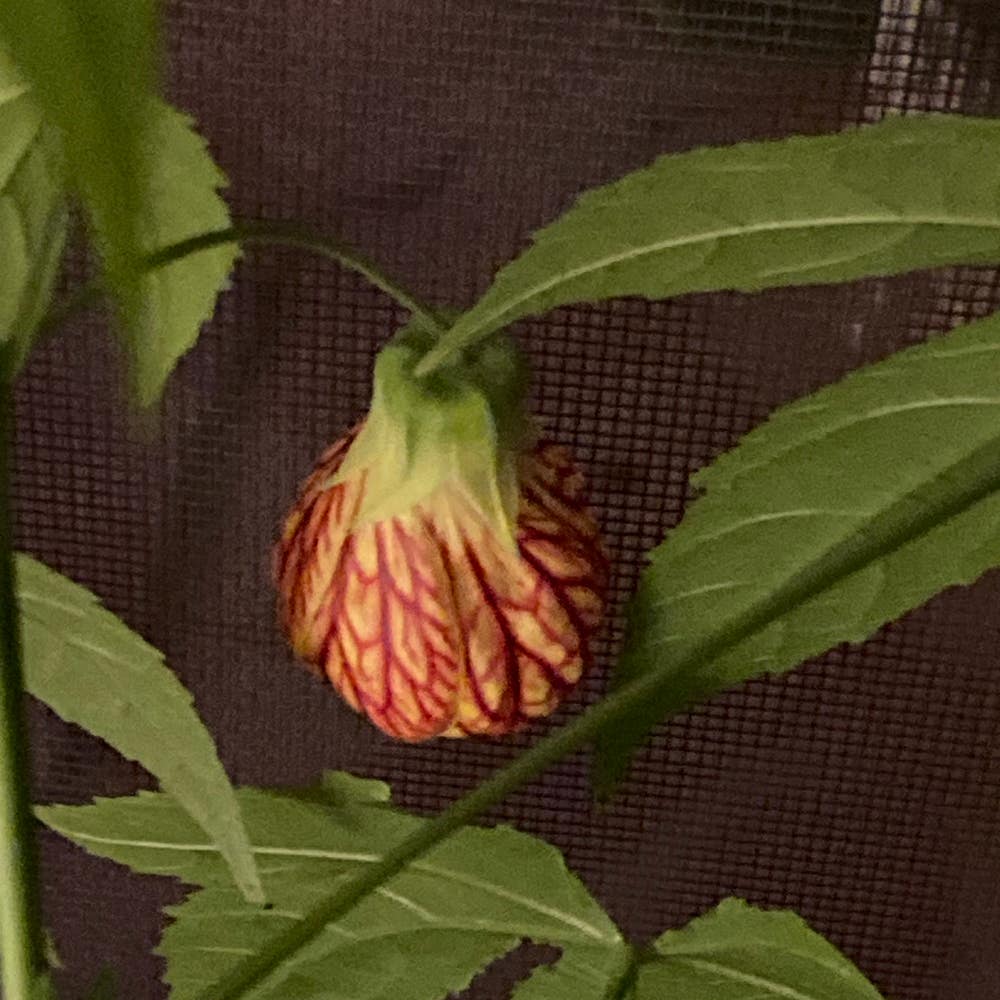
Best Climate for Abutilon: Zones 8a-11b ☀️
Abutilon hypoleucum
By the Greg Editorial Team
Nov 22, 2024•5 min read
This article was created with the help of AI so we can cover more plants for you. May contain errors. See one? Report it here.
Unlock the secret to thriving Abutilon plants 🌼 by mastering their temperature needs and ideal microclimate conditions!
- 🌡️ Abutilon thrives in USDA Zones 8a-11b, ideal for warmer climates.
- ❄️ Protect from frost using cloths or moving potted plants to sheltered areas.
- 🌞💧 Ensure adequate water and shade during heat stress for optimal growth.
Temperature Tolerance
❄️ Cold Tolerance
Abutilon can tolerate minimum temperatures as low as 20°F (-6°C). However, it is sensitive to cold snaps and frost damage, which can severely affect its health.
To protect your Abutilon during the colder months, consider using frost cloths or moving potted plants to sheltered areas. These measures can help mitigate the impact of unexpected cold weather.
🔥 Heat Tolerance
For optimal growth, Abutilon prefers temperatures above 50°F (10°C). While it can handle higher temperatures, prolonged heat stress may hinder its performance.
In high heat, ensure your plants receive adequate water and shade to thrive. This will help maintain their vigor and prevent wilting.
🌡️ Specific Temperature Ranges
The ideal temperature range for Abutilon growth is between 50°F and 90°F (10°C to 32°C). Staying within this range promotes healthy flowering and vibrant foliage.
Temperature fluctuations outside this range can lead to stress, affecting both the plant's blooms and overall health. Keeping an eye on local weather patterns can help you anticipate and manage these changes effectively.
Ideal Regions for Growing
🌍 Examples of US States in Zones 8a-11b
Abutilon thrives in several states across the U.S., particularly in Zones 8a to 11b. Notable states include California, Florida, Texas, and parts of the Southeast, where the climate is generally warm and conducive to growth.
In California, regions like Southern California and the coastal areas provide ideal conditions. Florida's subtropical climate, especially in the southern parts, also supports vibrant Abutilon growth. Texas, particularly in the southern regions, offers a warm environment, while the Southeast boasts areas with ample sunlight and low frost risk.
☀️ Factors Contributing to Ideal Conditions
The success of Abutilon in these regions can be attributed to several key climate characteristics. Warm temperatures, minimal frost risk, and abundant sunlight create a perfect environment for these plants to flourish.
Additionally, the soil conditions play a crucial role. Well-draining soil with adequate moisture levels is essential for healthy growth. These factors combined ensure that Abutilon can thrive and produce beautiful blooms.
🌎 Comparison of Different Regions
While Abutilon can grow well in many areas, climate conditions can vary significantly across states and regions. For instance, coastal areas may experience milder temperatures compared to inland regions, which can be hotter.
Local factors such as elevation and proximity to bodies of water also influence growth. Higher elevations may have cooler temperatures, while areas near water can benefit from moderated temperatures, creating a more favorable microclimate for Abutilon. Understanding these nuances can help gardeners select the best locations for their plants.
As we explore the impact of microclimates next, you'll discover how localized conditions can further enhance your Abutilon gardening experience.
Microclimates and Their Impact
🌦️ Definition and Creation of Microclimates
Microclimates are localized climate variations that differ from the surrounding area. They can be influenced by various factors, including topography, buildings, and bodies of water.
🌱 Extending Growing Range
Microclimates can create warmer conditions, allowing plants like Abutilon to thrive even in less-than-ideal climates. Urban settings or sheltered gardens often benefit from these unique conditions, providing a perfect haven for growth.
🌍 Examples of Favorable Microclimates
Certain locations are renowned for their favorable microclimates that support Abutilon cultivation. For instance, coastal areas often enjoy milder temperatures, while south-facing slopes can trap heat, creating ideal environments for these vibrant plants.
In urban environments, rooftop gardens and patios can serve as excellent microclimates. These spaces often receive more sunlight and warmth, making them perfect for growing Abutilon successfully.
As you explore the potential of microclimates, consider how they can enhance your gardening experience. Understanding these localized conditions can help you maximize your Abutilon’s growth potential, leading to a flourishing garden.
With a solid grasp of microclimates, let’s delve into the specific states where Abutilon can thrive best.
State-Level Suitability
🌞 Suitable States (Zones 8a-11b)
Abutilon thrives in several states across the U.S., particularly in warmer climates. Here’s a quick rundown of the most suitable states for growing this vibrant plant:
- California: Known for its Mediterranean climate, California offers warm temperatures and plenty of sunshine, making it ideal for Abutilon.
- Florida: With its tropical climate, Florida provides the warmth and humidity that Abutilon loves, allowing for lush growth year-round.
- Texas: The diverse climate ranges from humid to arid, but many regions in Texas, especially the southern parts, are perfect for Abutilon cultivation.
- Louisiana: The warm, humid conditions in Louisiana create a favorable environment for Abutilon to flourish.
- Southeast States: States like Georgia and South Carolina also provide the warm temperatures and ample sunlight that support healthy Abutilon growth.
❄️ Unsuitable States and Challenges
While Abutilon is a resilient plant, some states present challenges that make cultivation difficult. Northern states, such as:
- Maine
- North Dakota
- Montana
These areas experience colder winters and significant frost risks, which can hinder Abutilon’s growth.
⚠️ Specific Challenges in Unsuitable States
In unsuitable states, gardeners face several hurdles. Cold winters can lead to frost damage, while late frosts can catch budding plants off guard.
Additionally, the short growing season limits the time available for Abutilon to thrive.
For those in these challenging climates, consider using containers to move plants indoors during harsh weather or selecting more cold-hardy varieties.
With some creativity and care, even gardeners in less-than-ideal conditions can enjoy the beauty of Abutilon.
As we explore the next section, let’s dive into how microclimates can further influence the growing conditions for this stunning plant.
⚠️ Safety First
This content is for general information and may contain errors, omissions, or outdated details. It is not medical, veterinary advice, or an endorsement of therapeutic claims.
Always consult a qualified healthcare professional before using any plant as food, medicine, or supplement.
Never eat any plant (or feed one to pets) without confirming its identity with at least two trusted sources.
If you suspect poisoning, call Poison Control (800) 222-1222, the Pet Poison Helpline (800) 213-6680, or your local emergency service immediately.
Spotted an error? Please report it here.
Grow your Abutilon flourishingly 🌼 with Greg's tailored care tips and reminders, ensuring it thrives in any climate!