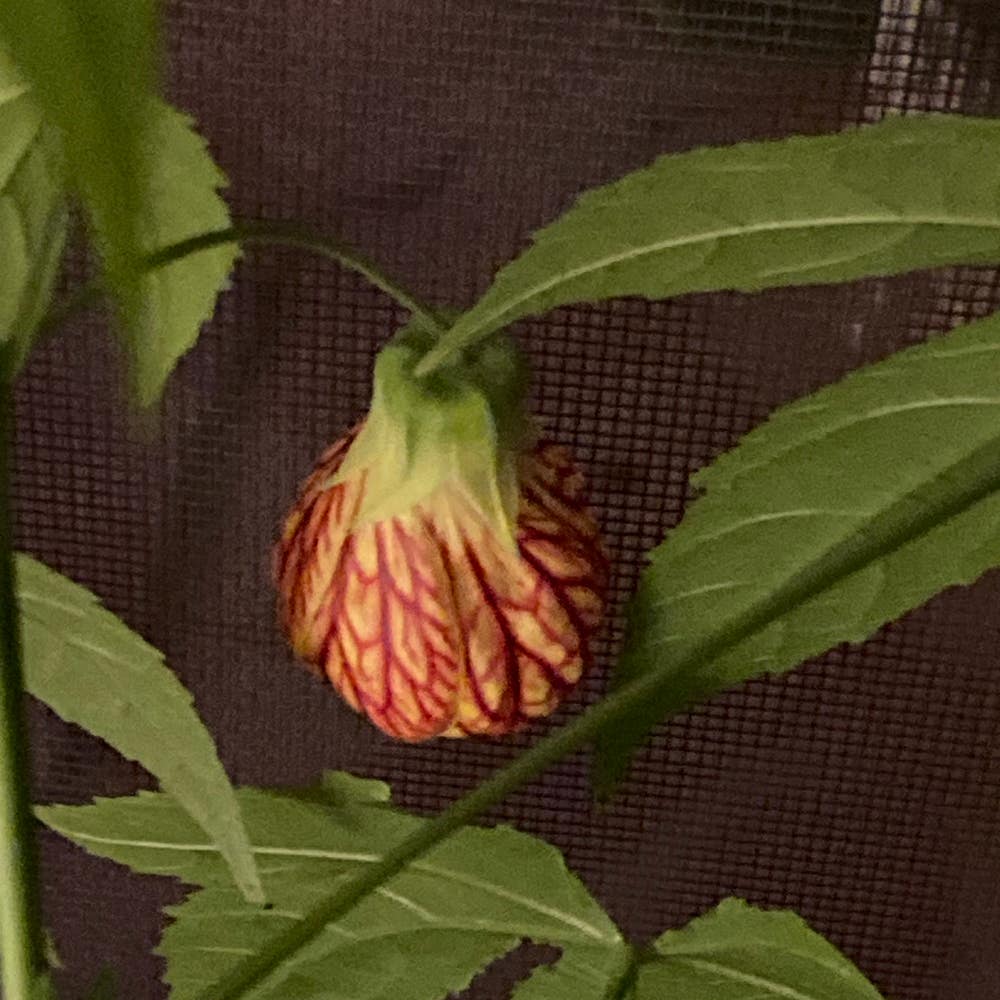
Ultimate Guide for When to Plant Abutilon ⛏️
Abutilon hypoleucum
By the Greg Editorial Team
Nov 22, 2024•5 min read
This article was created with the help of AI so we can cover more plants for you. May contain errors. See one? Report it here.
Unlock your garden's potential by mastering frost dates 🌱 to protect your plants and ensure a vibrant growing season! 🌼
- 🌱 Know frost dates to plant Abutilon safely and avoid frost damage.
- 🌡️ Optimal soil temperature for planting is 65°F to 75°F (18°C to 24°C).
- ☀️ Abutilon needs 12-14 hours of light for healthy growth and blooming.
Frost Dates and Their Importance
🌨️ Determining Frost Dates
Frost dates are crucial for gardeners, marking the last frost in spring and the first frost in fall. Understanding these dates helps you avoid frost damage to young plants, ensuring a healthy start to your gardening season.
Knowing your area's frost dates allows you to plan your planting schedule effectively. This knowledge is essential for protecting delicate seedlings from unexpected cold snaps that could stunt their growth or kill them outright.
❄️ Why Frost Dates Matter
Planting too early can expose your young plants to frost, leading to wilting or death. Conversely, waiting too long can limit your growing season, especially for heat-loving plants like Abutilon.
By tracking frost dates, you can optimize your planting times. This proactive approach not only enhances plant health but also boosts your gardening success, allowing you to enjoy a vibrant garden throughout the growing season.
Understanding frost dates is just the beginning. Next, let’s explore how soil temperature plays a vital role in your planting strategy.
Soil Temperature Considerations
Ideal Soil Temperature 🌡️
For successful planting of Abutilon, soil temperature is crucial. The optimal range for planting is between 65°F to 75°F (18°C to 24°C), as this temperature promotes healthy seed germination and robust root development.
When soil temperatures fall below this range, seeds may struggle to sprout, leading to poor growth. Conversely, excessively high temperatures can stress young plants, making it essential to monitor conditions closely.
Measuring Soil Temperature 🌍
To ensure your soil is at the right temperature, use a soil thermometer. Insert the probe 2-4 inches deep into the soil to get an accurate reading.
Timing is everything; wait for consistent ideal soil temperatures before planting. This patience pays off, as it sets the stage for thriving Abutilon plants.
With the right soil temperature in check, you're one step closer to a flourishing garden. Next, let’s explore how day length influences the growth of your plants.
Day Length and Growth
Day Length Requirements 🌞
Understanding photoperiodism is essential for successful Abutilon growth. This biological phenomenon refers to how plants respond to the length of day and night, influencing their flowering and overall growth.
For Abutilon, the ideal day length for blooming is between 12 to 14 hours of light. This range encourages vibrant flowers and healthy foliage, making it crucial to plan your planting schedule accordingly.
Impact on Flowering 🌸
When days are shorter than 12 hours, Abutilon may struggle to produce blooms. Conversely, providing more than 14 hours of light can lead to excessive growth at the expense of flowering.
To optimize your plant's performance, consider using grow lights if natural sunlight is insufficient. This ensures your Abutilon receives the right amount of light to thrive.
Seasonal Considerations 🍂
As seasons change, so does the length of daylight. In spring and summer, days naturally extend, creating an ideal environment for Abutilon to flourish.
Keep an eye on local day length variations to time your planting perfectly. This attention to detail can significantly enhance your gardening success.
With a solid understanding of day length and its effects on growth, you're well on your way to cultivating beautiful Abutilon plants. Next, let's explore the regional planting timing to ensure your plants get the best start possible.
Regional Planting Timing
Ideal Planting Months 🌱
When it comes to planting Abutilon, timing is everything. Each region has its unique climate, influencing the best months for planting.
Florida: March to April
In Florida, the warm climate allows for an early start. Aim to plant Abutilon from March to April for optimal growth.
California: March to May
California's diverse climate means you can plant from March to May. This window gives your plants a chance to thrive in the sunny conditions.
Texas: March to April
Texas gardeners should also target March to April. The warmer temperatures during this period are perfect for establishing young plants.
New York: Late May to June
In New York, wait until late May to June. This timing ensures that the risk of frost has passed, allowing your Abutilon to flourish.
Colorado: June
Colorado's cooler climate means June is the ideal month for planting. By this time, the soil has warmed up enough for successful growth.
Ohio: Late May to June
Similar to New York, Ohio gardeners should plant Abutilon from late May to June. This timing helps avoid any late spring frosts.
Understanding these regional planting times is crucial for successful Abutilon cultivation. With the right timing, you can enjoy vibrant blooms and healthy plants throughout the growing season.
Next, let’s explore the differences between starting seeds indoors and direct sowing for Abutilon.
Seed Starting vs. Direct Sowing
🌱 Starting Seeds Indoors
Starting seeds indoors offers several advantages. It extends your growing season and allows for better control over environmental conditions.
To maximize your success, aim to start your Abutilon seeds 6-8 weeks before the last frost. This timing gives your plants a head start, ensuring they are robust and ready to thrive once they are transplanted outdoors.
🌍 Direct Sowing Timing
Direct sowing is another viable option for planting Abutilon. This method should be done after the last frost and when soil temperatures reach optimal levels.
Before sowing, ensure your soil is well-prepared and has adequate moisture. Healthy soil conditions are crucial for the successful establishment of your plants.
⏰ Specific Timing for Abutilon Seeds
When it comes to germination, Abutilon seeds typically sprout within 7-14 days under ideal conditions.
These seedlings thrive in bright, indirect light, which is essential for their early growth. Providing the right light will set the stage for strong, healthy plants.
With these strategies in mind, you can confidently choose between starting seeds indoors or direct sowing. Each method has its benefits, and understanding your local conditions will help you make the best choice for your Abutilon garden.
Next, let’s explore the ideal planting months based on regional climates to further refine your planting strategy.
⚠️ Safety First
This content is for general information and may contain errors, omissions, or outdated details. It is not medical, veterinary advice, or an endorsement of therapeutic claims.
Always consult a qualified healthcare professional before using any plant as food, medicine, or supplement.
Never eat any plant (or feed one to pets) without confirming its identity with at least two trusted sources.
If you suspect poisoning, call Poison Control (800) 222-1222, the Pet Poison Helpline (800) 213-6680, or your local emergency service immediately.
Spotted an error? Please report it here.
Plant your Abutilon at the perfect time 🌱 with Greg's tailored reminders and tips to ensure they thrive and bloom beautifully!