5 Perfect Times to Plant Indian Mallow 🌼
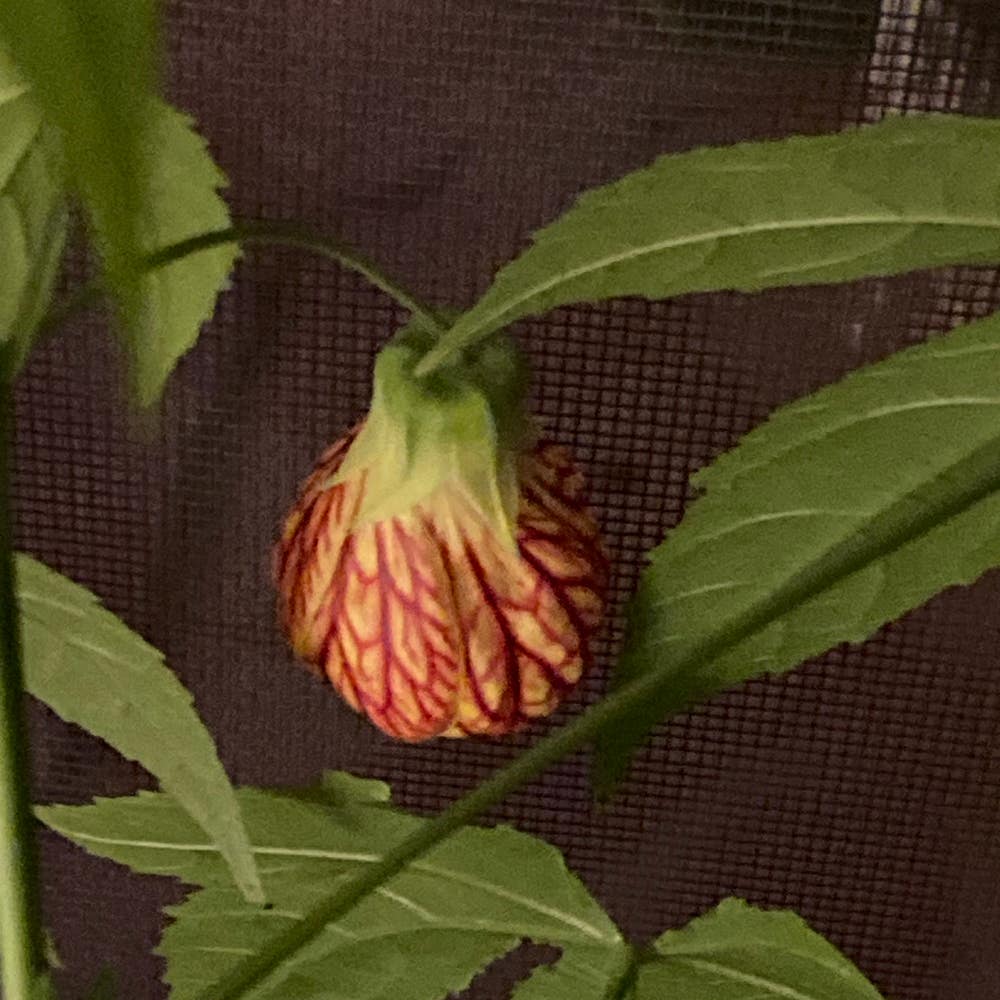
Abutilon malacum
By the Greg Editorial Team
Nov 22, 2024•13 min read
This article was created with the help of AI so we can cover more plants for you. May contain errors. See one? Report it here.
Unlock a flourishing Indian Mallow garden 🌼 by mastering frost dates and soil temperature for optimal growth! 🌱
- 🌱 Know frost dates to plant Indian Mallow safely and avoid damage.
- 🌞 Ideal soil temperature for germination is 65°F to 75°F (18°C to 24°C).
- 📅 Planting months vary by region; check local guidelines for best results.
Frost Dates and Their Importance
🌡️ Determining Frost Dates
Understanding frost dates is crucial for successful gardening. The last frost date in spring marks when you can safely plant without the risk of frost damage, while the first frost date in fall signals when to prepare for colder weather.
Planting Indian Mallow too early can expose young plants to frost, leading to stunted growth or even death. Knowing these dates helps you time your planting perfectly, ensuring your garden flourishes.
By keeping an eye on local frost dates, you can maximize your chances of a vibrant Indian Mallow display. This knowledge not only protects your plants but also enhances your gardening experience.
With frost dates in mind, you’re ready to dive deeper into other essential factors for planting Indian Mallow.
Soil Temperature Considerations
Ideal Soil Temperature for Germination 🌱
For Indian Mallow to thrive, the soil temperature should ideally be between 65°F to 75°F (18°C to 24°C). This temperature range is crucial for optimal seed germination and robust plant health.
Soil temperature plays a significant role in how quickly and effectively seeds germinate. If the soil is too cold, germination can be delayed, leading to weak plants that struggle to establish themselves.
Why Soil Temperature Matters 📈
Understanding the importance of soil temperature can make or break your gardening success. When soil temperatures are within the optimal range, seeds germinate faster and plants grow stronger, resulting in a vibrant garden.
Conversely, planting in soil that is too cool can lead to poor germination rates and stunted growth. This can be particularly frustrating for gardeners eager to see their Indian Mallow flourish.
Tips for Monitoring Soil Temperature 🌡️
To ensure your soil is at the right temperature, consider using a soil thermometer. This simple tool can help you gauge the warmth of your soil before planting.
Additionally, you can warm the soil by covering it with black plastic for a few days before planting. This technique traps heat from the sun, creating a cozy environment for your seeds.
Transitioning to Planting Techniques 🚀
Now that you understand the significance of soil temperature, let’s explore the best seed starting techniques. Knowing when and how to start your seeds can set you up for a successful growing season.
Day Length and Growth
Day Length Requirements 🌞
Indian Mallow, known for its vibrant blooms, thrives under specific daylight conditions. The length of daylight significantly influences its flowering, making it essential to understand how this plant responds to varying light levels.
Ideal Conditions for Flowering 🌼
For optimal growth, Indian Mallow flourishes with longer days, ideally exceeding 14 hours of sunlight. This extended exposure encourages robust flowering and enhances the overall health of the plant, leading to a more vibrant garden display.
Practical Tips for Maximizing Growth 🌱
To ensure your Indian Mallow reaches its full potential, consider the following:
- Monitor Daylight: Track the length of daylight in your area, especially during the growing season.
- Choose the Right Time: Plant your seeds or seedlings when you can guarantee longer days to maximize flowering potential.
Understanding the relationship between day length and growth can transform your gardening experience. By aligning your planting schedule with these light conditions, you can enjoy a flourishing display of Indian Mallow blooms.
As you prepare for planting, remember that soil temperature and frost dates also play crucial roles in your garden's success. Let's explore how these factors can influence your planting strategy.
Regional Planting Considerations
Ideal Planting Months 🌱
When it comes to planting Indian Mallow, timing is everything. Each region has its own ideal months for sowing seeds to ensure healthy growth.
Florida: March to April
In Florida, the warm climate allows for an early start. Planting Indian Mallow between March and April takes advantage of the mild spring temperatures.
California: March to May
California's diverse climate means a slightly longer window. From March to May, gardeners can plant Indian Mallow, ensuring it thrives in the sunny conditions.
Texas: March to April
Texas gardeners should aim for the same timeframe as Florida. March to April is optimal for planting Indian Mallow, allowing the plants to establish before the summer heat.
New York: Late May to Early June
In New York, the colder climate shifts the planting schedule. Late May to early June is the sweet spot for sowing seeds, ensuring they avoid any lingering frost.
Colorado: June
Colorado's unique weather patterns mean a later planting time. June is the best month to plant Indian Mallow, allowing the soil to warm sufficiently for germination.
Ohio: Late May to Early June
Similar to New York, Ohio gardeners should wait until late May to early June. This timing helps protect young plants from frost while giving them a chance to flourish.
Understanding these regional planting considerations is crucial for successful gardening. By choosing the right months, you can set your Indian Mallow up for a vibrant growing season.
As we move forward, let’s explore effective seed starting techniques to ensure your plants get the best possible start.
Seed Starting Techniques
🌱 Starting Seeds Indoors: Timing and Tips
Starting seeds indoors is a fantastic way to get a jump on the growing season. Aim to start your Indian Mallow seeds 6-8 weeks before the last frost date to give them a strong head start.
For the best results, use seed trays filled with a quality seed-starting mix. Keep the soil temperature around 70°F (21°C) to create an ideal environment for germination.
Once your seedlings are ready, it's time to transplant them outdoors. Wait until after the last frost and ensure that soil temperatures are suitable for their growth.
🌍 Direct Sowing: Best Practices and Timing
Direct sowing is another effective method for planting Indian Mallow. Timing is crucial; sow your seeds after the last frost date when the soil temperatures are consistently warm.
Before planting, prepare your soil to ensure it drains well. If needed, amend it with compost to enrich the nutrients.
When it comes to planting depth, sow the seeds about 1/4 inch deep. Keep the soil moist until germination to ensure your seeds have the best chance of sprouting.
With these seed starting techniques, you're well on your way to cultivating vibrant Indian Mallow plants. Next, let’s explore the comprehensive planting guide tailored for all 52 states, ensuring you know exactly when to plant in your region.
Comprehensive Planting Guide
🌱 Planting Times for All 52 States
When it comes to planting Indian Mallow, timing is everything. Here’s a state-by-state breakdown to help you get it right.
| State | Ideal Planting Time |
|---|---|
| Alaska | June |
| Alabama | March to April |
| Arkansas | March to April |
| Arizona | March to April |
| California | March to May |
| Colorado | June |
| Connecticut | Late May to early June |
| Delaware | Late May to early June |
| Florida | March to April |
| Georgia | March to April |
| Hawaii | Year-round |
| Idaho | June |
| Illinois | Late May to early June |
| Indiana | Late May to early June |
| Iowa | Late May to early June |
| Kansas | April to May |
| Kentucky | Late May to early June |
| Louisiana | March to April |
| Maine | June |
| Maryland | Late May to early June |
| Massachusetts | Late May to early June |
| Michigan | Late May to early June |
| Minnesota | June |
| Mississippi | March to April |
| Missouri | April to May |
| Montana | June |
| Nebraska | Late May to early June |
| Nevada | March to April |
| New Hampshire | June |
| New Jersey | Late May to early June |
| New Mexico | March to April |
| New York | Late May to early June |
| North Carolina | March to April |
| North Dakota | June |
| Ohio | Late May to early June |
| Oklahoma | March to April |
| Oregon | April to May |
| Pennsylvania | Late May to early June |
| Rhode Island | Late May to early June |
| South Carolina | March to April |
| South Dakota | June |
| Tennessee | March to April |
| Texas | March to April |
| Utah | April to May |
| Vermont | June |
| Virginia | March to April |
| Washington | April to May |
| West Virginia | Late May to early June |
| Wisconsin | June |
| Wyoming | June |
This guide provides a clear timeline for when to plant Indian Mallow across the United States. By following these recommendations, you can ensure that your plants thrive in their respective climates.
Next, let’s explore seed starting techniques to maximize your planting success!
⚠️ Safety First
This content is for general information and may contain errors, omissions, or outdated details. It is not medical, veterinary advice, or an endorsement of therapeutic claims.
Always consult a qualified healthcare professional before using any plant as food, medicine, or supplement.
Never eat any plant (or feed one to pets) without confirming its identity with at least two trusted sources.
If you suspect poisoning, call Poison Control (800) 222-1222, the Pet Poison Helpline (800) 213-6680, or your local emergency service immediately.
Spotted an error? Please report it here.
Maximize your Indian Mallow blooms 🌼 by using Greg's tailored reminders for optimal planting times and soil temperature tracking, ensuring your garden thrives with every season!