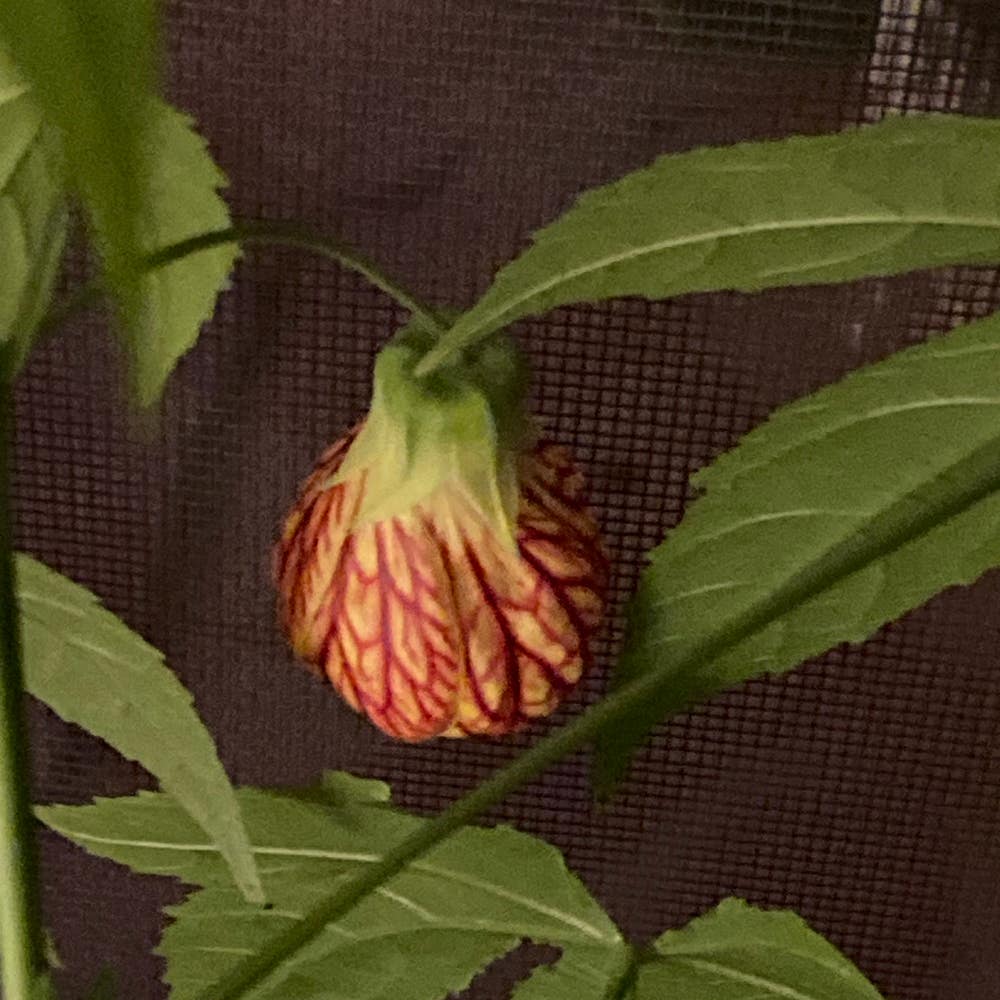
Best Companion Plants for Indian Mallow 🤝
Abutilon malacum
By the Greg Editorial Team
Nov 22, 2024•5 min read
This article was created with the help of AI so we can cover more plants for you. May contain errors. See one? Report it here.
Elevate your garden's health and beauty 🌼 by discovering the best companion plants for Indian Mallow!
- 🌱 Indian Mallow thrives with companions needing similar care, like well-drained soil.
- 🌼 Marigolds deter pests and attract pollinators, enhancing Indian Mallow's growth.
- 🦋 Zinnias attract beneficial insects and beautify your garden alongside Indian Mallow.
Best Companion Plants for Indian Mallow
🌼 Description of Suitable Companion Plants
Marigold
Marigolds are known for their bright yellow and orange flowers, which add a cheerful splash of color to any garden. Their strong scent is not just pleasant; it also deters nematodes and aphids while attracting beneficial pollinators.
Basil
Basil is an aromatic herb with lush green leaves that can elevate both your garden and your kitchen. This herb not only repels flies and mosquitoes but also enhances the flavor of nearby plants, making it a must-have companion.
Zinnias
Zinnias are colorful, hardy flowering plants that bring vibrancy to your garden. They attract butterflies and beneficial insects while complementing the height of Indian Mallow, creating a visually appealing landscape.
Nasturtium
Nasturtiums feature edible flowers and leaves with a peppery taste, adding both beauty and utility to your garden. They act as a trap crop for aphids and provide ground cover that helps retain moisture, making them a valuable companion.
🌱 Explanation of Why These Plants Thrive with Indian Mallow
These companion plants thrive alongside Indian Mallow due to their similar care needs; all prefer well-drained soil and warm climates. The taller Indian Mallow provides structural support for shorter companions, while their combined presence enhances pollinator attraction, fostering a vibrant ecosystem that supports biodiversity.
🐞 Pest Management with Companion Plants
Role of Companion Plants in Pest Management
Companion plants play a crucial role in natural pest management by deterring harmful insects. Integrating these plants into your garden planning can create a more resilient and balanced ecosystem.
Specific Pest-Repellent Properties
Marigolds are particularly effective at deterring nematodes and aphids through their scent. Basil, on the other hand, repels flies and mosquitoes, significantly reducing pest pressure in your garden.
Examples of Pests That Can Be Deterred
Common pests like aphids, whiteflies, and spider mites can be effectively deterred by these companion plants. By disrupting the life cycles of these pests, companion plants help maintain a healthier garden environment.
Incorporating these companion plants not only enhances the health of your Indian Mallow but also contributes to a more vibrant and pest-resistant garden. Next, we will explore how these plants can enhance the visual appeal of your garden.
Visual Appeal and Aesthetic Considerations
How Companion Plants Enhance Visual Appeal 🌼
Companion plants can dramatically elevate the visual appeal of your garden. Pairing vibrant flowers like marigolds and zinnias creates a stunning tapestry of color that draws the eye and invites exploration.
The contrast in textures also plays a crucial role. The soft, lush leaves of basil and nasturtium provide a gentle backdrop to the bold foliage of Indian Mallow, creating a dynamic and inviting landscape.
Color and Texture Combinations 🎨
To create visually appealing arrangements, consider mixing colors and textures thoughtfully. For instance, the bright yellows and oranges of marigolds can be beautifully offset by the deep greens of basil, enhancing the overall aesthetic.
Planning for seasonal changes is essential too. As plants bloom and fade, ensure your garden maintains interest by incorporating varieties that offer different colors and textures throughout the year. This thoughtful approach keeps your garden vibrant and engaging, no matter the season.
By carefully selecting companion plants, you not only boost the health of your Indian Mallow but also create a visually stunning environment that celebrates nature's beauty.
Plants to Avoid Near Indian Mallow
🚫 List of Incompatible Plants
When planning your garden, it's crucial to know which plants to steer clear of. The cabbage family, including broccoli and kale, are heavy feeders that can compete with Indian Mallow for essential nutrients and water.
❌ Explanation of Why These Plants Are Incompatible
Incompatibility arises not just from competition but also from the potential for increased pest attraction. Heavy feeders can draw pests that may spread diseases, negatively impacting the growth and health of your Indian Mallow.
Understanding these dynamics helps you create a thriving garden ecosystem. By avoiding these incompatible plants, you can ensure that your Indian Mallow flourishes alongside its ideal companions.
Summary of Companion Planting Benefits
Incorporating companion plants with Indian Mallow offers a multitude of advantages. These plants not only enhance growth but also create a thriving ecosystem in your garden.
🐞 Improved Pest Management
One of the primary benefits is improved pest management. Companion plants like marigold and basil naturally deter harmful insects, reducing the need for chemical pesticides. This organic approach promotes a healthier garden environment.
🌼 Boosting Biodiversity
Additionally, companion planting boosts biodiversity. By attracting beneficial insects and pollinators, such as butterflies and bees, you create a vibrant habitat that supports various life forms. This diversity can lead to better yields and a more resilient garden.
🎨 Aesthetic Appeal
Another advantage is the aesthetic appeal. Combining the bright colors of flowers like zinnias and marigolds with the lush greenery of herbs creates a visually stunning landscape. Thoughtful arrangements can transform your garden into a feast for the eyes.
🔍 Exciting Discoveries
Lastly, exploring different plant combinations can lead to exciting discoveries. Each pairing offers unique benefits, so don’t hesitate to experiment. The journey of companion planting is as rewarding as the results, encouraging you to engage with nature and learn along the way.
As you consider your garden layout, remember the potential of companion plants. They not only support the health of Indian Mallow but also elevate the overall beauty and functionality of your garden. Embrace the possibilities and enjoy the process of creating a flourishing green space.
⚠️ Safety First
This content is for general information and may contain errors, omissions, or outdated details. It is not medical, veterinary advice, or an endorsement of therapeutic claims.
Always consult a qualified healthcare professional before using any plant as food, medicine, or supplement.
Never eat any plant (or feed one to pets) without confirming its identity with at least two trusted sources.
If you suspect poisoning, call Poison Control (800) 222-1222, the Pet Poison Helpline (800) 213-6680, or your local emergency service immediately.
Spotted an error? Please report it here.
Boost your garden's vibrancy 🌼 by pairing Indian Mallow with the perfect companions, and let Greg guide you with tailored care tips for thriving plants!