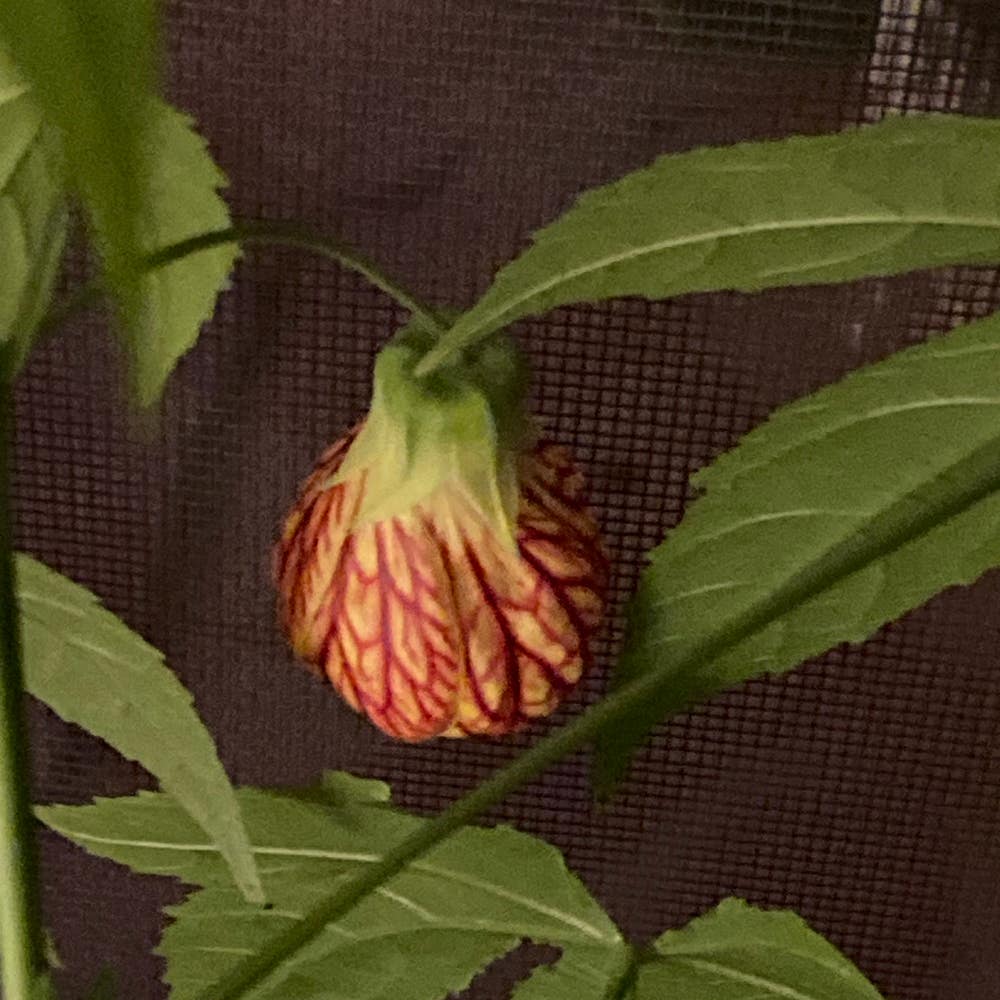
🌼 Indian Mallow Hardiness Zones: 9a-11b
Abutilon malacum
By the Greg Editorial Team
Nov 22, 2024•6 min read
This article was created with the help of AI so we can cover more plants for you. May contain errors. See one? Report it here.
Unlock the secrets to thriving Indian Mallow 🌼 by mastering its temperature tolerance and ideal growing conditions!
- 🌡️ Indian Mallow thrives in USDA zones 9a to 11b, ideal for warmer climates.
- ❄️ Protect from frost by mulching and covering during cold snaps for better growth.
- ☀️ Full sun and well-drained soil are crucial for Indian Mallow's health and flowering.
Temperature Tolerance
❄️ Cold Tolerance Specifics
Indian Mallow can tolerate minimum temperatures as low as 20°F (-6°C). However, frost can significantly impact its growth and survival, potentially damaging leaves and flowers.
To protect Indian Mallow from cold temperatures, consider using mulch to insulate the roots and covering plants during frost events. These strategies can help maintain a stable environment for the plant.
☀️ Heat Tolerance Specifics
On the flip side, Indian Mallow thrives in maximum temperatures up to 100°F (38°C). Extreme heat can stress the plant, leading to wilting and reduced flowering.
During heat waves, ensuring adequate watering and maintaining optimal soil conditions are crucial. This helps the plant cope with the stress of high temperatures.
🌡️ Ideal Temperature Ranges for Growth
The optimal temperature range for Indian Mallow growth lies between 60°F to 90°F (15°C to 32°C). Seasonal temperature variations can influence flowering patterns and overall growth.
Temperature fluctuations can also affect plant health, making it essential to monitor conditions closely. Keeping an eye on these changes helps ensure your Indian Mallow remains vibrant and healthy.
As we explore the ideal growing regions for Indian Mallow, understanding its temperature tolerance will guide you in selecting the best locations for cultivation.
Ideal Growing Regions
🌍 Examples of US States in Suitable Zones
Indian Mallow thrives in USDA zones 9a to 11b, making states like California, Florida, and Texas ideal for its growth. Within California, regions such as Southern California's coastal areas provide the perfect warm climate, while Florida's subtropical regions offer ample humidity and warmth.
In Texas, the southern parts, especially near the Gulf Coast, create a favorable environment for Indian Mallow. These areas not only have the right temperatures but also benefit from longer growing seasons.
🌡️ Factors Contributing to Ideal Conditions
The climate in these regions is characterized by warm temperatures and a low risk of frost, which are crucial for Indian Mallow's survival. Well-drained soils are essential, as they prevent root rot and promote healthy growth.
Full sun exposure is vital for Indian Mallow, as it enhances flowering and overall vitality. Ensuring that the plant receives at least six hours of sunlight daily can significantly impact its health.
🌄 Comparison of Different Regions
While California, Florida, and Texas share suitable climates, there are notable variations in local conditions. For instance, California's coastal areas may have more humidity compared to the arid regions of Texas, affecting growth patterns.
Local conditions, such as soil type and moisture levels, can greatly influence how well Indian Mallow performs. Additionally, microclimates, like those found in sheltered valleys or south-facing slopes, can enhance growth by providing warmer temperatures and protection from harsh winds.
Understanding these regional differences helps gardeners make informed decisions about where to plant Indian Mallow for optimal results. As we explore the next section, we will delve into the fascinating world of microclimates and their impact on plant growth.
Microclimates and Their Impact
🌍 Definition and Importance
Microclimates are localized climate conditions that differ from the surrounding areas. They can significantly influence plant growth, including Indian Mallow, by providing unique environmental factors that enhance or hinder development.
Several factors contribute to the creation of microclimates. Elevation changes can lead to cooler temperatures, while proximity to water bodies can moderate temperature extremes. Urban heat islands, where cities retain heat, also create warmer conditions that can benefit certain plants.
🌱 Extending Growing Range
Microclimates can expand the growing range of Indian Mallow beyond typical hardiness zones. These localized conditions allow for successful cultivation even in areas that might otherwise be unsuitable.
For instance, sheltered areas that block wind can create warmer spots, while south-facing slopes receive more sunlight, promoting better growth. These microclimates can be game-changers for gardeners looking to cultivate Indian Mallow in less-than-ideal conditions.
🏖️ Specific Microclimate Examples
Certain locations exemplify favorable microclimates for Indian Mallow. Coastal regions often benefit from moderated temperatures due to ocean breezes, while valleys can trap heat, creating a warm environment.
Case studies show successful Indian Mallow cultivation in urban gardens where buildings provide shelter from harsh winds. These examples highlight the adaptability of Indian Mallow and the importance of understanding local conditions for optimal growth.
As we explore state-level suitability, consider how these microclimates can influence where Indian Mallow thrives best.
State-Level Suitability Analysis
🌞 Suitable States
Indian Mallow thrives in several states, particularly those within USDA hardiness zones 9a to 11b. Key states include:
- California: Known for its warm Mediterranean climate, California offers long growing seasons and minimal frost, making it ideal for Indian Mallow.
- Florida: With its tropical climate, Florida provides the heat and humidity that Indian Mallow loves, ensuring vibrant growth.
- Texas: The diverse climate across Texas, especially in the southern regions, supports Indian Mallow's growth with warm temperatures and ample sunlight.
These states create a perfect environment for Indian Mallow, allowing it to flourish and produce beautiful blooms.
❌ Unsuitable States
Conversely, some states fall outside the ideal range for Indian Mallow. These include:
- North Dakota
- Montana
- Maine
These states typically reside in USDA zones below 9a, where colder temperatures and higher frost risks hinder Indian Mallow's survival. The harsh winters and shorter growing seasons present significant challenges for this plant.
📊 Suitability Analysis
When analyzing temperature ranges, suitable states generally experience milder winters and longer growing seasons. For instance, California and Florida have average winter lows above 20°F (-6°C), while unsuitable states often dip well below this threshold.
Frost dates also play a crucial role. Suitable states usually have a frost-free growing season lasting several months, while unsuitable areas may face early frosts that can damage Indian Mallow.
Soil and moisture conditions are equally important. Indian Mallow prefers well-drained soils, which are more prevalent in suitable regions. In contrast, unsuitable states often have heavier, moisture-retentive soils that can lead to root rot.
Culturally, Indian Mallow holds significance in many of these suitable regions. It is often used in traditional medicine and landscaping, showcasing its versatility and importance in local ecosystems.
As you explore the potential for growing Indian Mallow, consider these factors to ensure a thriving garden. Next, we'll delve into the fascinating world of microclimates and how they can further influence the growth of this resilient plant.
⚠️ Safety First
This content is for general information and may contain errors, omissions, or outdated details. It is not medical, veterinary advice, or an endorsement of therapeutic claims.
Always consult a qualified healthcare professional before using any plant as food, medicine, or supplement.
Never eat any plant (or feed one to pets) without confirming its identity with at least two trusted sources.
If you suspect poisoning, call Poison Control (800) 222-1222, the Pet Poison Helpline (800) 213-6680, or your local emergency service immediately.
Spotted an error? Please report it here.
Cultivating Indian Mallow is a breeze 🌱 with Greg's tailored watering plans and reminders, ensuring your plants flourish in their ideal hardiness zones!