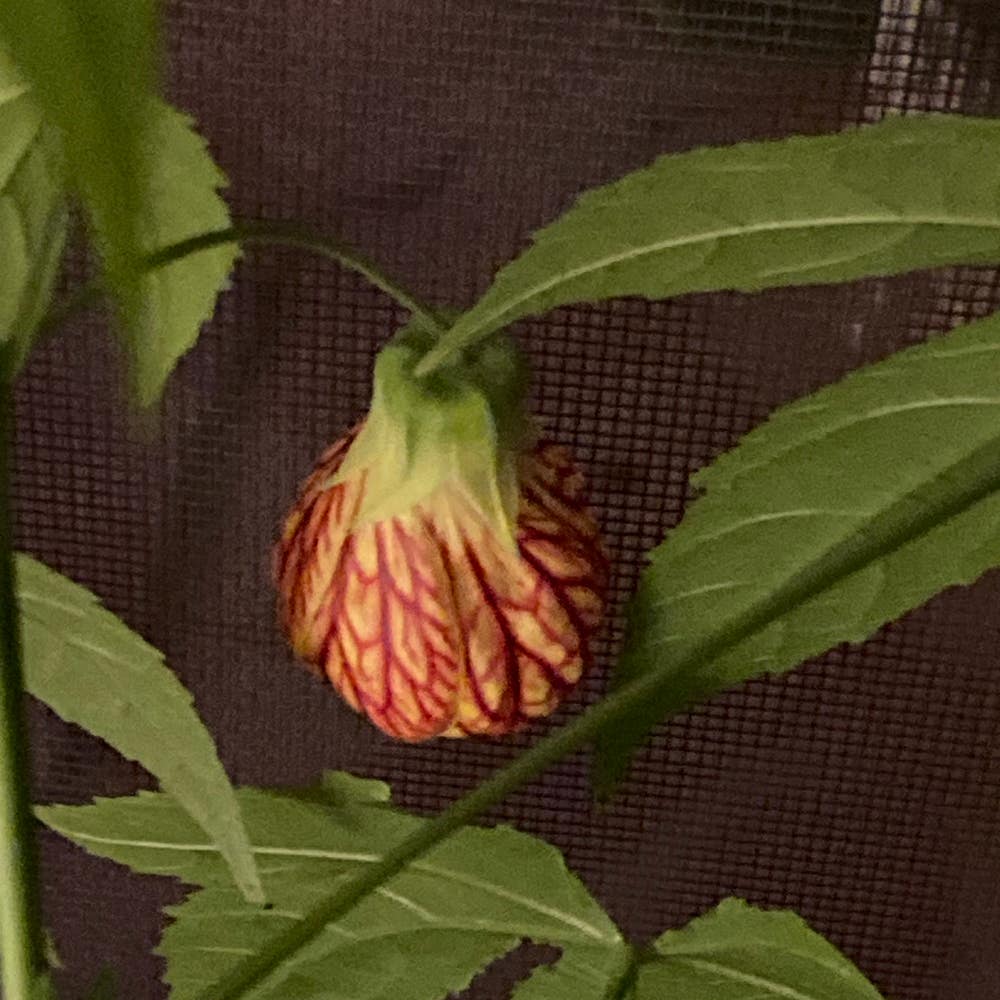
🌼 Ultimate Guide to Fixing Flower Problems in Indian Mallow
Abutilon malacum
By the Greg Editorial Team
Nov 22, 2024•5 min read
This article was created with the help of AI so we can cover more plants for you. May contain errors. See one? Report it here.
Transform your Indian Mallow into a blooming beauty 🌼 with essential tips on light, nutrition, and watering!
- 🌞 Indian Mallow needs 6-8 hours of sunlight daily for optimal blooming.
- 🌱 Phosphorus deficiencies hinder flower development; use balanced fertilizer every 4-6 weeks.
- 💧 Proper watering is crucial; avoid over-watering and under-watering to prevent stress.
Failure to Bloom
🌞 Causes of Failure to Bloom
Insufficient light is a primary culprit when your Indian Mallow fails to bloom. Without adequate sunlight, typically around 6-8 hours daily, the plant struggles to complete its bloom cycle.
Poor soil nutrition can also play a significant role. Nutritional deficiencies, particularly in essential elements like phosphorus, can prevent proper flower development.
Incorrect watering practices are another common issue. Over-watering or under-watering can stress the plant, leading to a lack of blooms.
🌼 Solutions for Failure to Bloom
Adjusting Light Exposure
To encourage blooming, ensure your Indian Mallow receives ample sunlight. If indoors, consider relocating it to a sunnier spot where it can bask in 6-8 hours of direct sunlight daily.
Fertilization Tips
Using a balanced fertilizer high in phosphorus can significantly boost blooming. Apply this fertilizer every 4-6 weeks during the growing season to keep your plant thriving.
Watering Techniques
Maintaining consistent moisture is crucial, but avoid waterlogging. Water your plant when the top inch of soil feels dry to the touch, ensuring it gets the hydration it needs without drowning.
By addressing these factors, you can help your Indian Mallow flourish and produce beautiful blooms. Next, let’s explore the issue of premature flower drop and how to tackle it effectively.
Premature Flower Drop
🌪️ Causes of Premature Flower Drop
Premature flower drop can be frustrating for any gardener. One major culprit is environmental stress, where temperature fluctuations and humidity changes can lead to bud drop.
Another common cause is overwatering. Excess moisture can cause root rot, stressing the plant and making it more susceptible to flower drop.
Lastly, pest infestations can weaken your plant. Pests like aphids not only damage the foliage but can also lead to premature flower loss.
🛠️ Solutions for Premature Flower Drop
To combat premature flower drop, start by identifying stress factors. Monitor temperature and humidity levels; the ideal range is between 65°F to 75°F (18°C to 24°C) with moderate humidity.
Next, focus on proper watering practices. Allow the soil to dry slightly between waterings to prevent overwatering, which can be detrimental to your plant's health.
Lastly, implement effective pest control methods. Regularly inspect your plants for pests and consider using insecticidal soap or neem oil for treatment. This proactive approach can help keep your flowers intact and thriving.
By addressing these factors, you can significantly reduce the chances of premature flower drop and enjoy a more vibrant bloom. Now, let’s explore how light conditions impact flowering.
Abnormal Flower Development
🌱 Causes of Abnormal Flower Development
Abnormal flower development in Indian Mallow can stem from several key issues. Nutritional imbalances are a primary culprit, as a lack of essential nutrients can lead to malformed flowers.
Temperature fluctuations also play a significant role. Sudden changes can disrupt the delicate process of flower formation, leading to unexpected results.
Additionally, diseases caused by fungal or bacterial infections can severely affect flower quality. These pathogens can wreak havoc on the plant, resulting in blooms that fail to meet expectations.
🛠️ Solutions for Abnormal Flower Development
To combat abnormal flower development, start with soil testing. Conduct a soil test to determine nutrient levels and pH, which will guide you in amending the soil based on the results.
Next, focus on temperature management. Maintaining stable temperatures is crucial; avoid placing your plant near drafts or heat sources that can cause stress.
Lastly, implement disease prevention strategies. Ensure good air circulation around your plant and avoid overhead watering to minimize the risk of fungal infections.
By addressing these factors, you can help your Indian Mallow thrive and produce beautiful blooms. With the right care, you’ll be well on your way to enjoying a vibrant display of flowers.
Now, let’s explore the impact of light on flowering and how to optimize conditions for your plants.
Impact of Light on Flowering
Optimal Light Conditions 🌞
Sunlight plays a vital role in the blooming process of Indian Mallow. It fuels photosynthesis, which is essential for flower production and overall plant health.
If your plant is showing signs of leggy growth, small leaves, or reduced flowering, it may be suffering from insufficient light. These symptoms indicate that your Indian Mallow isn't getting the sunlight it needs to thrive.
Adjusting Light Exposure 🔄
To maximize light intake, consider rotating your plant regularly. This simple technique ensures that all sides receive even exposure to sunlight.
Using reflective surfaces can also enhance light availability. Mirrors or light-colored walls can bounce sunlight onto your plant, giving it a boost.
When it comes to indoor placement, position your Indian Mallow near south or west-facing windows. These locations typically provide the brightest light throughout the day.
For outdoor plants, be mindful of harsh afternoon sun. While Indian Mallow loves light, too much direct sunlight can lead to stress. Providing some shade during peak hours can help maintain its health.
Understanding and optimizing light conditions is crucial for encouraging vibrant blooms. With the right adjustments, your Indian Mallow can flourish beautifully.
Next, let’s explore the nutritional factors that significantly impact flowering.
Nutritional Factors Affecting Flowering
🌼 Essential Nutrients for Blooming
To achieve vibrant blooms, your Indian Mallow needs key nutrients: nitrogen, phosphorus, and potassium. These elements play crucial roles in flower development, ensuring your plant thrives and produces beautiful flowers.
Signs of nutrient deficiency can be quite telling. Look out for yellowing leaves, stunted growth, and poor flowering, which all indicate that your plant may be lacking essential nutrients.
🌱 Fertilization Strategies
Choosing the right fertilizer is vital for promoting healthy blooms. Opt for a balanced, water-soluble fertilizer that has a higher phosphorus content, such as a 5-10-5 formulation, to encourage flowering.
Timing is equally important when it comes to fertilization. Aim to fertilize every 4-6 weeks during the growing season, but remember to reduce the frequency in fall and winter as your plant's growth slows down.
By understanding these nutritional factors and implementing effective fertilization strategies, you can significantly enhance your Indian Mallow's blooming potential. Next, let's explore how light conditions impact flowering and what you can do to optimize them.
⚠️ Safety First
This content is for general information and may contain errors, omissions, or outdated details. It is not medical, veterinary advice, or an endorsement of therapeutic claims.
Always consult a qualified healthcare professional before using any plant as food, medicine, or supplement.
Never eat any plant (or feed one to pets) without confirming its identity with at least two trusted sources.
If you suspect poisoning, call Poison Control (800) 222-1222, the Pet Poison Helpline (800) 213-6680, or your local emergency service immediately.
Spotted an error? Please report it here.
Help your Indian Mallow bloom brilliantly 🌼 by using Greg's tailored watering and fertilization reminders to create the ideal growing conditions for your plant!