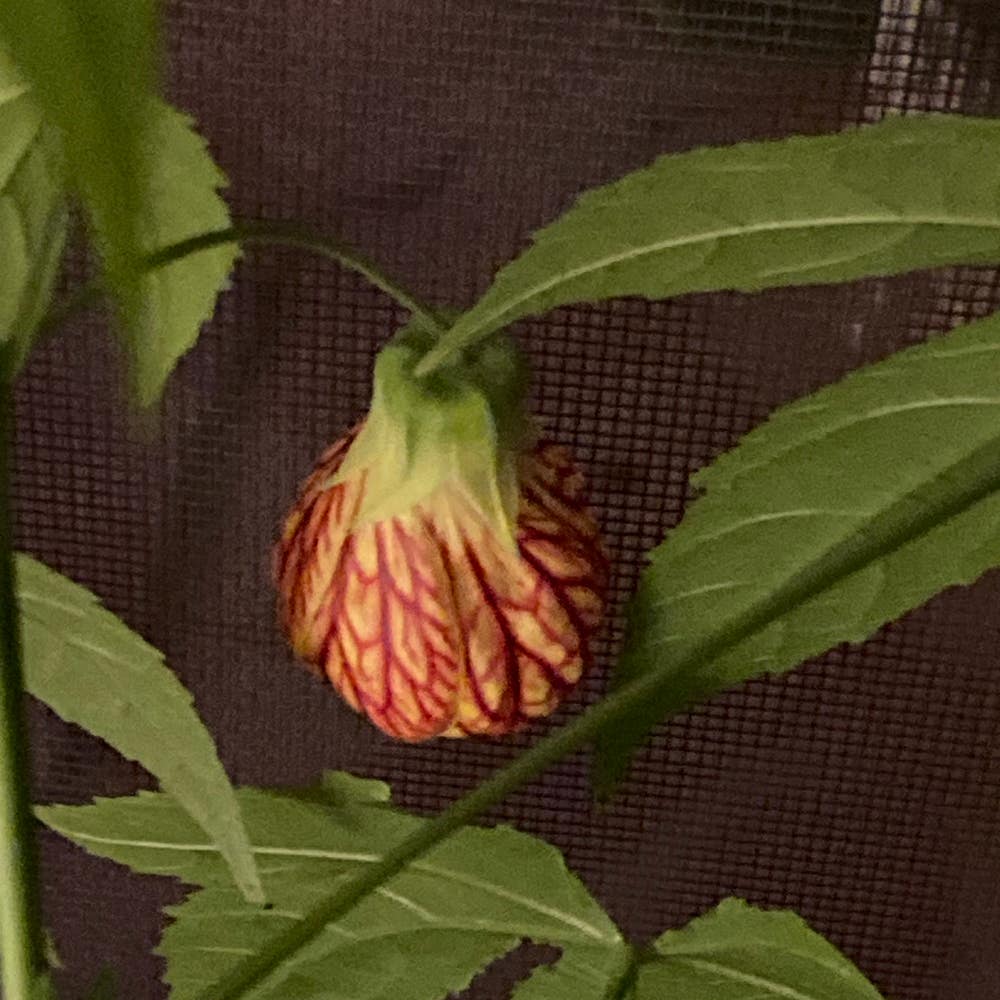
☀️ Good Temperature Range for Your Indian Mallow
Abutilon malacum
By the Greg Editorial Team
Nov 22, 2024•2 min read
This article was created with the help of AI so we can cover more plants for you. May contain errors. See one? Report it here.
Master temperature control 🌡️ to keep your Indian Mallow thriving and blooming beautifully! 🌼
- 🌡️ Ideal temperature for Indian Mallow is 60°F to 85°F (15°C to 29°C).
- ❄️🔥 Cold and heat stress can cause wilting, stunted growth, and leaf drop.
- 🌱 Proactive temperature management ensures healthy growth and vibrant flowering.
Temperature Requirements
Ideal Temperature Range 🌡️
For your Indian Mallow to thrive, aim for an optimal temperature range of 60°F to 85°F (15°C to 29°C). This sweet spot encourages robust growth, vibrant foliage, and abundant flowering.
When temperatures dip below 60°F (15°C), you may notice a slowdown in growth and signs of stress. Keeping your plant within this ideal range is crucial for its overall health.
Effects of Temperature Stress 🌡️
Signs of Temperature Stress
Temperature stress can manifest in various ways.
Cold stress symptoms include:
- Wilting leaves and stunted growth.
- Leaf drop due to prolonged exposure to cold.
On the flip side, heat stress symptoms are just as concerning:
- Leaf curling and browning at the edges.
- Dropping flowers and buds, signaling distress.
Causes of Temperature Stress
Understanding the causes of temperature stress can help you prevent it.
Sudden temperature fluctuations can shock your Indian Mallow, triggering stress responses.
Additionally, prolonged exposure to unsuitable temperatures—whether below 60°F (15°C) or above 85°F (29°C)—can be detrimental to your plant's health.
Mitigating Temperature Stress 🌬️
Protective Strategies
To protect your Indian Mallow from temperature extremes, consider these strategies:
- Use mulch to help regulate soil temperature and retain moisture.
- Implement windbreaks to shield your plant from cold winds.
Best Practices for Temperature Management
Staying proactive is key to managing temperature stress effectively.
- Regularly check local weather forecasts to anticipate any temperature changes.
- Modify your watering schedules based on temperature fluctuations to prevent stress.
By following these guidelines, you can create a nurturing environment for your Indian Mallow, ensuring it remains healthy and vibrant. Next, we’ll explore how to further enhance your plant care routine.
⚠️ Safety First
This content is for general information and may contain errors, omissions, or outdated details. It is not medical, veterinary advice, or an endorsement of therapeutic claims.
Always consult a qualified healthcare professional before using any plant as food, medicine, or supplement.
Never eat any plant (or feed one to pets) without confirming its identity with at least two trusted sources.
If you suspect poisoning, call Poison Control (800) 222-1222, the Pet Poison Helpline (800) 213-6680, or your local emergency service immediately.
Spotted an error? Please report it here.
Keep your Indian Mallow thriving 🌱 by using Greg's tailored reminders to maintain the perfect temperature range of 60°F to 85°F for vibrant growth and flowering!