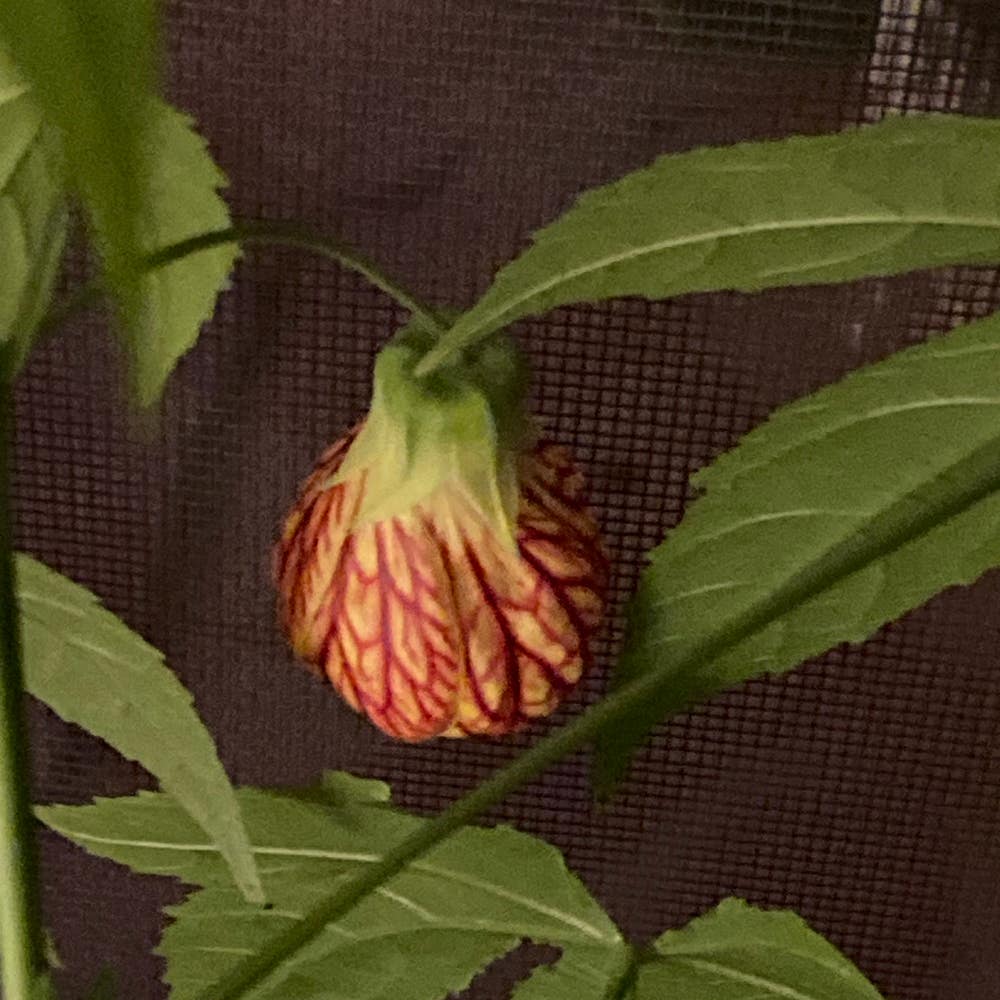
🌼 Why Indian Mallow Is Not an Annual
Abutilon malacum
By the Greg Editorial Team
Nov 22, 2024•5 min read
This article was created with the help of AI so we can cover more plants for you. May contain errors. See one? Report it here.
Unlock the secrets of Indian Mallow 🌱 to create a thriving, vibrant garden that lasts for years!
- 🌱 Indian Mallow is a perennial, living 3-5 years unlike short-lived annuals.
- 🌼 Enjoy continuous blooms for months, enhancing garden aesthetics and biodiversity.
- 🌍 Adaptable to various conditions, Indian Mallow thrives with proper care and maintenance.
Genetic and Physiological Characteristics
🌱 Lifecycle of Indian Mallow
The lifecycle of Indian Mallow is a fascinating journey through various stages: germination, vegetative growth, flowering, and dormancy. Typically, this perennial plant enjoys a lifespan of 3-5 years or even longer, showcasing its resilience.
Adaptations play a crucial role in its survival across seasons. Indian Mallow can thrive in diverse conditions, allowing it to withstand periods of dormancy and emerge vibrantly when the environment is favorable.
📈 Growth Patterns and Habits
Indian Mallow exhibits distinctive growth characteristics, reaching heights of 2-4 feet with a bushy appearance. Its broad, lobed leaves are arranged in a way that maximizes sunlight absorption, contributing to its robust growth.
Seasonal variations are evident in its growth patterns. You can expect to see it emerge in spring, burst into bloom during summer, and then enter a restful dormancy in the fall, ready to rejuvenate the following year.
🌼 Reproductive Strategies
The reproductive strategies of Indian Mallow are quite remarkable. It produces flowers that attract pollinators, with a flowering timeline that spans several months, ensuring a steady supply of seeds.
Seed dispersal mechanisms are equally intriguing, as they allow the plant to spread its progeny effectively. Additionally, Indian Mallow can reproduce vegetatively, generating new plants from root divisions, which sets it apart from typical annuals that rely solely on seed production.
In comparison to annuals, Indian Mallow's ability to produce multiple seed sets over its lifespan enhances its reproductive success, making it a resilient choice for gardeners.
This exploration of Indian Mallow's genetic and physiological characteristics sets the stage for understanding its lifecycle implications, particularly how its growth and flowering cycles differ from those of annual plants.
Lifecycle Implications
🌱 Growth and Flowering Cycles
The lifecycle of Indian Mallow is marked by distinct growth phases. It typically begins its growth in spring, reaching its flowering peak during the summer, and then enters a period of dormancy in the fall.
Unlike annuals, which often have a single bloom cycle, Indian Mallow can exhibit continuous flowering throughout the growing season. This extended flowering period not only enhances garden aesthetics but also supports local pollinators.
🌼 Seed Production Compared to Annuals
When it comes to seed production, Indian Mallow stands out. It can produce multiple seed sets over several years, unlike annuals that typically generate a single seed set in their short lifespan.
The viability of Indian Mallow seeds is impressive, with high germination rates under optimal conditions. This ability to produce and sustain seeds contributes to its resilience as a perennial plant.
🌍 Environmental Factors Affecting Lifecycle
Environmental conditions play a crucial role in the lifecycle of Indian Mallow. Factors such as temperature and moisture levels significantly influence its growth patterns and overall health.
Additionally, Indian Mallow demonstrates remarkable adaptability to various soil types and conditions. However, stressors like drought and frost can impact its perennial behavior, potentially leading to reduced growth or flowering.
Understanding these lifecycle implications can help gardeners make informed decisions about planting and caring for Indian Mallow. As we explore the common misconceptions about this plant, we can further appreciate its unique characteristics and gardening potential.
Common Misconceptions
Situations Where Indian Mallow May Be Treated as an Annual 🌱
Many gardeners mistakenly classify Indian Mallow as an annual due to environmental stressors. Poor soil conditions and inadequate water supply can hinder its growth, leading to the perception that it doesn't survive beyond a single season.
Misunderstandings about care practices also contribute to this misclassification. Without proper attention to its perennial nature, gardeners might inadvertently treat it like a one-time plant, missing out on its long-term benefits.
Regional Variations in Growth and Classification 🌍
The lifecycle of Indian Mallow can vary significantly based on climate. In warmer regions, it may thrive and exhibit its perennial characteristics, while cooler climates can stunt its growth, making it appear more like an annual.
For instance, in areas with milder winters, Indian Mallow can flourish year after year. Conversely, in regions with harsh winters, it may struggle, leading to the misconception that it is an annual plant. Understanding these regional differences is crucial for successful gardening with Indian Mallow.
As we explore the implications of its lifecycle, it’s essential to recognize how these misconceptions can affect gardening practices.
Gardening with Indian Mallow
🌱 Advantages of Planting as a Perennial
Planting Indian Mallow as a perennial offers several long-term benefits for your garden. It serves as a solid investment, reducing the need for replanting each year while enhancing the overall garden design.
Additionally, Indian Mallow contributes to biodiversity and ecosystem stability. Its presence supports local wildlife and promotes a healthier garden environment.
🎨 Design Considerations for Perennials
When integrating Indian Mallow into your perennial garden layout, consider companion planting with other perennials. This approach not only enhances visual appeal but also encourages beneficial interactions among plants.
Seasonal interest is another key factor. Indian Mallow's vibrant blooms can provide color variation throughout the growing season, making it a valuable addition to any garden.
🌼 Tips for Maximizing Longevity
To ensure the longevity of your Indian Mallow, start with best practices for soil preparation and planting. Well-drained soil enriched with organic matter will set the foundation for healthy growth.
Watering and fertilization strategies are crucial for perennials. Regular watering during dry spells and a balanced fertilizer can significantly enhance growth and flowering.
Seasonal maintenance is also essential. Pruning spent flowers and monitoring for pests and diseases specific to Indian Mallow will keep your plants thriving.
By following these guidelines, you can enjoy the beauty and benefits of Indian Mallow in your garden for years to come.
⚠️ Safety First
This content is for general information and may contain errors, omissions, or outdated details. It is not medical, veterinary advice, or an endorsement of therapeutic claims.
Always consult a qualified healthcare professional before using any plant as food, medicine, or supplement.
Never eat any plant (or feed one to pets) without confirming its identity with at least two trusted sources.
If you suspect poisoning, call Poison Control (800) 222-1222, the Pet Poison Helpline (800) 213-6680, or your local emergency service immediately.
Spotted an error? Please report it here.
Unlock the perennial potential of Indian Mallow 🌼 with Greg's tailored care tips and watering reminders, ensuring your garden flourishes year after year!