4 Easy Ways to Pollinate Indian Mallow 🌼
Abutilon malacum
By the Greg Editorial Team
Nov 22, 2024•5 min read
This article was created with the help of AI so we can cover more plants for you. May contain errors. See one? Report it here.
Unlock the secret to a thriving garden and support pollinators with Indian Mallow's unique flower structure! 🌸🐝
- 🌼 Indian Mallow attracts bees, butterflies, and hummingbirds with its vibrant flowers.
- 🌱 Self-pollination ensures seed production even without pollinators present.
- 🐝 Hand pollination boosts fertilization success; timing it in the morning is key.
Flower Structure
🌸 Description of Flower Characteristics
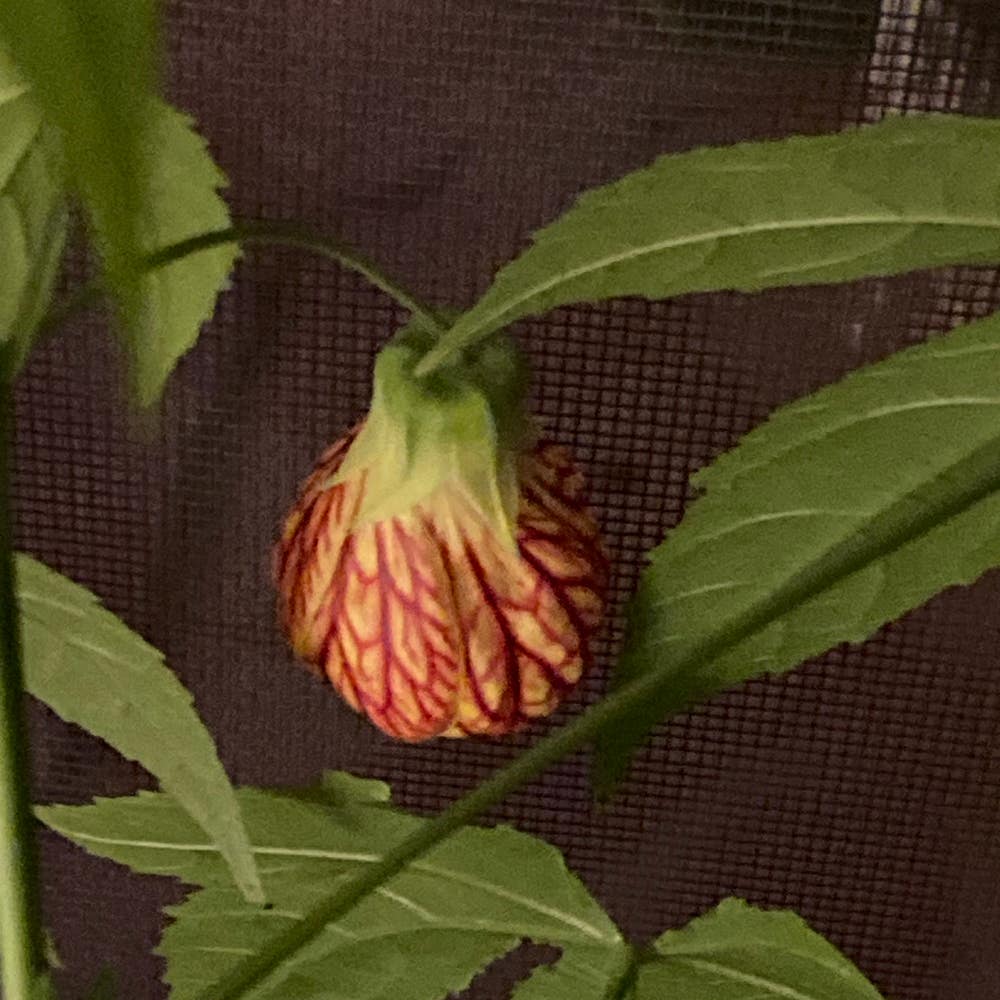
Indian Mallow features stunning bell-shaped flowers that are a magnet for various pollinators. Their vibrant colors, typically yellow or orange, can vary across cultivars, adding visual interest to any garden.
The unique arrangement of petals and stamens plays a crucial role in effective pollination. This design not only attracts pollinators but also facilitates their movement, ensuring pollen transfer occurs smoothly.
🐝 Role of Flower Structure in Pollination
One of the fascinating aspects of Indian Mallow is its ability to self-pollinate. With both male and female reproductive structures present, the plant can produce seeds even without external help.
However, cross-pollination is equally important. It enhances genetic diversity, which is beneficial for the plant's overall reproduction and resilience. This dual capability makes Indian Mallow a robust choice for gardeners looking to support pollinator populations while ensuring plant health.
As we explore the pollination process further, understanding these flower characteristics will deepen our appreciation for the intricate relationships between plants and their pollinators.
Pollination Process
🌱 Self-Pollination Mechanism
Self-pollination in Indian Mallow is a fascinating process. The pollen from the stamens can fertilize the ovules within the same flower, ensuring that the plant can reproduce even without external help.
This mechanism is particularly beneficial in environments where pollinators may be scarce. It guarantees seed production, allowing the plant to thrive in various conditions.
🐝 Cross-Pollination
While self-pollination is effective, cross-pollination plays a crucial role in enhancing genetic diversity. Key pollinators such as bees, butterflies, moths, and hummingbirds are essential for this process.
These pollinators are attracted to Indian Mallow through several mechanisms.
Attraction Mechanisms
- Nectar Production: The sweet nectar serves as a delicious reward, luring in various pollinators.
- Color and Scent: Bright colors and fragrant flowers create an irresistible invitation for pollinators to visit.
By understanding these processes, gardeners can better appreciate the intricate relationships between plants and their pollinators. This knowledge not only enhances gardening practices but also fosters a deeper connection to nature.
With this foundation in pollination, let’s explore how to support these vital pollinators in our gardens.
Hand Pollination Techniques ((difficulty:moderate))
Hand pollination can be a rewarding way to ensure your Indian Mallow thrives. Follow these simple steps to effectively pollinate your flowers.
Step 1: Identify Male and Female Flower Parts 🌸
Start by locating the male and female parts of the flower. The male parts are the stamens, which produce pollen, while the female part is the pistil, containing the ovules.
Step 2: Collecting Pollen 🧹
Next, gently collect pollen from the stamens. A small brush or cotton swab works wonders for this task, allowing you to gather the pollen without damaging the flower.
Step 3: Transferring Pollen 🔄
Once you have collected the pollen, it’s time to transfer it. Carefully apply the pollen to the stigma of the pistil, ensuring good contact for successful fertilization.
Step 4: Timing for Successful Fertilization ⏰
Timing is crucial for effective hand pollination. Aim to perform this process in the morning when the flowers are fully open and most receptive.
By following these steps, you can enhance the reproductive success of your Indian Mallow. This hands-on approach not only supports your plants but also deepens your connection with nature.
Next, let’s explore how to create a pollinator-friendly environment to further support your gardening efforts.
Supporting Pollinators
🌼 Creating a Pollinator-Friendly Environment
To support pollinators, start by incorporating a diverse range of flowering plants in your garden. This variety attracts different species, ensuring that your garden is buzzing with activity.
Providing adequate habitat is equally important. Create shelter and nesting sites for pollinators to thrive, whether it's through native plants or small structures like bee hotels.
🌱 Companion Plants
Companion planting can significantly enhance your garden's appeal to beneficial pollinators. Consider adding marigolds, known for their bright flowers that attract bees.
Lavender is another excellent choice, with its fragrant blooms that draw in butterflies. These companion plants not only beautify your garden but also play a crucial role in supporting the pollinator population.
By fostering a welcoming environment for pollinators, you contribute to the health of your garden and the ecosystem. Next, let’s explore the challenges pollinators face and how to overcome them.
Pollination Challenges
Common Obstacles 🐝
Pollination can be tricky for Indian Mallow due to various environmental factors. Temperature fluctuations and humidity levels can significantly impact pollinator activity, making it harder for these essential creatures to do their job.
Urbanization and pesticide use are also major culprits in reducing pollinator populations. Without these vital insects, the chances of successful pollination drop dramatically.
Solutions for Overcoming Challenges 🌱
Timing is everything when it comes to planting Indian Mallow. By sowing seeds during peak pollinator seasons, you can maximize the chances of attracting these helpful insects.
Additionally, creating microclimates can support pollinator activity. Simple adjustments in your garden, like adding shade or windbreaks, can make a world of difference for these important species.
With a little effort, you can help ensure that Indian Mallow thrives despite the challenges it faces. Next, let’s explore how to support pollinators in your garden effectively.
⚠️ Safety First
This content is for general information and may contain errors, omissions, or outdated details. It is not medical, veterinary advice, or an endorsement of therapeutic claims.
Always consult a qualified healthcare professional before using any plant as food, medicine, or supplement.
Never eat any plant (or feed one to pets) without confirming its identity with at least two trusted sources.
If you suspect poisoning, call Poison Control (800) 222-1222, the Pet Poison Helpline (800) 213-6680, or your local emergency service immediately.
Spotted an error? Please report it here.
Boost your garden's pollination success 🌺 with Greg's tailored care tips for Indian Mallow, ensuring vibrant blooms and a thriving ecosystem!