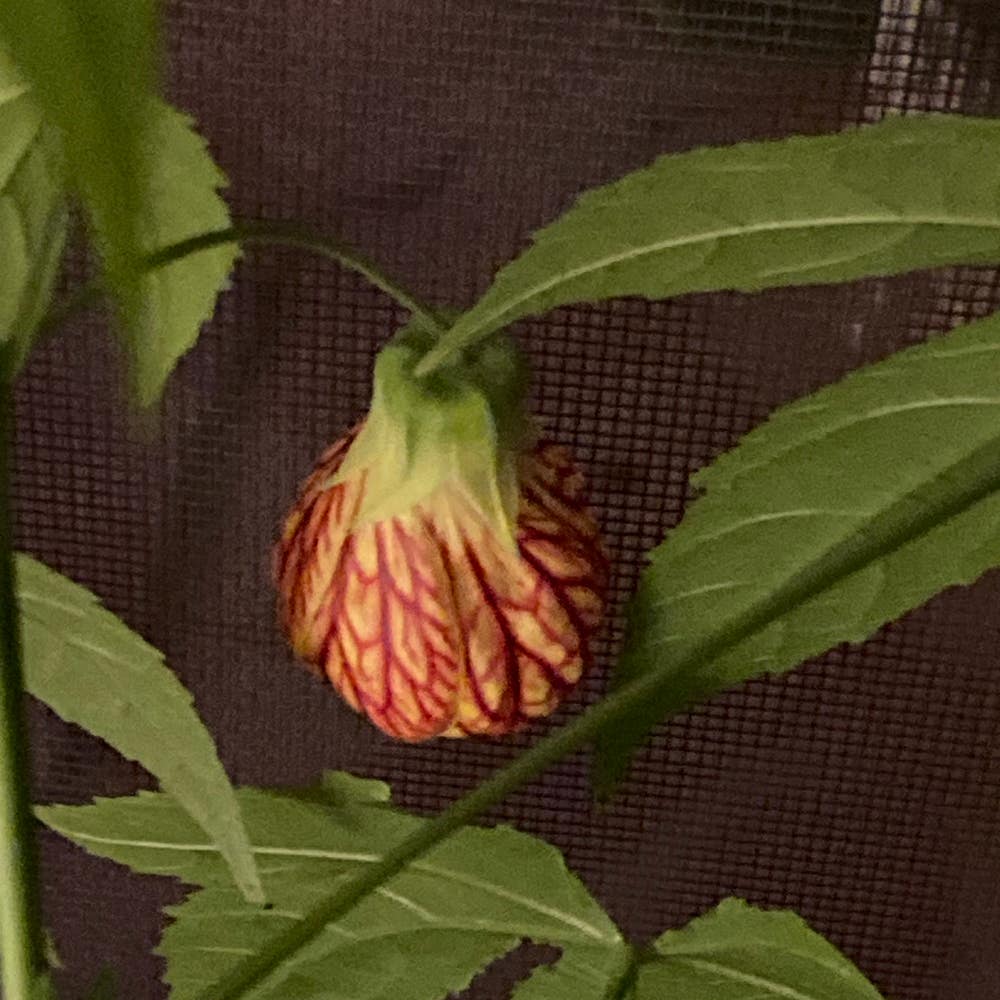
☀️ Direct Sunlight and Your Indian Mallow
Abutilon malacum
By the Greg Editorial Team
Nov 22, 2024•4 min read
This article was created with the help of AI so we can cover more plants for you. May contain errors. See one? Report it here.
Master Indian Mallow's sunlight needs 🌞 to ensure vibrant growth and a flourishing home garden! 🌱
- 🌞 Indian Mallow thrives in bright, indirect light, avoiding full direct sunlight.
- ❗️ Excessive direct sunlight causes leaf scorch and stunted growth in Indian Mallow.
- 🪴 Monitor light exposure to tailor care for optimal health and growth.
Sunlight Tolerance of Indian Mallow
Does Indian Mallow Need Direct Sunlight? 🌞
Indian Mallow thrives best in bright, indirect light. While it can adapt to some direct sunlight, filtered light conditions are ideal for optimal growth.
Can Indian Mallow Tolerate Direct Sunlight? 🛡️
This resilient plant can tolerate direct sunlight, particularly in cooler climates. However, it's important to note that some varieties may exhibit higher tolerance levels than others.
Effects of Too Much Direct Sunlight on Indian Mallow 🚨
Excessive direct sunlight can lead to noticeable signs of stress, such as leaf scorch, browning edges, and wilting. Over time, prolonged exposure can stunt growth and reduce flowering, impacting the plant's overall health.
Understanding these sunlight needs is crucial for nurturing your Indian Mallow effectively. By observing its response to light conditions, you can ensure it thrives beautifully in your home.
Environmental Factors Affecting Sunlight
🌅 Role of Window Direction in Sunlight Exposure
The direction your windows face plays a crucial role in how much sunlight your Indian Mallow receives.
- South-facing windows: These windows capture the most direct sunlight, making them ideal for sun-loving plants.
- North-facing windows: They primarily provide indirect light, which is perfect for Indian Mallow's growth.
- East and West-facing windows: These offer a blend of direct and indirect light, with morning sun being gentler and less intense.
Understanding these dynamics can help you position your Indian Mallow for optimal health and growth.
🌍 How Hemisphere Affects Sunlight Intensity and Duration
The hemisphere you live in significantly influences the sunlight your plants receive.
- Northern Hemisphere: Enjoys longer days during summer, resulting in more intense sunlight.
- Southern Hemisphere: Experiences similar patterns, but the timing of seasons differs.
For your Indian Mallow, recognizing these local conditions is essential. It helps you make informed decisions about where to place your plant for the best exposure.
By considering both window direction and your hemisphere, you can create the perfect environment for your Indian Mallow to thrive.
Practical Tips for Plant Parents
🌞 Assessing Sunlight Conditions for Indian Mallow
To ensure your Indian Mallow thrives, start by observing its sunlight conditions. Monitor the light intensity throughout the day, noting how it changes with the sun's movement.
If you're serious about getting it right, consider using a light meter. This handy tool can help you measure light levels accurately, ensuring your plant gets just what it needs.
🌤️ Signs of Too Much or Too Little Sunlight for Indian Mallow
Recognizing the signs of improper sunlight exposure is crucial for your plant's health. If you notice leaf scorch, faded colors, or drooping leaves, your Indian Mallow might be getting too much sunlight.
On the flip side, if your plant exhibits leggy growth, small leaves, or reduced flowering, it may not be receiving enough light. Keeping an eye on these indicators can help you adjust care effectively.
🔄 Adjusting Light Exposure for Optimal Growth
Adjusting your plant's light exposure can make a significant difference in its growth. If you observe stress signs, try repositioning the plant closer to or further from the window.
Another effective strategy is to use sheer curtains. These can soften direct sunlight, preventing stress while still allowing your Indian Mallow to bask in brightness.
By staying attentive to your plant's needs, you can create the perfect environment for it to flourish. Next, let's explore some common misconceptions about Indian Mallow and sunlight exposure.
Common Misconceptions
🌞 Myths About Indian Mallow and Sunlight
One common myth is that Indian Mallow needs full direct sunlight all day. In reality, this plant thrives best in bright, indirect light and can adapt to some direct exposure without issue.
💡 Clarifying the Needs of Indian Mallow Regarding Light Exposure
Understanding that each plant's needs can vary based on its variety and environmental conditions is crucial. Observing your Indian Mallow will help you adjust its care for optimal health, ensuring it flourishes in your home.
By recognizing these misconceptions, you can better cater to your plant's specific needs and create a thriving environment. Next, let’s explore practical tips for assessing sunlight conditions for your Indian Mallow.
⚠️ Safety First
This content is for general information and may contain errors, omissions, or outdated details. It is not medical, veterinary advice, or an endorsement of therapeutic claims.
Always consult a qualified healthcare professional before using any plant as food, medicine, or supplement.
Never eat any plant (or feed one to pets) without confirming its identity with at least two trusted sources.
If you suspect poisoning, call Poison Control (800) 222-1222, the Pet Poison Helpline (800) 213-6680, or your local emergency service immediately.
Spotted an error? Please report it here.
Help your Indian Mallow thrive by providing bright, indirect light 🌿, and let Greg guide you with tailored light monitoring to ensure your plant reaches its full potential!