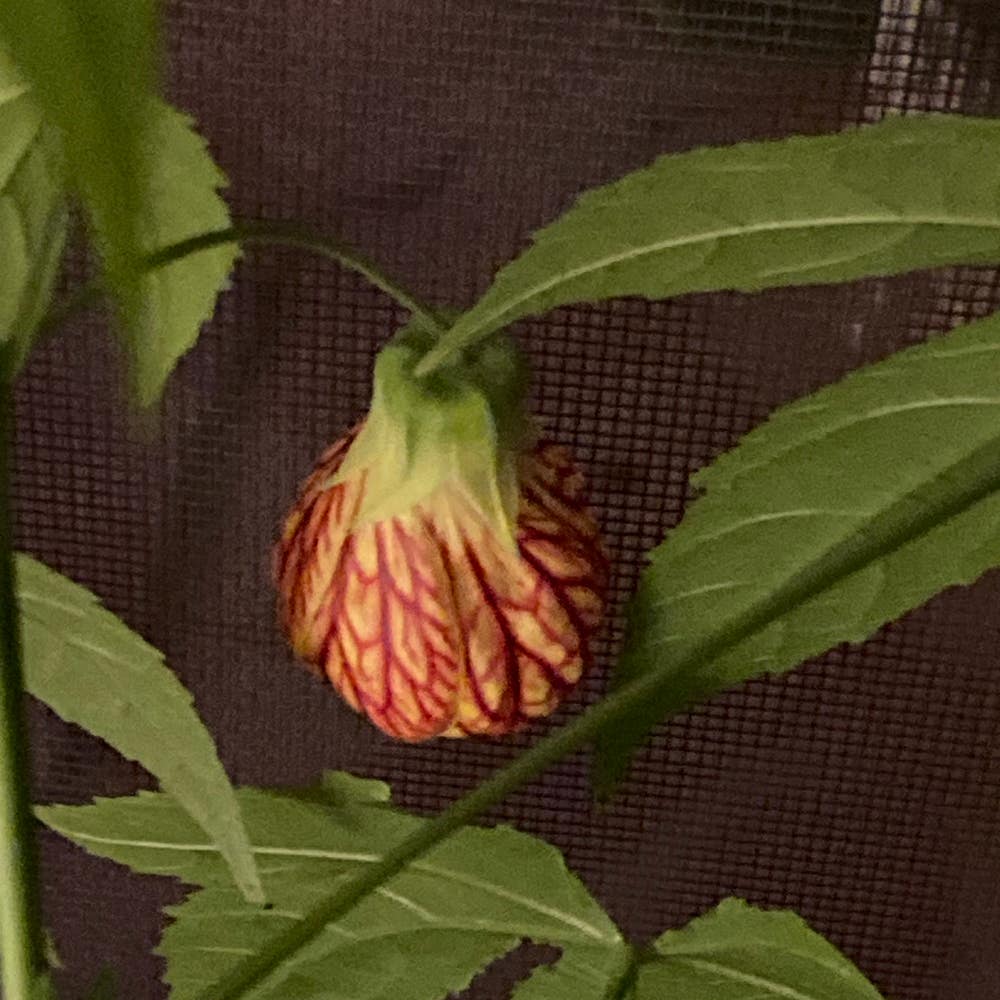
💧 How to Fix Your Indian Mallow Wilting
Abutilon malacum
By the Greg Editorial Team
Nov 22, 2024•5 min read
This article was created with the help of AI so we can cover more plants for you. May contain errors. See one? Report it here.
Transform your wilting Indian Mallow 🌱 into a thriving beauty with essential care tips and expert insights!
- 🌱 Wilting in Indian Mallow often signals water stress, heat stress, or disease.
- 💧 Consistent watering and humidity control prevent wilting and promote healthy growth.
- 🌞 Relocate to shade during peak sunlight to alleviate heat stress effectively.
Common Causes of Wilting Leaves
💧 Water Stress
Wilting leaves often signal water stress, which can manifest as drooping leaves, dry soil, and leaf curling. This condition typically arises from inconsistent watering practices, whether due to overwatering or underwatering.
☀️ Heat Stress
Heat stress is another common culprit behind wilting. You may notice your Indian Mallow wilting during peak sunlight hours, with symptoms like leaf scorch and browning edges. This usually occurs when the plant is exposed to high temperatures without sufficient hydration.
🦠 Disease-Related Wilting
While disease-related wilting can occur, it's less common. Symptoms include yellowing leaves, stunted growth, and wilting despite adequate care. However, it's crucial to focus on environmental factors first, as pathogenic wilt is rare in Indian Mallow.
Understanding these causes is the first step toward reviving your wilting Indian Mallow. Next, we'll explore how to diagnose the specific issues affecting your plant.
Diagnosing Wilting in Indian Mallow
Step-by-Step Guide to Diagnose Wilting 🌱
Diagnosing wilting in your Indian Mallow starts with assessing soil moisture. Check the top inch of soil; if it feels dry, your plant might be experiencing water stress. Conversely, if the soil is soggy, overwatering could be the culprit.
Next, evaluate the environmental conditions surrounding your plant. Monitor temperature and humidity levels, and take note of any recent changes in weather or location that could impact your plant's health.
Finally, inspect the plant itself for any signs of pests or disease. Pay close attention to leaf color and texture, as these can provide additional clues about what might be going wrong.
By following these steps, you can pinpoint the cause of wilting and take appropriate action to revive your Indian Mallow. Understanding the underlying issues will set the stage for effective solutions, ensuring your plant thrives once again.
Solutions for Wilting
💧 Actionable Advice for Water Stress
When your Indian Mallow shows signs of underwatering, the solution is straightforward. Water the plant thoroughly until moisture drains from the bottom of the pot.
If overwatering is the issue, allow the soil to dry out completely before rewatering. In severe cases, consider repotting to prevent root rot.
☀️ Actionable Advice for Heat Stress
To combat heat stress, relocate your plant to a shaded area during peak sunlight hours. This simple move can significantly reduce wilting.
Additionally, increase humidity around the plant. You can do this by using a humidity tray or misting the leaves regularly.
🦠 Addressing Disease-Related Wilting
If you suspect disease is causing the wilting, take immediate action. Remove any affected leaves to prevent the spread of pathogens.
Treat the plant with appropriate fungicides if necessary. This step can help restore your plant's health and vitality.
🌱 Techniques for Reviving a Wilted Plant
Bottom watering: Place the pot in a tray of water for 30 minutes. This allows the roots to absorb moisture effectively.
Temporary relocation: Move the plant to a cooler, shaded area until you see signs of recovery.
Pruning damaged leaves: Trim off any wilted or yellowing leaves. This encourages new growth and helps the plant focus its energy on healthier foliage.
By following these actionable solutions, you can effectively address wilting in your Indian Mallow and promote its recovery. Next, let’s explore preventive measures to minimize future wilting episodes.
Preventive Measures
Tips to Minimize Future Wilting Episodes 🌱
To keep your Indian Mallow thriving, establish a consistent watering schedule tailored to seasonal needs. This routine helps prevent both overwatering and underwatering, ensuring your plant gets just the right amount of moisture.
Using mulch is another effective strategy. It retains soil moisture and regulates temperature, creating a more stable environment for your plant to flourish.
Importance of Monitoring Environmental Conditions 🌡️
Regularly checking temperature and humidity levels is crucial for your plant's health. By staying aware of these factors, you can make timely adjustments to your care practices.
As the seasons change, so do your plant's needs. Be proactive in modifying your care routine based on these shifts and the growth stages of your Indian Mallow to minimize wilting episodes.
Incorporating these preventive measures will not only enhance your plant's resilience but also make your gardening experience more rewarding. Next, let’s explore the unique characteristics of Indian Mallow that influence its care.
Unique Characteristics
Sensitivity to Environmental Changes 🌡️
Indian Mallow is particularly sensitive to its surroundings. As it grows and flowers rapidly, its water needs increase significantly.
Sudden temperature fluctuations can cause stress, leading to wilting. This plant thrives in stable conditions, so any drastic changes can quickly affect its health.
To keep your Indian Mallow vibrant, pay attention to its environment. Regular monitoring of temperature and humidity can help you anticipate its needs and prevent wilting.
Understanding these unique characteristics will empower you to provide better care. With the right attention, your Indian Mallow can flourish beautifully, avoiding the pitfalls of environmental stress.
Next, let’s explore how to diagnose wilting in your Indian Mallow effectively.
When to Seek Help
🚨 Signs That Indicate the Need for Expert Assistance
If your Indian Mallow is still wilting despite your best efforts, it may be time to call in the experts. Persistent wilting can signal deeper issues that simple adjustments might not resolve.
Look out for severe pest infestations or disease symptoms. If you notice unusual spots, excessive leaf drop, or a rapid decline in plant health, these could be red flags indicating a more serious problem.
Don't hesitate to seek help if you feel overwhelmed. Sometimes, professional guidance can save your plant and restore its vitality.
⚠️ Safety First
This content is for general information and may contain errors, omissions, or outdated details. It is not medical, veterinary advice, or an endorsement of therapeutic claims.
Always consult a qualified healthcare professional before using any plant as food, medicine, or supplement.
Never eat any plant (or feed one to pets) without confirming its identity with at least two trusted sources.
If you suspect poisoning, call Poison Control (800) 222-1222, the Pet Poison Helpline (800) 213-6680, or your local emergency service immediately.
Spotted an error? Please report it here.
Keep your Indian Mallow thriving 🌱 by using Greg's tailored watering reminders and environmental insights to prevent wilting and promote vibrant growth!