Identifying What is Eating Your Indian Mallow 🐛
Abutilon malacum
By the Greg Editorial Team
Nov 22, 2024•8 min read
This article was created with the help of AI so we can cover more plants for you. May contain errors. See one? Report it here.
Safeguard your Indian Mallow from hungry herbivores with these expert tips for a flourishing garden! 🌱
- 🌼 Indian Mallow attracts both pollinators and herbivores, impacting its growth and health.
- 🦌 Common herbivores include deer, rabbits, and squirrels, each leaving distinct signs of feeding.
- 🚫 Effective deterrents like fencing and repellents can protect Indian Mallow from damage.
Most Appealing Parts to Animals
Description of Appearance 🌼
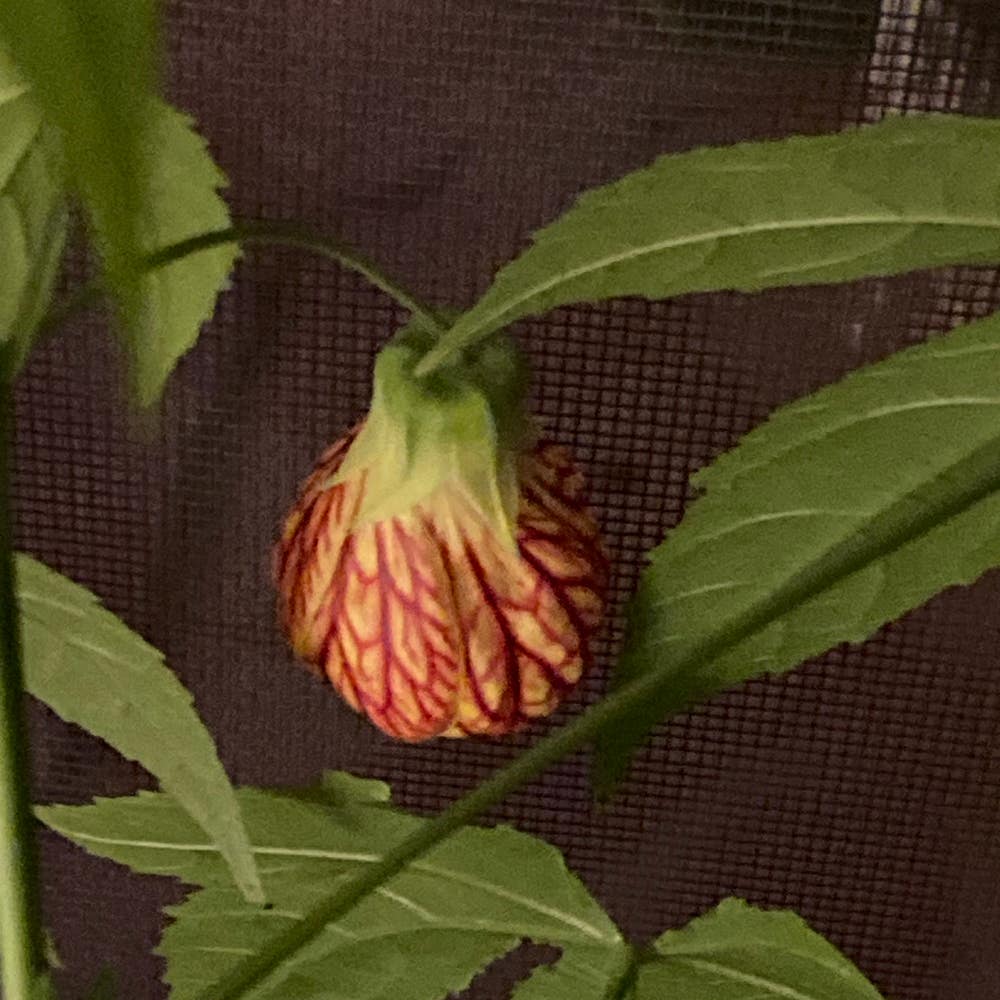
Indian Mallow is a feast for the eyes, boasting large, heart-shaped leaves that provide a lush backdrop for its vibrant blooms. The bright yellow-orange flowers are not just beautiful; they act as a magnet for pollinators and herbivores alike.
The young shoots of Indian Mallow are particularly tender and nutritious, making them a prime target for hungry animals. Additionally, the fruits are soft and easily accessible, further appealing to a variety of wildlife.
This combination of attractive foliage and delicious offerings makes Indian Mallow a popular choice for many animals in the garden. Understanding these appealing features can help you better protect your plants from potential herbivore threats.
As we delve deeper into the common herbivores that affect Indian Mallow, it’s essential to recognize how these appealing parts play a role in attracting them.
Common Herbivores Affecting Indian Mallow
🦌 Deer
Signs of Presence and Damage Caused
Deer are notorious for their appetite for Indian Mallow. Look for signs like browsing on leaves and broken branches, which indicate their presence. The damage they cause includes stripped foliage and stunted growth, making it crucial to monitor your plants closely.
Beneficial vs. Harmful Interaction
While deer can be a beautiful sight in nature, their impact on Indian Mallow is generally harmful. Without proper management, they can decimate plant populations, leading to significant losses in your garden.
Deterrent Methods
To keep deer at bay, consider using chemical deterrents like commercial deer repellents. Alternatively, you can opt for organic methods such as planting deer-resistant species or using human hair and soap shavings around your plants.
🐇 Rabbits
Signs of Presence and Damage Caused
Rabbits leave clear evidence of their munching habits. Look for cleanly cut stems and droppings near your plants, which signal their presence. Their damage often includes gnawed leaves and stems, resulting in reduced plant vigor.
Beneficial vs. Harmful Interaction
Rabbits are generally harmful to Indian Mallow. Their feeding can lead to significant plant damage, making them a pest that gardeners need to manage effectively.
Deterrent Methods
For an easy deterrent, try bitter-tasting sprays that make your plants less appealing. Additionally, fencing your garden with a height of 2-3 feet or using repellents like cayenne pepper can help keep rabbits away.
🐿️ Squirrels
Signs of Presence and Damage Caused
Squirrels can be quite the nuisance when it comes to Indian Mallow. Evidence of their presence includes chewed stems and scattered debris from their digging activities. They can cause bark stripping and uproot plants, leading to instability.
Beneficial vs. Harmful Interaction
Like many other herbivores, squirrels are generally harmful. Their activities can disrupt plant growth and stability, making them unwelcome visitors in your garden.
Deterrent Methods
To deter squirrels, consider using commercial squirrel repellents. You can also install motion-activated sprinklers or use netting to protect your plants from their antics.
🐦 Birds
Signs of Presence and Damage Caused
Birds can be both friends and foes in the garden. Look for evidence like pecked flowers and droppings on leaves. While they can disrupt pollination and consume seeds, they also play a vital role in the ecosystem.
Beneficial vs. Harmful Interaction
Birds are generally beneficial, as they attract pollinators. However, they can compete for seeds, creating a delicate balance in your garden.
Deterrent Methods
Typically, there are no chemical deterrents used against birds. Instead, you can employ scare tactics like reflective tape or decoys to keep them from feasting on your plants.
🐭 Rodents (Mice, Voles, etc.)
Signs of Presence and Damage Caused
Rodents can wreak havoc on Indian Mallow. Evidence includes tunnels, droppings, and gnawed roots. Their damage often leads to root damage and plant instability, which can be detrimental.
Beneficial vs. Harmful Interaction
Rodents are generally harmful to your plants. Their feeding habits can lead to plant death, making them a serious concern for gardeners.
Deterrent Methods
For rodent control, chemical deterrents like rodenticides can be effective, but use them with caution. Organic methods include traps and planting deterrent plants like mint to keep them away.
🦡 Groundhogs/Woodchucks
Signs of Presence and Damage Caused
Groundhogs, or woodchucks, can be particularly destructive. Look for evidence like burrows and gnawed stems. Their damage can result in significant plant loss and uprooting, which is frustrating for any gardener.
Beneficial vs. Harmful Interaction
Groundhogs are generally harmful, capable of devastating garden areas. Their presence can lead to a complete loss of your Indian Mallow if not managed properly.
Deterrent Methods
To deter groundhogs, consider using commercial repellents. Organic methods include fencing that is 3-4 feet high and employing motion-activated devices to scare them off.
In summary, understanding the common herbivores that affect Indian Mallow is essential for maintaining a healthy garden. By recognizing their signs and employing effective deterrent methods, you can protect your plants and ensure they thrive. Next, let’s explore the beneficial animals that can positively impact your garden ecosystem.
Beneficial Animals and Ecosystem Impact
🐝 Description of Beneficial Animals
In the garden, beneficial animals play a crucial role in maintaining balance. Pollinators like bees, butterflies, and hummingbirds are essential for the health of your Indian mallow and other plants.
🌼 Positive Impacts on the Garden Ecosystem
These pollinators enhance fruit and seed production, ensuring your plants thrive. Additionally, they support local biodiversity by providing habitats and food sources for various species.
Encouraging these beneficial creatures can lead to a flourishing garden ecosystem. By understanding their importance, you can create a welcoming environment that fosters both plant health and wildlife.
As you nurture your garden, consider how to attract these helpful animals while managing the herbivores that may pose a threat. This balance is key to a vibrant and productive garden.
General Strategies for Protecting Indian Mallow
🛡️ Preventive Measures for Herbivore Damage
To safeguard your Indian Mallow, consider planting companion plants that deter herbivores. These plants can create a natural barrier, making your garden less appealing to unwanted visitors.
Regular monitoring is also crucial. Keep an eye out for signs of animal activity, such as droppings or chewed leaves, so you can act quickly if necessary.
🚨 Reactive Solutions for Managing Animal Interactions
When you notice damage, immediate action is key. Set traps or apply repellents to deter the offending animals and prevent further harm.
Additionally, adjusting your garden layout can minimize access points for herbivores. Strategic placement of plants can create obstacles that make it harder for animals to reach your prized Indian Mallow.
🌱 Maintaining a Balanced Garden Ecosystem
Encouraging beneficial insects is essential for a thriving garden. Pollinators like bees and butterflies can enhance your garden's health while helping to manage harmful herbivores.
Understanding the role of each species in your ecosystem is vital. By fostering a balanced environment, you can enjoy the beauty of your Indian Mallow while keeping it safe from potential threats.
With these strategies in place, you'll be well-equipped to protect your plants and promote a healthy garden ecosystem. Next, let’s explore the seasonal considerations that can impact your Indian Mallow’s vulnerability.
Seasonal Considerations
🌱 Seasonal Variations in Animal Attraction
As the seasons change, so does the activity of herbivores around your Indian Mallow. In spring, the fresh new growth of leaves and shoots draws in hungry herbivores eager for a nutritious meal.
Summer brings a different dynamic, as the bright yellow-orange flowers bloom. This peak flowering period not only attracts pollinators but also herbivores looking to feast on the vibrant blossoms.
⏰ Timing of Plant Vulnerability
The young shoots of Indian Mallow are particularly vulnerable in early spring. This is when they are tender and nutritious, making them a prime target for various animals.
As the plants enter their flowering stage in late spring to summer, they become magnets for a range of animals. While this is great for pollination, it also means increased herbivore activity, which can lead to significant plant damage if not managed properly.
Understanding these seasonal patterns is crucial for protecting your Indian Mallow and ensuring a thriving garden ecosystem. With this knowledge, you can take proactive steps to safeguard your plants as the seasons shift.
Toxicity and Safety
Toxic Effects on Animals 🐾
Indian Mallow possesses mild toxicity, which can act as a natural deterrent for some herbivores. This characteristic may help protect the plant from excessive grazing, allowing it to thrive in its environment.
Implications for Herbivore Interactions 🦌
Understanding the toxicity levels of Indian Mallow is crucial for managing herbivore interactions. Some animals, like deer and rabbits, may be more sensitive to these toxins, while others, such as squirrels, might not be deterred at all.
Balancing plant health with effective herbivore management strategies is essential. By recognizing which animals are less affected by toxicity, gardeners can implement targeted approaches to protect their Indian Mallow while fostering a healthy ecosystem.
As we explore further, let’s delve into general strategies for protecting Indian Mallow from herbivore damage.
⚠️ Safety First
This content is for general information and may contain errors, omissions, or outdated details. It is not medical, veterinary advice, or an endorsement of therapeutic claims.
Always consult a qualified healthcare professional before using any plant as food, medicine, or supplement.
Never eat any plant (or feed one to pets) without confirming its identity with at least two trusted sources.
If you suspect poisoning, call Poison Control (800) 222-1222, the Pet Poison Helpline (800) 213-6680, or your local emergency service immediately.
Spotted an error? Please report it here.
Protect your Indian Mallow from pesky herbivores 🐾 by using Greg's tailored monitoring alerts and expert tips to create a flourishing garden ecosystem!