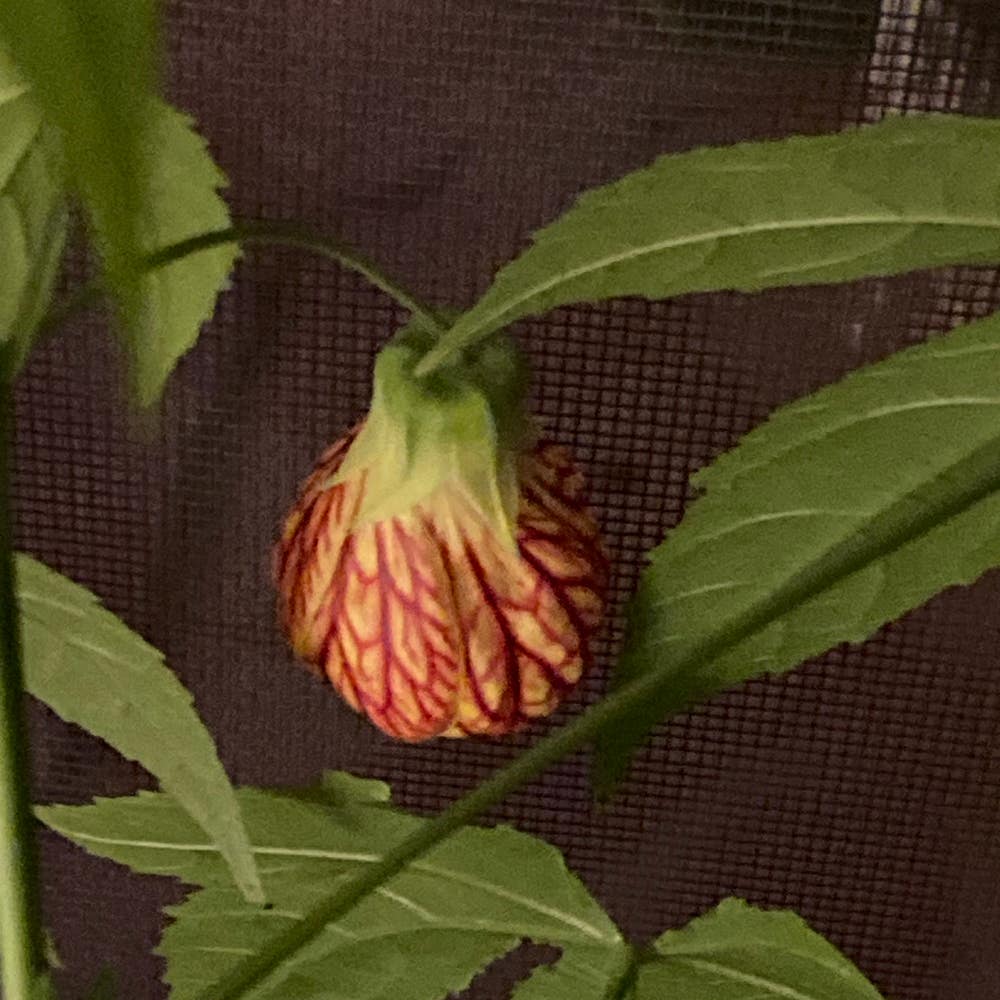
3 Tips for Healing Brown Spots on Your Indian Mallow 🩹
Abutilon malacum
By the Greg Editorial Team
Nov 22, 2024•6 min read
This article was created with the help of AI so we can cover more plants for you. May contain errors. See one? Report it here.
Revive your Indian Mallow from pesky brown spots 🌱 and unlock its full potential with these expert care tips!
- 🌱 Brown spots on Indian Mallow stem from infections, deficiencies, or environmental stressors.
- 💧 Overwatering and underwatering both lead to brown spots; maintain a consistent watering schedule.
- ☀️ Excessive sunlight causes sunburn; provide 4-6 hours of filtered sunlight daily.
Causes of Brown Spots
🦠 Fungal Infections and Their Impact
Fungal infections are a common culprit behind brown spots on Indian Mallow. Leaf spot fungi, such as Alternaria and Cercospora, manifest as dark brown to black spots often surrounded by yellow halos, indicating a serious issue.
These infections can severely impact plant health, leading to leaf drop and reduced vigor. If left untreated, your plant may struggle to thrive.
🦠 Bacterial Infections and Symptoms
Bacterial issues, particularly bacterial leaf spot, can also cause brown spots. You’ll notice water-soaked spots that eventually turn brown, often taking on a greasy appearance.
These infections can spread rapidly, causing significant damage to your plant if not addressed promptly.
🥦 Nutrient Deficiencies
Nitrogen Deficiency
A nitrogen deficiency can lead to yellowing leaves accompanied by brown spots and stunted growth. Nitrogen is crucial for leaf health, and without it, your Indian Mallow may not flourish.
Potassium Deficiency
Potassium deficiency presents as marginal browning of leaves and weak stems. This nutrient plays a vital role in overall plant health, affecting everything from growth to disease resistance.
🌧️ Environmental Stressors
Overwatering
Overwatering can cause wilting, yellowing, and brown spots due to root rot. Ensuring well-draining soil is essential to prevent this issue.
Underwatering
On the flip side, underwatering leads to dry, crispy leaves with brown edges. Recognizing these signs of stress is key to maintaining your plant's health.
☀️ Sunburn and Leaf Scorch
Excessive exposure to direct sunlight can result in bleached or brown patches on leaves. Providing adequate shade during peak sun hours is crucial to protect your Indian Mallow from sunburn.
Understanding these causes is the first step in addressing brown spots effectively. Next, we’ll explore how to diagnose these issues accurately.
Diagnosing Brown Spots
Identifying the Type of Brown Spots 🌟
When diagnosing brown spots on your Indian Mallow, start by examining their size and shape. Are they small and circular, or large and irregular?
Next, consider their location on the plant. Are they appearing on the upper leaves, or are they more prevalent on the lower ones? Additionally, check if the spots are on new growth or older leaves, as this can provide clues about the underlying issue.
Differentiating Between Fungal and Bacterial Issues 🦠
To effectively treat brown spots, you must differentiate between fungal and bacterial problems. Look for visual cues: fungal infections often present as fuzzy or powdery textures, while bacterial issues may appear greasy or water-soaked.
Accurate diagnosis is crucial for effective treatment. Misidentifying the problem can lead to ineffective solutions, so take the time to observe these differences closely.
Assessing Environmental Conditions 🌍
Environmental conditions play a significant role in the health of your Indian Mallow. Start by evaluating the light exposure; is your plant receiving the right amount and intensity of sunlight?
Next, consider humidity levels. Indian Mallow thrives in specific humidity ranges, so ensure your plant's environment meets these needs. Lastly, assess the temperature; maintaining an optimal range is essential for healthy growth and can prevent stress-related issues.
By carefully diagnosing the type of brown spots and assessing environmental conditions, you can set the stage for effective treatment and recovery. Now, let’s explore how to treat these brown spots effectively.
Treating Brown Spots
🌱 Step-by-Step Treatment for Fungal Infections
Fungal infections can wreak havoc on your Indian Mallow. Start by identifying the type of fungal infection affecting your plant.
Next, remove any affected leaves to prevent the spread of the disease. This simple step can significantly improve your plant's health.
After that, apply an appropriate fungicide according to the instructions on the label. Finally, enhance air circulation around the plant to reduce humidity, which can help prevent future outbreaks.
🦠 Remedies for Bacterial Infections
Bacterial infections require a slightly different approach. Begin by removing severely affected leaves to minimize damage.
Then, apply a copper-based bactericide to combat the infection effectively. It's also crucial to ensure proper watering practices to avoid leaf wetness, which can exacerbate bacterial issues.
💧 Adjusting Watering Practices
Watering practices play a vital role in plant health. Establish a consistent watering schedule based on soil moisture levels to keep your Indian Mallow thriving.
Consider using the Greg plant care app for reminders to help you stay on track with your watering routine.
🌿 Nutrient Supplementation Strategies
Nutrient deficiencies can lead to brown spots, so supplementation is key. Use balanced fertilizers to address any deficiencies your plant may have.
For optimal growth, aim for NPK ratios suitable for Indian Mallow, ensuring your plant receives the nutrients it needs to flourish.
🐞 Using Organic Pesticides for Pest-Related Issues
Pests can also contribute to brown spots on your plant. Start by identifying common pests like aphids and spider mites.
Once identified, apply neem oil or insecticidal soap as a treatment. These organic options are effective and safe for your plant's health.
With these treatment strategies, you can effectively tackle brown spots on your Indian Mallow. Next, let's explore how to prevent these issues from arising in the first place.
Preventing Brown Spots
💧 Best Practices for Watering Indian Mallow
To keep your Indian Mallow thriving, it's crucial to establish a proper watering routine. Allow the soil to dry slightly between waterings to prevent root rot and promote healthy growth.
Deep watering is key. This technique encourages roots to grow deeper, making your plant more resilient to stress and drought.
☀️ Optimal Light Conditions for Healthy Growth
Indian Mallow loves sunlight, but moderation is essential. Aim for 4-6 hours of filtered sunlight each day to ensure your plant gets the energy it needs without the risk of sunburn.
Avoid exposing your plant to harsh midday sun. This can lead to leaf scorch, which manifests as unsightly brown patches.
🐛 Regular Monitoring for Pests and Diseases
Stay proactive by scheduling inspections every 1-2 weeks. Regular checks help you catch any issues early, preventing them from escalating.
Look for signs of trouble, such as discoloration, webbing, or sticky residue on leaves. These can indicate pest infestations or diseases that need immediate attention.
🌱 Soil Health and Nutrient Management
Healthy soil is the foundation of a thriving plant. Ensure you use a well-draining soil mix to prevent waterlogging and promote root health.
Regular soil testing is also beneficial. This helps you monitor nutrient levels and make adjustments as needed to keep your Indian Mallow in top shape.
🍂 Seasonal Care Tips to Avoid Stress
Adjust your care routines based on the changing seasons. Different weather conditions can affect your plant's needs, so be attentive.
Prepare your Indian Mallow for temperature fluctuations by providing adequate protection during extreme weather. This will help it stay healthy and vibrant year-round.
By following these preventive measures, you can significantly reduce the risk of brown spots on your Indian Mallow. Next, let's explore how to diagnose brown spots effectively to ensure your plant receives the right treatment.
⚠️ Safety First
This content is for general information and may contain errors, omissions, or outdated details. It is not medical, veterinary advice, or an endorsement of therapeutic claims.
Always consult a qualified healthcare professional before using any plant as food, medicine, or supplement.
Never eat any plant (or feed one to pets) without confirming its identity with at least two trusted sources.
If you suspect poisoning, call Poison Control (800) 222-1222, the Pet Poison Helpline (800) 213-6680, or your local emergency service immediately.
Spotted an error? Please report it here.
Transform your Indian Mallow's health and banish brown spots 🌱 with Greg's tailored watering and nutrient tips that ensure your plant thrives!