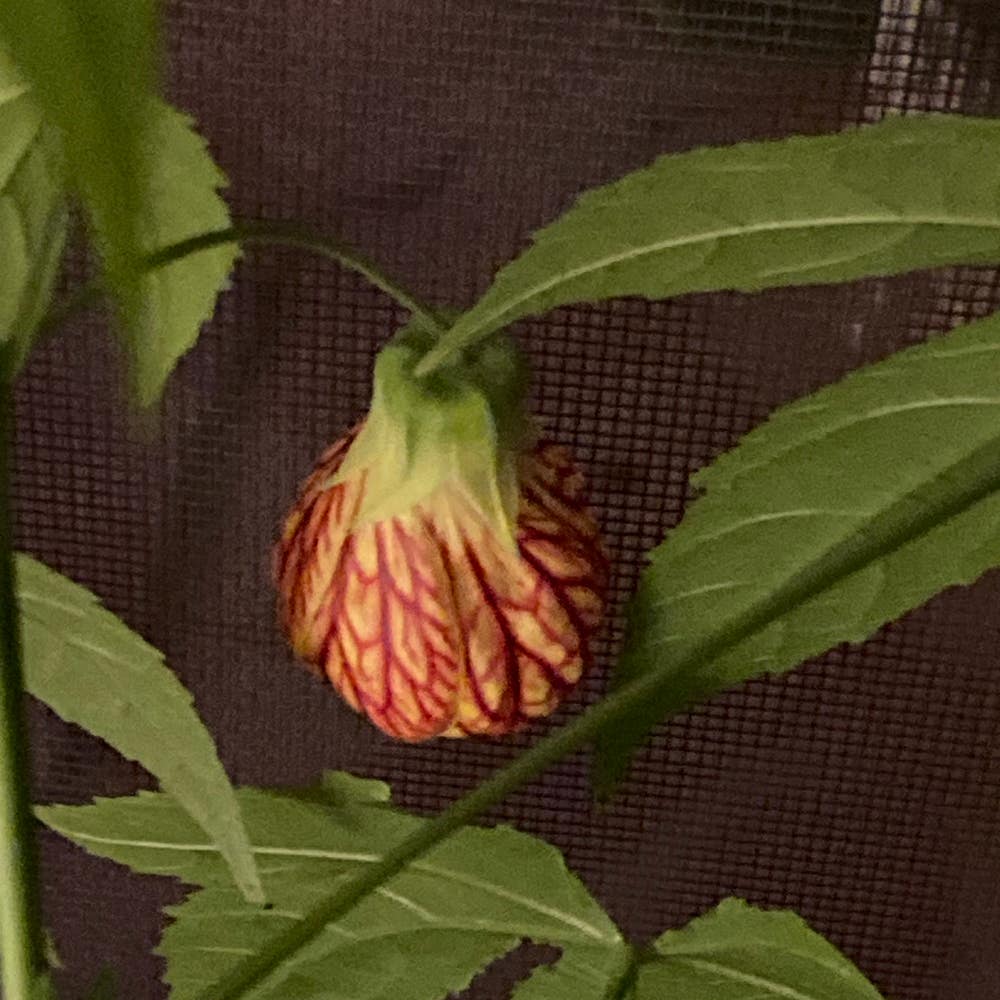
🌼 Indian Mallow Is a Perennial
Abutilon malacum
By the Greg Editorial Team
Nov 22, 2024•7 min read
This article was created with the help of AI so we can cover more plants for you. May contain errors. See one? Report it here.
Elevate your garden effortlessly with Indian Mallow's vibrant blooms and resilient, low-maintenance nature! 🌼🌱
- 🌱 Indian Mallow is a perennial, thriving year after year without replanting.
- 🌼 It flowers in late spring and summer, providing vibrant displays throughout the season.
- 🌍 Deep roots enhance drought resistance, ensuring resilience in various environmental conditions.
Key Characteristics of Indian Mallow
🌱 Multi-Year Lifecycle
Indian Mallow is a remarkable perennial that showcases a multi-year lifecycle. It progresses through distinct growth phases: seedling, vegetative, flowering, and dormancy, allowing it to thrive across multiple seasons.
This plant's lifespan typically spans several years, making it a resilient choice for gardeners. Its ability to endure and flourish over time sets it apart from annuals, which require replanting each year.
🌿 Growth Patterns and Root Regeneration
The root system of Indian Mallow is well-established, featuring both depth and spread that anchor it firmly in the soil. This robust root structure not only supports the plant but also enables it to regenerate each year, ensuring a vibrant return.
In terms of growth habit, Indian Mallow exhibits a bushy and upright structure. This growth pattern not only enhances its aesthetic appeal but also contributes to its overall health and resilience in the garden.
As we explore the implications of Indian Mallow's perennial nature on growth and flowering, we will uncover how these characteristics benefit both the plant and the gardener.
Growth and Flowering Implications
🌱 Effects of Perennial Nature on Growth
Indian Mallow thrives on its perennial nature, enjoying a continuous growth cycle that allows it to establish a robust presence in gardens. This resilience stems from its deep and extensive root system, which not only anchors the plant but also helps it withstand environmental stressors like drought and poor soil conditions.
With each passing season, Indian Mallow can tap into its established roots to draw nutrients and moisture, ensuring consistent growth. This ability to regenerate from its roots each year means that gardeners can enjoy a vibrant display without the hassle of replanting.
🌼 Flowering Cycles and Patterns
Indian Mallow typically showcases its blooms during the warmer months, with flowering periods peaking in late spring and summer. The flowers are not just plentiful; they come in a variety of colors and sizes, adding a lively touch to any garden.
The frequency of blooms is impressive, as the plant continues to flower throughout its active growing season. Its perennial status enhances flowering longevity, allowing for a more extended display of beauty compared to annuals, which must be replanted each year.
In summary, understanding the growth and flowering implications of Indian Mallow can significantly enhance your gardening experience. This plant's resilience and vibrant blooms make it a fantastic choice for any garden enthusiast looking to create a lasting impact.
As we delve deeper into the seasonal changes that affect Indian Mallow, we’ll explore how its growth behavior shifts throughout the year.
Dormancy and Seasonal Changes
🌱 Description of Dormancy Periods
Indian Mallow experiences a distinct dormancy period, typically occurring during the colder months. During this time, you may notice signs such as leaf drop and reduced growth, indicating that the plant is conserving energy for the upcoming growing season.
🌍 Seasonal Changes Throughout the Year
Understanding how Indian Mallow behaves throughout the seasons can enhance your gardening experience.
🌼 Spring: Emergence and Growth
In spring, Indian Mallow awakens from dormancy, showcasing vibrant new growth. This is the time when you’ll see fresh leaves unfurling and the plant preparing for its active phase.
☀️ Summer: Peak Flowering and Growth
Summer is the prime time for Indian Mallow, marked by peak flowering and lush growth. The plant bursts into color, attracting pollinators and adding beauty to your garden.
🍂 Fall: Preparation for Dormancy
As fall approaches, Indian Mallow begins to prepare for dormancy. Growth slows down, and the plant starts to conserve resources in anticipation of the colder months ahead.
❄️ Winter: Dormancy Phase and Root Activity
During winter, Indian Mallow enters a deep dormancy phase. While above-ground activity halts, the roots remain active, absorbing nutrients and moisture to support future growth.
This cyclical pattern of dormancy and seasonal changes not only contributes to the resilience of Indian Mallow but also makes it a fascinating addition to any garden. Understanding these cycles can help you plan your gardening strategies effectively, ensuring your plants thrive year after year.
Advantages for Gardeners
Benefits of Reduced Replanting 🌱
One of the standout advantages of Indian Mallow is its ability to thrive year after year without the need for replanting. This not only makes it a cost-effective choice for gardeners but also saves valuable time that can be spent enjoying your garden rather than maintaining it.
Perennials like Indian Mallow offer a long-term investment, allowing you to cultivate a vibrant landscape with less effort. Imagine planting once and watching your garden flourish season after season—it's a gardener's dream come true!
Importance of Established Root Systems 🌳
The established root systems of Indian Mallow play a crucial role in its resilience. These deep and widespread roots enhance drought resistance, allowing the plant to access moisture even during dry spells.
Additionally, a robust root system improves nutrient uptake, ensuring that your plants remain healthy and vibrant. This stability also helps reduce soil erosion, making Indian Mallow not just a beautiful addition to your garden but also a responsible choice for the environment.
With these benefits in mind, gardeners can appreciate the practical advantages of incorporating Indian Mallow into their planting strategies. As we explore the lifespan and longevity factors of this perennial, you'll discover even more ways to maximize its potential in your garden.
Lifespan and Longevity Factors
🌱 Expected Lifespan of Indian Mallow
Indian Mallow typically enjoys an average lifespan of 3 to 5 years when grown under optimal conditions. However, this can vary significantly based on the level of care provided and the specific environmental factors at play.
🌍 Factors Influencing Longevity Across Climate Zones
One of the remarkable traits of Indian Mallow is its adaptability to various climate zones. Whether in tropical or temperate regions, its resilience shines through.
- Soil Quality: Healthy, nutrient-rich soil promotes robust growth and longevity.
- Water Availability: Consistent moisture is crucial; too little or too much can shorten its lifespan.
- Temperature: Extreme temperatures can stress the plant, impacting its overall health and longevity.
Understanding these factors can help gardeners maximize the lifespan of Indian Mallow, ensuring it thrives season after season. With the right conditions, this perennial can be a lasting addition to any garden.
As we explore the next section, we'll delve into tips for maximizing the benefits of Indian Mallow's perennial nature in garden planning and long-term cultivation.
Tips for Maximizing the Benefits of Indian Mallow's Perennial Nature in Garden Planning and Long-Term Cultivation
🌱 Strategic Planting Techniques
Companion planting can significantly enhance the growth of Indian Mallow. Pair it with other perennials that thrive in similar conditions to create a vibrant, diverse garden.
Optimal spacing is crucial for healthy growth. Ensure that plants have enough room to breathe, allowing for good airflow and reducing the risk of disease.
🛠️ Maintenance Practices
Seasonal care is essential for supporting the growth and flowering of Indian Mallow. Regularly check for pests and diseases, and provide adequate water during dry spells.
Mulching plays a vital role in maintaining soil health. It helps retain moisture, suppress weeds, and enrich the soil as it decomposes, promoting longevity for your plants.
🌦️ Planning for Climate Variations
Adjust your care routine based on local climate conditions. Understanding the specific needs of Indian Mallow in your area can lead to a more successful gardening experience.
Microclimates within your garden can also impact plant health. Identify areas that may be warmer or cooler and place your Indian Mallow accordingly for optimal growth.
By implementing these strategies, you can fully leverage the benefits of Indian Mallow's perennial nature, ensuring a flourishing garden year after year. Next, let's explore the expected lifespan of Indian Mallow and the factors that influence its longevity across different climate zones.
⚠️ Safety First
This content is for general information and may contain errors, omissions, or outdated details. It is not medical, veterinary advice, or an endorsement of therapeutic claims.
Always consult a qualified healthcare professional before using any plant as food, medicine, or supplement.
Never eat any plant (or feed one to pets) without confirming its identity with at least two trusted sources.
If you suspect poisoning, call Poison Control (800) 222-1222, the Pet Poison Helpline (800) 213-6680, or your local emergency service immediately.
Spotted an error? Please report it here.
Cultivate a vibrant garden 🌼 with Indian Mallow by using Greg's tailored care reminders to ensure your perennial thrives beautifully through every season!