Indian Mallow: Not an Invasive Plant
Abutilon malacum
By the Greg Editorial Team
Nov 22, 2024•6 min read
This article was created with the help of AI so we can cover more plants for you. May contain errors. See one? Report it here.
Transform your garden with Indian Mallow 🌱, a stunning plant that nurtures local ecosystems without being invasive!
- 🌱 Indian Mallow is non-invasive, with moderate growth and controlled spread in gardens.
- 🐝🌼 Attracts pollinators and supports local wildlife, enhancing garden biodiversity.
- 🌞🌿 Thrives in various light conditions and requires low maintenance for vibrant blooms.
Plant Classification
🌱 Definition of Invasive Species
Invasive species are plants or animals that grow rapidly and spread aggressively, often outcompeting native flora. They can disrupt local ecosystems, leading to a decline in biodiversity and negatively impacting the environment.
Key characteristics of invasive species include:
- Rapid growth and spread: They can quickly take over an area, making it difficult for native species to thrive.
- Displacement of native flora: Invasive plants often dominate resources, pushing out local plants.
- Negative impact on local ecosystems: Their presence can alter habitats and harm wildlife.
🌼 Why Indian Mallow is Not Invasive
Indian Mallow, or Abutilon, stands apart from invasive species due to its moderate growth rate. Typically reaching heights of 3-6 feet, it maintains a bushy appearance that fits well in garden settings without overwhelming them.
Growth Behavior
- Moderate growth rate: Indian Mallow grows steadily, allowing for easy management in garden spaces.
- Controlled spread: Its bushy structure fills areas nicely, providing beauty without chaos.
Ecological Balance
Indian Mallow contributes positively to its environment. It does not outcompete native plants, ensuring that local ecosystems remain intact.
- Benefits local wildlife: This plant supports various species without overwhelming them, fostering a healthy ecological balance.
- Coexistence with native flora: Its presence enhances biodiversity, making gardens more vibrant and alive.
In summary, Indian Mallow is a valuable addition to gardens, promoting ecological health while avoiding the pitfalls of invasive species. Next, we will explore its growth habits in more detail, including typical growth patterns and natural limits to its spread.
Growth Habits
Typical Growth Patterns 🌱
Indian Mallow exhibits a moderate growth rate, typically reaching heights of 3 to 6 feet. Its bushy structure allows it to fill garden spaces effectively without overwhelming other plants.
Light and Soil Preferences
This plant thrives in well-drained soils, making it a versatile choice for various garden settings. It can tolerate a range of light conditions, from full sun to partial shade, ensuring it can adapt to different environments.
Natural Limits to Growth 🌿
Several factors naturally limit the spread of Indian Mallow. Soil quality and moisture levels play a significant role, as does competition with other plants in the garden.
Maintenance Practices to Control Growth
To maintain its desired size and shape, regular pruning is essential. Additionally, monitoring for any unwanted spread beyond designated areas helps keep this plant in check, ensuring it remains a beneficial addition to your garden.
With its manageable growth habits, Indian Mallow can enhance your garden without becoming invasive. Next, let’s explore its ecological role and the benefits it brings to local ecosystems.
Ecological Role
Benefits in Ecosystems 🌼
Indian Mallow plays a vital role in maintaining ecological balance. Its robust root system helps prevent soil erosion, making it an excellent choice for slopes and banks.
Additionally, the vibrant flowers of Indian Mallow are a magnet for pollinators. Bees, butterflies, and other beneficial insects flock to its blooms, supporting local biodiversity.
Positive Interactions with Wildlife 🦜
This plant doesn't just benefit the soil; it also provides essential habitat for various wildlife species. Indian Mallow offers shelter and food sources, creating a welcoming environment for birds and small mammals.
Moreover, it thrives alongside native flora, enhancing biodiversity in gardens. Its compatibility with other plants means it can coexist harmoniously, contributing to a richer ecosystem.
As you consider incorporating Indian Mallow into your garden, remember its ecological benefits. This plant not only beautifies your space but also supports the environment, making it a fantastic choice for sustainable gardening.
Next, we will explore effective garden management strategies to maximize the beauty and benefits of Indian Mallow.
Garden Management
Incorporating into Garden Designs 🌼
When planning your garden, consider using Indian Mallow as a striking focal point or a lush backdrop in flower beds. Its bushy structure and vibrant blooms can create a stunning visual impact, especially when paired with complementary plants that enhance its beauty.
Seasonal considerations are key to successful gardening. Plant Indian Mallow in the spring for optimal growth, and ensure you provide appropriate care throughout the seasons to keep it thriving.
Controlling Growth for Aesthetics ✂️
To maintain the desired shape and prevent overgrowth, regular pruning is essential. This not only keeps your garden looking tidy but also encourages healthy growth.
Monitoring growth is equally important. Keep an eye on how Indian Mallow spreads, and adjust your care practices as needed to ensure it remains within designated areas. This proactive approach will help you enjoy its beauty without it becoming overwhelming.
As you manage your garden, remember that Indian Mallow can coexist beautifully with other plants, enhancing the overall aesthetic and ecological balance. Transitioning to the next topic, let's explore how this plant plays a vital role in local ecosystems.
Comparison to Other Plants
🌱 Similar Non-Invasive Plants
When considering non-invasive plants, Indian Mallow stands out alongside others like Hibiscus and various Abutilon species. These plants share similar growth habits and offer ecological benefits, making them excellent choices for garden enthusiasts.
- Growth Habits: Like Indian Mallow, Hibiscus and Abutilon typically exhibit moderate growth, making them manageable in garden settings.
- Ecological Benefits: All three contribute positively to local ecosystems, attracting pollinators and supporting biodiversity.
🌼 Unique Qualities
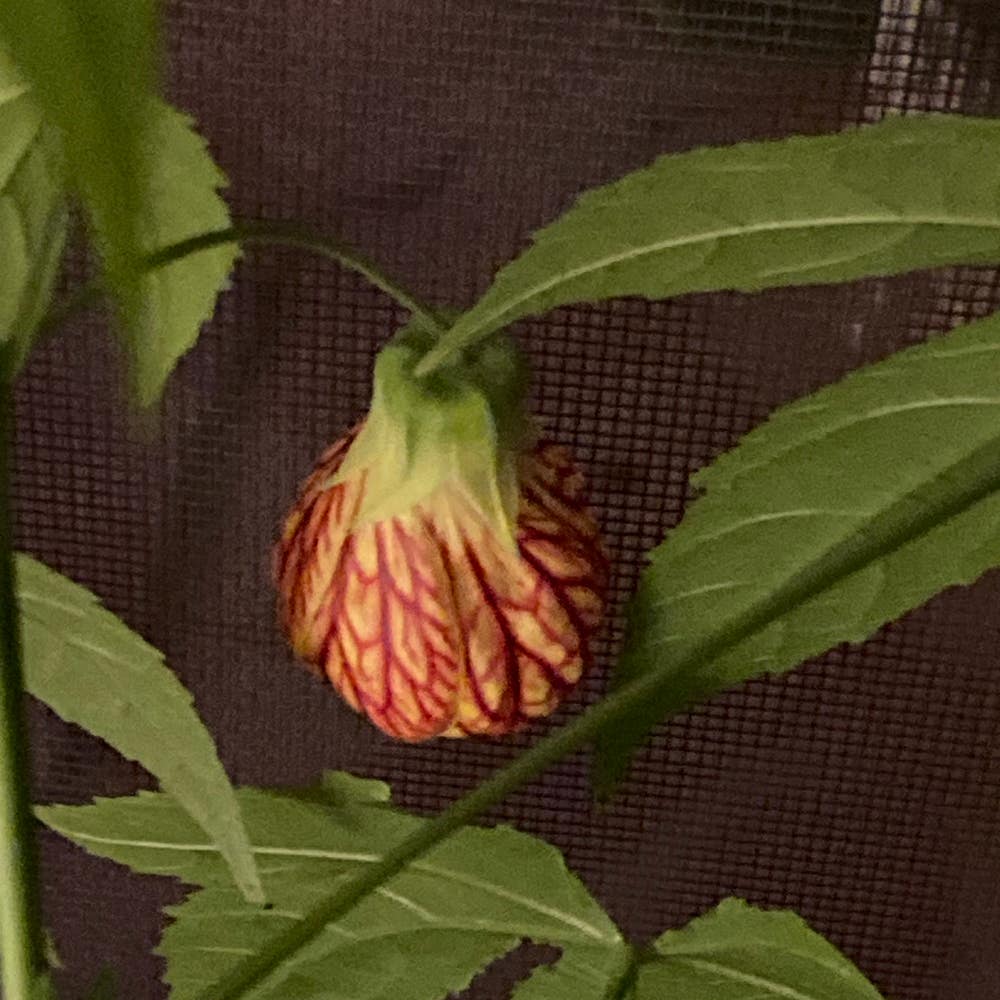
Indian Mallow boasts distinctive features that set it apart from its non-invasive counterparts. Its bell-shaped flowers are not only visually appealing but also specifically attract a variety of pollinators.
- Pollinator Attraction: The unique flower structure draws in bees, butterflies, and other beneficial insects, enhancing the garden's ecological health.
- Versatility in Garden Settings: This plant adapts well to various light and soil conditions, making it a versatile choice for different garden designs.
Incorporating Indian Mallow into your garden can elevate its aesthetic while promoting a healthy ecosystem. As we explore garden management strategies next, consider how to best integrate this remarkable plant into your landscape.
Legal and Environmental Considerations
🌱 Classifications and Guidelines
When considering planting Indian Mallow, it's essential to check local regulations. Many regions confirm its non-invasive status, allowing gardeners to enjoy its beauty without concern for ecological disruption.
Responsible gardening practices are also crucial. This includes understanding the plant's growth habits and ensuring it remains contained within designated areas to maintain ecological balance.
🌍 Role in Sustainable Gardening
Indian Mallow plays a significant role in promoting biodiversity and enhancing ecosystem health. Its ability to thrive in various conditions makes it a valuable addition to any garden.
Moreover, it requires low maintenance, which is a win-win for busy gardeners. By choosing Indian Mallow, you contribute to a healthier environment while enjoying its vibrant blooms and ecological benefits.
As you plan your garden, consider how Indian Mallow can fit into your sustainable gardening strategy. Its presence not only beautifies your space but also supports local wildlife and plant diversity.
⚠️ Safety First
This content is for general information and may contain errors, omissions, or outdated details. It is not medical, veterinary advice, or an endorsement of therapeutic claims.
Always consult a qualified healthcare professional before using any plant as food, medicine, or supplement.
Never eat any plant (or feed one to pets) without confirming its identity with at least two trusted sources.
If you suspect poisoning, call Poison Control (800) 222-1222, the Pet Poison Helpline (800) 213-6680, or your local emergency service immediately.
Spotted an error? Please report it here.
Elevate your garden's beauty and support local wildlife 🌼 with Indian Mallow, and let Greg guide you with tailored care tips to keep it thriving effortlessly!