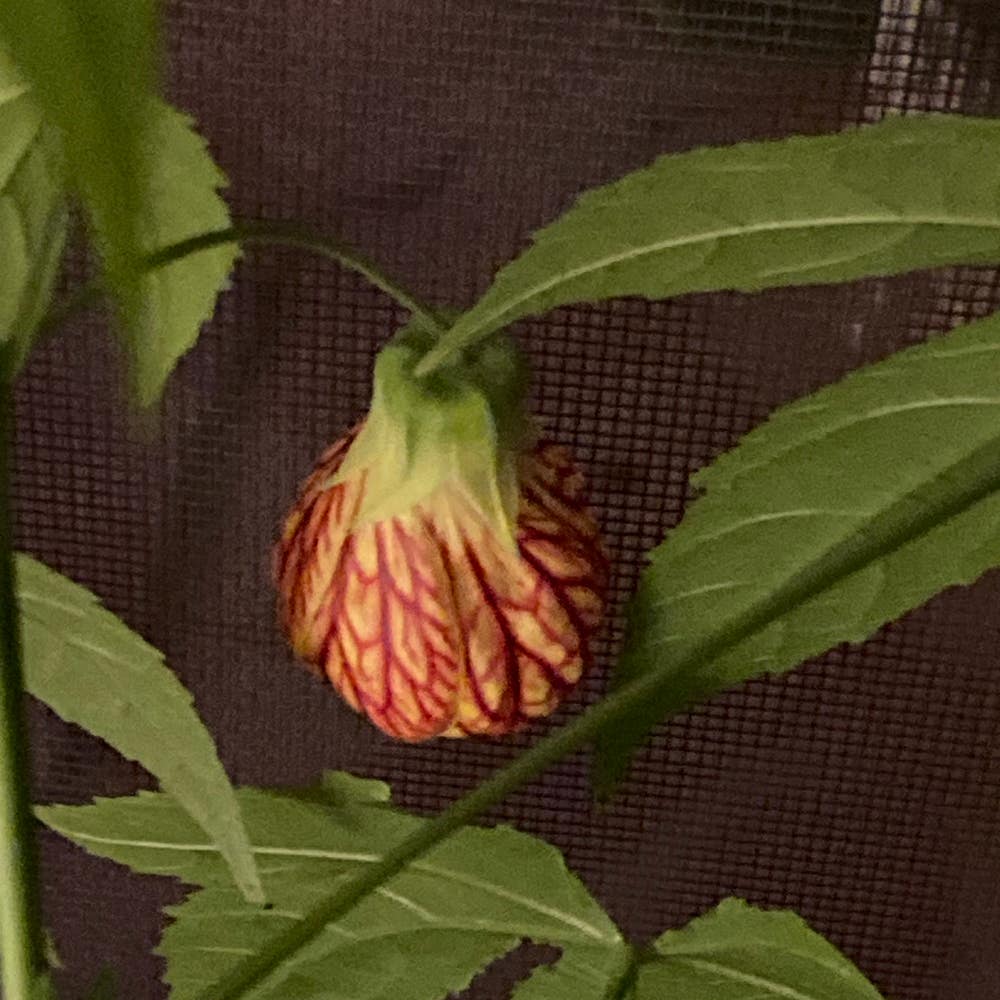
How to Grow Indian Mallow: From Soil to Sun ☀️
Abutilon malacum
By the Greg Editorial Team
Nov 22, 2024•5 min read
This article was created with the help of AI so we can cover more plants for you. May contain errors. See one? Report it here.
Cultivate a stunning garden with Indian Mallow 🌼 by mastering essential planting and care tips for vibrant growth!
- ☀️ Indian Mallow thrives in full sun, needing 6-8 hours of sunlight daily.
- 🌱 Soil should be slightly acidic to neutral, with a pH of 6.0 to 7.0.
- 💧 Good drainage is crucial; avoid root rot by enhancing soil with organic matter.
Site Selection and Preparation
🌍 Choosing the Right Location
When growing Indian Mallow, selecting the right location is crucial. Aim for a spot that receives full sun to partial shade, ideally 6 to 8 hours of sunlight daily.
Space is another important factor. Ensure adequate spacing between plants to promote air circulation and healthy growth.
🏗️ Soil Preparation
Next, focus on soil preparation. Indian Mallow thrives in slightly acidic to neutral soil, with a pH range of 6.0 to 7.0.
Good drainage is essential to prevent root rot. Incorporate organic matter or compost into the soil to enhance fertility and support robust plant growth.
🌱 Container vs. Ground Planting Considerations
Deciding between container and ground planting can impact your gardening experience. Container gardening is perfect for limited spaces; just remember to choose pots with drainage holes.
If you opt for ground planting, ensure there’s sufficient space for root expansion. This will allow your Indian Mallow to flourish without restrictions.
With the right location and soil preparation in place, you're ready to move on to the exciting process of planting Indian Mallow!
Planting Indian Mallow
🌱 Seed Starting vs. Transplanting
Starting Indian Mallow from seeds is a rewarding experience. Expect germination within 7-14 days, ideally at temperatures between 70°F and 75°F (21°C to 24°C).
Transplanting is another effective method. The best time to transplant is after the last frost when the soil has warmed up, ensuring a smooth transition for your plants.
📏 Planting Depth and Spacing
When planting seeds, aim for a depth of about 1/4 inch. For seedlings, transplant them at the same depth they were in their pots to avoid transplant shock.
Spacing is crucial for healthy growth. For ground planting, maintain a distance of 2-3 feet between plants. If you’re using containers, keep them 1-2 feet apart to allow for air circulation.
⏰ Timing for Planting
Timing your planting is essential for success. Indian Mallow thrives best when planted in spring, after the danger of frost has passed. This ensures your plants have the best chance to establish themselves and flourish.
With these planting tips in mind, you’re well on your way to cultivating a vibrant Indian Mallow garden. Next, let’s explore how to properly care for your plants through watering and fertilizing.
Watering and Fertilizing
💧 Watering Frequency and Techniques
Indian Mallow thrives best when the soil remains consistently moist but not waterlogged. To achieve this balance, consider using drip irrigation or watering directly at the base of the plant to keep foliage dry and healthy.
📅 Fertilization Schedule and Types of Fertilizers
During the growing season, apply a balanced fertilizer every 4-6 weeks to support robust growth. Opt for organic fertilizers or slow-release granules, which provide sustained nutrition without overwhelming the plant.
⚖️ Signs of Overwatering or Underwatering
Be vigilant for signs of overwatering, such as yellowing leaves, wilting, and root rot. Conversely, if you notice drooping leaves, dry soil, or stunted growth, your Indian Mallow may be suffering from underwatering.
Maintaining the right balance of water and nutrients is crucial for the health of your Indian Mallow. With proper care, your plants will flourish, setting the stage for the next steps in their growth journey.
Pruning and Maintenance
When and How to Prune Indian Mallow 🌿
Pruning is essential for maintaining the health and shape of your Indian Mallow. Aim to prune in late winter or early spring, just before new growth begins.
Remove any dead or damaged branches to encourage fresh growth. Shaping the plant during this time helps promote a bushier appearance and better air circulation.
Maintenance Tips for Healthy Growth 🧹
Regular maintenance is key to thriving Indian Mallow. Keep an eye out for pests and diseases, as early detection can save your plants from serious damage.
Mulching is another effective strategy. Applying organic mulch not only retains moisture but also suppresses weeds, giving your plants the best chance to flourish.
Seasonal Care Routines 🌸
Each season brings unique care routines for your Indian Mallow. In spring, focus on fertilization and pruning to kickstart growth.
During the summer, ensure regular watering and monitor for pests. As fall approaches, prepare your plants for winter by reducing watering and adding mulch for insulation.
By following these pruning and maintenance tips, you’ll set your Indian Mallow up for success throughout the year. Next, let’s dive into common challenges and solutions to keep your plants thriving.
Common Challenges and Solutions
🐛 Pests and Diseases Affecting Indian Mallow
Indian Mallow can face several pest challenges. Common culprits include aphids, spider mites, and whiteflies, which can sap the plant's vitality.
Diseases like root rot and powdery mildew can also threaten your plants. Keeping an eye on your plants and acting quickly can help mitigate these issues.
🌡️ Environmental Stress Factors
Heat stress is a significant concern for Indian Mallow. Signs include wilting and leaf scorch; providing shade during the hottest parts of the day can help your plants recover.
Cold stress is another factor to consider. Protect your plants from frost by using covers or moving containers indoors when temperatures drop.
🛠️ Troubleshooting Growth Issues
Yellowing leaves can indicate nutrient deficiency or overwatering. Regularly check your watering habits and consider a balanced fertilizer if nutrients are lacking.
Stunted growth may signal root-bound conditions in containers or poor soil quality. Ensure your plants have enough space to grow and that the soil is well-draining and nutrient-rich.
By staying vigilant and addressing these challenges promptly, you can ensure your Indian Mallow thrives. Next, let’s explore the essential pruning and maintenance techniques to keep your plants healthy and vibrant.
⚠️ Safety First
This content is for general information and may contain errors, omissions, or outdated details. It is not medical, veterinary advice, or an endorsement of therapeutic claims.
Always consult a qualified healthcare professional before using any plant as food, medicine, or supplement.
Never eat any plant (or feed one to pets) without confirming its identity with at least two trusted sources.
If you suspect poisoning, call Poison Control (800) 222-1222, the Pet Poison Helpline (800) 213-6680, or your local emergency service immediately.
Spotted an error? Please report it here.
Grow your Indian Mallow with confidence 🌱 by using Greg's tailored watering reminders and expert tips to keep your plants thriving in the perfect conditions!