5 Tips for Blooming Your Indian Mallow 🌼
Abutilon malacum
By the Greg Editorial Team
Nov 22, 2024•5 min read
This article was created with the help of AI so we can cover more plants for you. May contain errors. See one? Report it here.
Unlock vibrant Indian Mallow blooms 🌼 with expert tips to keep your garden thriving all year round!
- 🌼 Indian Mallow blooms vibrantly with colors like yellow, orange, and red.
- ☀️💧 Full sun and consistent moisture are key for successful blooming.
- 🌱 Healthy soil and proper care enhance blooming and plant longevity.
Flowering Status
Clarification on Flowering Status 🌸
Indian Mallow is indeed a flowering plant, and its vibrant blooms are one of its most captivating features. These flowers not only add beauty but also play a crucial role in the plant's reproduction.
However, several conditions can influence the flowering of Indian Mallow. Environmental factors such as light, temperature, and humidity significantly impact its ability to produce flowers. Additionally, the overall health of the plant, including its soil quality and watering practices, can determine how well it blooms.
Understanding these factors can help you create the ideal conditions for your Indian Mallow to thrive and flourish. By paying attention to its needs, you can enjoy a stunning display of flowers throughout its blooming season.
As we explore the characteristics of these flowers, you'll discover the unique traits that make Indian Mallow a standout in any garden.
Flower Characteristics
Description of Flower Colors and Structure 🌈
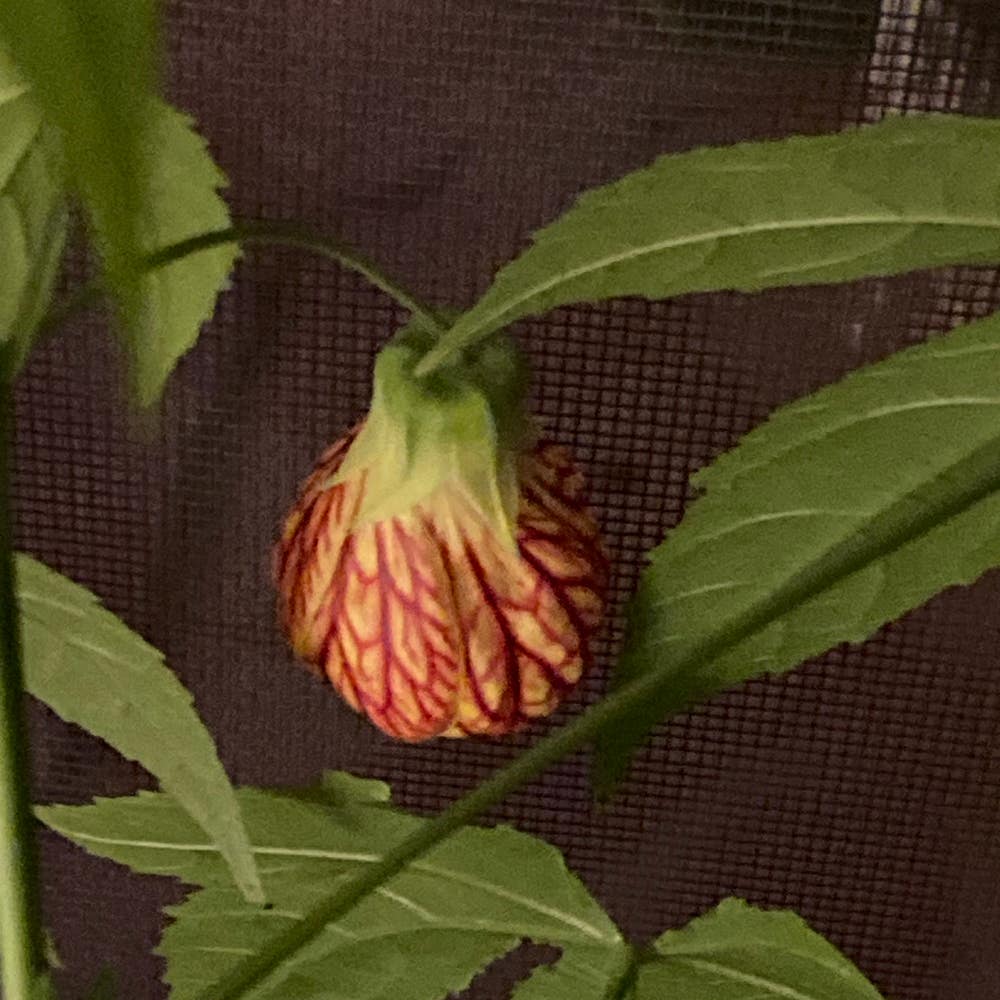
Indian Mallow boasts a vibrant palette of flower colors, including striking yellows, oranges, and reds. These hues can vary significantly among different varieties, making each plant unique.
The flowers themselves are bell-shaped, featuring five distinct petals that often showcase a prominent center. This structure not only adds to the plant's visual appeal but also plays a role in its reproductive strategies.
Self-Pollination vs. External Pollination 🐝
One fascinating aspect of Indian Mallow is its ability to self-pollinate. This means the plant can reproduce independently, without relying on external pollinators like bees or butterflies.
Self-pollination has significant implications for plant reproduction and genetic diversity. While it ensures that the plant can thrive in various environments, it may limit genetic variation, which can affect resilience and adaptability over time.
With these captivating flower characteristics in mind, let's explore the blooming process of Indian Mallow and how to encourage those beautiful blooms.
Blooming Process
🌱 Blooming Stages
The blooming process of Indian Mallow unfolds in three distinct stages: bud formation, opening of flowers, and reaching full bloom. Each stage is crucial for the plant's reproductive cycle and visual appeal.
During bud formation, small green buds appear, signaling the start of the blooming journey. This stage typically lasts about a week, setting the stage for the vibrant display to come.
⏳ Typical Bloom Time and Duration from Bud to Full Bloom
Indian Mallow usually begins to bloom in late spring to early summer, depending on environmental conditions. The average bloom time is influenced by factors like temperature and sunlight, often triggering blooms from May to July.
From bud formation to full bloom, the process generally takes about 2 to 4 weeks. This gradual unfolding allows gardeners to anticipate the colorful display that will soon brighten their gardens.
🌼 Lifespan of Flowers
Once fully open, Indian Mallow flowers typically last between 1 to 2 weeks. This lifespan can vary based on environmental factors such as temperature and humidity levels.
Higher temperatures and lower humidity can shorten the lifespan of the blooms, while cooler, more humid conditions may help them last longer. Understanding these factors can help you enjoy the beauty of your Indian Mallow for as long as possible.
As you nurture your Indian Mallow through its blooming process, consider how to encourage even more blooms. The next section will cover tips for promoting a flourishing display in your garden.
Encouraging Blooms
Tips for Encouraging Indian Mallow to Bloom 🌼
To help your Indian Mallow thrive, start with optimal light conditions. Ensure it receives full sun exposure for at least six hours daily.
Next, focus on your watering practices. Maintain consistent moisture in the soil, but avoid waterlogging, as this can harm the roots.
Fertilization is also key during the growing season. Use balanced fertilizers to provide essential nutrients that promote healthy blooms.
Factors Influencing Flowering 🌸
Several environmental conditions can influence flowering. Temperature, humidity, and soil quality all play significant roles in the plant's blooming success.
Pruning techniques can also make a difference. Properly pruning your Indian Mallow encourages more blooms by promoting healthy growth and allowing better air circulation.
With these tips and considerations, you can create an ideal environment for your Indian Mallow to flourish. As you nurture your plant, you'll witness the beauty of its blooms unfold, leading to a vibrant garden display.
Next, let's explore what happens after the flowering period and how to care for your Indian Mallow post-bloom.
Post-Flowering Care
What Happens After the Flowering Period 🌼
After the vibrant blooms of Indian Mallow fade, the plant enters a new phase. You may notice that it retains its leaves, which is crucial for photosynthesis and overall health.
During this time, the plant might experience a period of dormancy, especially in cooler months. Continued care is essential to ensure it remains healthy and ready for the next blooming cycle.
Clarification on Whether Indian Mallow Dies After Flowering 🌱
Rest assured, Indian Mallow does not die after flowering. It has the resilience to continue growing and producing lush foliage.
Seasonal cycles can influence its health, so be mindful of changes in temperature and light. With proper care, your Indian Mallow will thrive year-round, ready to surprise you with its blooms again.
Unique Aspects
🌼 Unusual Characteristics Related to Flowering
Indian Mallow is a resilient plant that can bloom under a variety of conditions. This adaptability makes it a favorite among gardeners, as it can thrive in less-than-ideal environments while still producing vibrant flowers.
Even when flowering is limited, the foliage of Indian Mallow remains an attractive feature. Its lush green leaves provide a beautiful backdrop, ensuring that your garden stays visually appealing year-round.
🤔 Trivia About Indian Mallow's Reproductive Strategy
One fascinating aspect of Indian Mallow is its self-pollination capability. This means it can reproduce without relying on external pollinators, making it a reliable choice for gardeners looking for low-maintenance plants.
Additionally, Indian Mallow has cultural significance in various regions. It's often used in landscaping for its ornamental value, and its hardiness makes it a popular choice for sustainable gardening practices.
As you explore the unique traits of Indian Mallow, you'll find that its charm extends beyond just its flowers, making it a worthwhile addition to any garden.
⚠️ Safety First
This content is for general information and may contain errors, omissions, or outdated details. It is not medical, veterinary advice, or an endorsement of therapeutic claims.
Always consult a qualified healthcare professional before using any plant as food, medicine, or supplement.
Never eat any plant (or feed one to pets) without confirming its identity with at least two trusted sources.
If you suspect poisoning, call Poison Control (800) 222-1222, the Pet Poison Helpline (800) 213-6680, or your local emergency service immediately.
Spotted an error? Please report it here.
Get your Indian Mallow to bloom brilliantly 🌼 by using Greg's personalized care tips and watering reminders to keep it thriving in the perfect conditions!