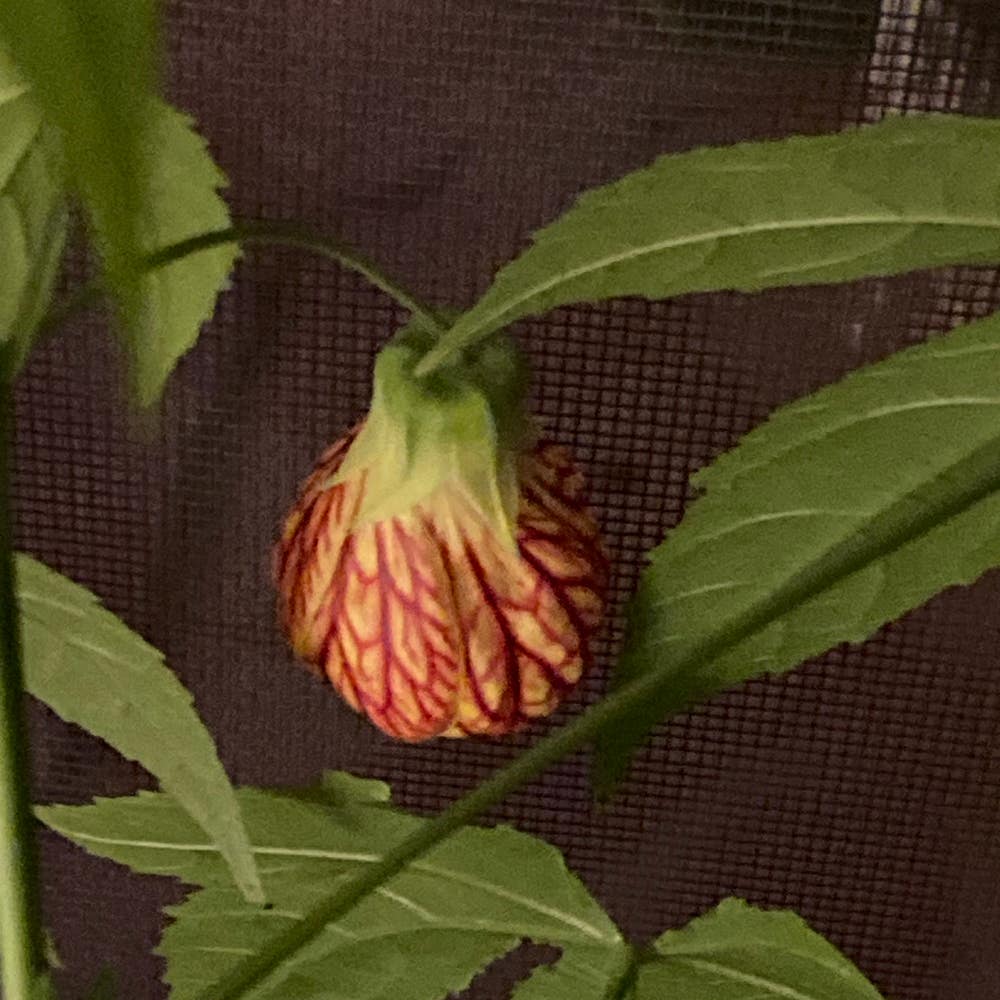
3 Outdoor Care Tips for Indian Mallow ☀️
Abutilon malacum
By the Greg Editorial Team
Nov 22, 2024•7 min read
This article was created with the help of AI so we can cover more plants for you. May contain errors. See one? Report it here.
Unlock a vibrant garden with thriving Indian Mallow by mastering its care essentials! 🌱
- ☀️ Indian Mallow needs 6-8 hours of sunlight for optimal growth; adjust based on climate.
- 💧 Water weekly during growing season; check soil moisture to avoid overwatering.
- 🌱 Fertilize every 4-6 weeks with balanced nutrients to prevent deficiencies and promote blooms.
Sunlight Requirements
Ideal Sunlight Exposure 🌞
Indian Mallow thrives best in full sun to partial shade, requiring 6-8 hours of sunlight daily for optimal growth. Without sufficient sunlight, you may notice stunted growth, fewer blooms, and a leggy appearance that detracts from its natural beauty.
Adjusting for Climate Zones 🌤️
In tropical regions, full sun is the way to go, allowing Indian Mallow to flourish. However, in temperate areas, providing afternoon shade can help prevent leaf scorch, ensuring your plants remain healthy and vibrant.
Understanding these sunlight requirements is crucial for nurturing your Indian Mallow. With the right exposure, you'll enjoy a flourishing garden that showcases the plant's stunning blooms and lush foliage.
Watering Needs and Frequency
💧 General Watering Guidelines
Watering your Indian Mallow is crucial for its health and vibrancy. During the growing season, aim to water it once a week, but increase the frequency during extreme heat to keep it thriving.
Check the soil moisture regularly. Before watering, ensure the top inch of soil is dry; this helps prevent overwatering and keeps your plant happy.
🚰 Signs of Overwatering and Underwatering
Recognizing the signs of overwatering is essential. If you notice yellowing leaves or root rot, it’s a clear indication that your plant is getting too much water.
On the flip side, underwatering can lead to wilting leaves and dry soil. Keep an eye on your plant's appearance to maintain its health and beauty.
Understanding these watering needs will set you on the right path to nurturing your Indian Mallow. Next, let’s dive into the soil preferences that will help your plant flourish.
Soil Preferences and Amendments
🌱 Ideal Soil Composition
For Indian Mallow to thrive, it requires well-draining soil. Opt for loamy or sandy soil that allows excess water to escape, preventing root rot.
The ideal soil pH for this plant ranges from slightly acidic to neutral, specifically between 6.0 and 7.0. This pH range ensures that nutrients are readily available for optimal growth.
🧑🌾 Soil Amendments
Incorporating organic matter into your soil is essential. Adding compost not only boosts soil fertility but also enhances drainage, creating a perfect environment for Indian Mallow.
Mulching is another effective strategy to consider. Using organic mulch helps retain moisture and regulates soil temperature, providing a stable environment for your plants throughout the growing season.
By focusing on the right soil composition and amendments, you set the stage for healthy, vibrant Indian Mallow. This foundational care will support the plant's growth and resilience, making it better equipped to handle various environmental challenges.
Next, let’s explore the fertilization schedule to further enhance your plant's health and productivity.
Fertilization Schedule
🌱 Recommended Fertilization Practices
To keep your Indian Mallow thriving, fertilize every 4-6 weeks during the growing season. Opt for a balanced NPK fertilizer, like a 10-10-10 mix, or go organic with options such as fish emulsion for a nutrient boost.
⚠️ Signs of Nutrient Deficiency
Watch for yellowing leaves, which often signal a nitrogen deficiency. If your plant struggles to produce blooms, it might be lacking phosphorus, indicating a need for more nutrients.
Understanding these fertilization practices and deficiency signs will help you maintain a healthy, vibrant Indian Mallow. Next, let’s explore how to protect your plants from extreme weather conditions.
Weather Protection
🌞 Strategies for Protecting from Extreme Heat
To keep your Indian Mallow thriving in extreme heat, providing afternoon shade is crucial. You can achieve this by using shade cloth or positioning your plants near taller companions that can shield them from harsh sunlight.
Regular watering is another key strategy during heat waves. Increase the frequency of watering to ensure your plants remain hydrated and stress-free.
❄️ Strategies for Protecting from Frost
When unexpected cold snaps occur, covering your plants with frost cloth can make a significant difference. This simple step helps insulate them against freezing temperatures.
If your Indian Mallow is in a container, moving it indoors during frost warnings is a smart move. This protects the roots and ensures your plant stays healthy through chilly nights.
🌱 Importance of Mulching for Temperature Regulation
Mulching plays a vital role in temperature regulation for your plants. It helps retain soil moisture and mitigates temperature fluctuations, creating a more stable environment for growth.
For the best results, use organic materials like straw, bark, or wood chips as mulch. These not only improve soil health but also provide a natural barrier against extreme temperatures.
With these weather protection strategies, your Indian Mallow will be better equipped to handle the elements. Next, let’s explore pest and disease management to keep your plants healthy and vibrant.
Pest and Disease Management
Common Outdoor Pests 🐜
When caring for Indian Mallow, be on the lookout for common pests like aphids and spider mites. Aphids often leave curled leaves and a sticky residue, while spider mites can be identified by fine webbing and stippled leaves.
Signs of Disease ⚠️
Fungal infections can wreak havoc on your plants, with yellowing leaves and wilting being telltale signs of root rot or powdery mildew. Additionally, dark spots on leaves may indicate bacterial blight, which requires immediate attention.
Organic Pest Control Methods 🌱
To combat these pests, consider using neem oil, which is effective against both aphids and spider mites. Insecticidal soap is another safe option that works well on various pests without harming your plants.
Preventative Measures for Disease 🛡️
Preventing disease is just as important as managing pests. Ensure proper spacing between plants to promote good air circulation, and conduct regular inspections to catch any signs of pests or diseases early on.
By staying vigilant and proactive, you can keep your Indian Mallow healthy and thriving. Next, let’s explore seasonal care tips to ensure your plants flourish throughout the year.
Seasonal Care
Spring Care Tips 🌱
Spring is the perfect time to rejuvenate your Indian Mallow. Start by pruning any dead or damaged growth to promote fresh, vibrant shoots.
As new growth emerges, it's time to fertilize. This will provide the essential nutrients your plant needs to thrive during the growing season.
Summer Care Considerations ☀️
Summer brings heat, so increased watering is crucial. Keep a close eye on soil moisture, ensuring it remains consistent to support healthy growth.
Pest management becomes a priority during these warmer months. Stay vigilant for common pests that may invade your garden, and act quickly to protect your plants.
Fall Preparation for Winter 🍂
As temperatures begin to drop, gradually reduce your watering schedule. This helps your Indian Mallow acclimate to the changing conditions.
Mulching is essential in the fall. Apply a thicker layer of mulch around the base of your plants to shield their roots from frost and temperature fluctuations.
Winter Care Strategies ❄️
In tropical climates, your Indian Mallow will require minimal care during winter. Just continue with regular watering to keep it healthy.
For those in temperate regions, frost protection is key. Shield your plants from cold winds and frost to ensure they survive the winter months.
With these seasonal care tips, your Indian Mallow will flourish throughout the year. Next, let’s explore special considerations for adapting care based on climate zones and urban gardening strategies.
Special Considerations
🌍 Adapting Care for Different Climate Zones
Caring for Indian Mallow varies significantly between climate zones.
In tropical regions, prioritize consistent moisture and ensure your plants receive full sun exposure for optimal growth.
Conversely, in temperate regions, adjust your watering schedule and provide frost protection to help your plants thrive through seasonal changes.
🏙️ Tips for Urban Gardening
Urban gardening can be a rewarding challenge, especially when space is limited.
Consider container gardening, which allows you to use decorative pots that fit your style while providing mobility for your plants.
Vertical gardening is another fantastic option. Utilize trellises to maximize your space and ensure your plants receive ample sunlight.
🌱 Companion Planting Ideas
Companion planting can enhance the health of your Indian Mallow.
Consider planting alongside marigolds and nasturtiums, which can help deter pests naturally.
However, be cautious about what you plant nearby. Avoid placing Indian Mallow next to other plants that are susceptible to similar pests and diseases to ensure a thriving garden.
With these special considerations, you can create a flourishing environment for your Indian Mallow, regardless of your gardening conditions. Next, let’s explore seasonal care tips to keep your plants healthy throughout the year.
⚠️ Safety First
This content is for general information and may contain errors, omissions, or outdated details. It is not medical, veterinary advice, or an endorsement of therapeutic claims.
Always consult a qualified healthcare professional before using any plant as food, medicine, or supplement.
Never eat any plant (or feed one to pets) without confirming its identity with at least two trusted sources.
If you suspect poisoning, call Poison Control (800) 222-1222, the Pet Poison Helpline (800) 213-6680, or your local emergency service immediately.
Spotted an error? Please report it here.
Nurture your Indian Mallow to bloom beautifully 🌼 with Greg's tailored watering alerts and expert tips that ensure your plant thrives in any climate!