📏 5 Facts About Indian Mallow Height and Width
Abutilon malacum
By the Greg Editorial Team
Nov 22, 2024•5 min read
This article was created with the help of AI so we can cover more plants for you. May contain errors. See one? Report it here.
Elevate your garden's appeal with Indian Mallow's impressive size and vibrant blooms! 🌿
- 🌱 Indian Mallow grows 3-6 feet tall and 2-4 feet wide, depending on care.
- 🌼 Fast growth allows it to reach full size in just one growing season.
- ✂️ Pruning promotes bushier growth and improves air circulation for healthier plants.
Mature Height and Width
Typical Mature Dimensions 🌱
Indian Mallow typically reaches an average height of 3 to 6 feet and spans 2 to 4 feet in width. These dimensions can vary based on several factors, including growing conditions, care practices, and the specific variety selected.
Growth Habits 🌿
This plant exhibits a bushy and upright growth form, making it an attractive addition to any garden. Its broad, heart-shaped leaves not only enhance its overall size but also contribute to its lush appearance.
Flowering Impact 🌸
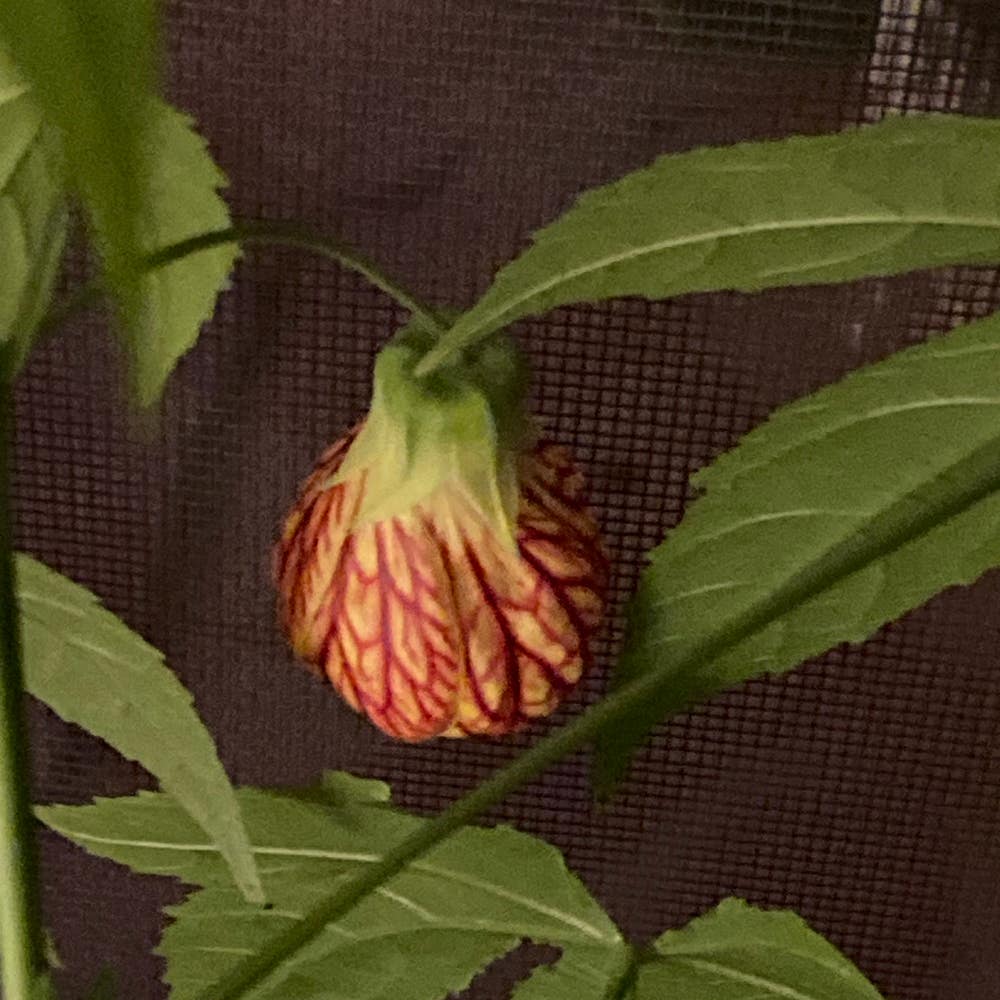
The vibrant blooms of Indian Mallow can significantly add to the perceived size of the plant. When in full flower, the visual impact can make the plant appear even larger and more impressive in your landscape.
Understanding these dimensions and growth habits is essential for planning your garden layout effectively. Next, we will explore the growth rate and time it takes for Indian Mallow to reach its full size.
Growth Rate and Time to Maturity
🚀 Fast Growth Rate
Indian Mallow is celebrated for its impressive growth speed, often achieving its full size within just one growing season. When provided with optimal conditions, such as rich soil and ample sunlight, this plant can flourish even more rapidly.
⏳ Time to Reach Full Size
Typically, Indian Mallow reaches maturity in about 3 to 6 months. However, several factors can influence this timeline, including soil quality, watering frequency, and the amount of sunlight the plant receives.
Understanding these elements can help you cultivate a thriving Indian Mallow that meets your gardening goals. As you prepare for the next section, consider how environmental conditions can further impact the size and health of your plants.
Size Variability Based on Conditions
🌍 Environmental Impact on Size
The size of Indian Mallow can vary significantly based on environmental factors. Understanding these influences can help you cultivate a thriving plant.
Soil Quality and Composition
Nutrient-rich, well-draining soil is essential for promoting larger growth. If the soil is poor or compacted, it can stunt the plant's development and reduce its overall size.
Sunlight Requirements
Indian Mallow thrives in full sun, requiring 6 to 8 hours of direct sunlight daily. In contrast, partial shade may lead to smaller dimensions and less vigorous growth.
Watering Practices
Consistent moisture is key to supporting healthy growth. However, be cautious—over or under-watering can lead to significant size variability, affecting the plant's overall health and appearance.
By paying attention to these environmental factors, you can optimize the growth of your Indian Mallow, ensuring it reaches its full potential. Next, let's explore the fascinating differences between dwarf and giant varieties of this versatile plant.
Dwarf and Giant Varieties
Dwarf Variety 🌱
Dwarf Indian Mallow typically remains under 3 feet in height, making it a perfect choice for smaller gardens or container planting. Its compact and bushy growth habits allow it to thrive in limited spaces, providing vibrant foliage and blooms without overwhelming your landscape.
Giant Variety 🌳
On the other hand, the giant Indian Mallow can exceed 6 feet in height, creating a stunning focal point in larger landscapes. Its tall and upright growth requires ample space, making it an excellent option for those looking to make a bold statement in their garden.
The choice between dwarf and giant varieties ultimately depends on your gardening space and aesthetic goals. Whether you opt for the compact charm of the dwarf or the impressive stature of the giant, both varieties offer unique benefits that can enhance your outdoor environment.
As you consider these options, think about how each variety can complement your existing plants and overall garden design. This thoughtful approach will ensure your Indian Mallow thrives beautifully in its designated spot.
Pruning Techniques for Size Control
🌱 Importance of Pruning
Pruning is essential for managing the size of Indian Mallow. It promotes bushier growth and prevents the plant from becoming excessively tall.
Timing is crucial; the best period for pruning is early spring, just before new growth begins. This ensures that your plant can thrive and flourish throughout the growing season.
✂️ Pruning Methods
Selective Pruning: This method involves removing leggy or overgrown stems. It encourages denser foliage and a more compact appearance. (Difficulty: Moderate)
Pinching Back: Regularly pinching back the tips of stems promotes branching. This simple technique helps maintain a fuller look. (Difficulty: Easy)
Hard Pruning: For rejuvenation, cut back the plant to 12-18 inches in late winter. This method is more drastic but can reinvigorate your Indian Mallow. (Difficulty: Hard)
🌼 Benefits of Pruning
Pruning offers several benefits that enhance the overall health of your Indian Mallow. It improves air circulation and light penetration, which are vital for robust growth.
Additionally, regular pruning leads to better aesthetics and control over the plant's mature size and shape. With the right techniques, your garden can flourish beautifully.
As you consider these pruning techniques, remember that they not only shape your plant but also contribute to its vitality. Next, let’s explore how environmental factors can influence the size of your Indian Mallow.
⚠️ Safety First
This content is for general information and may contain errors, omissions, or outdated details. It is not medical, veterinary advice, or an endorsement of therapeutic claims.
Always consult a qualified healthcare professional before using any plant as food, medicine, or supplement.
Never eat any plant (or feed one to pets) without confirming its identity with at least two trusted sources.
If you suspect poisoning, call Poison Control (800) 222-1222, the Pet Poison Helpline (800) 213-6680, or your local emergency service immediately.
Spotted an error? Please report it here.
Maximize your Indian Mallow's blooming potential 🌼 with Greg's tailored watering schedules and pruning alerts to keep your garden lush and vibrant!