🐛 What's Eating Your Sunrise Variegated Anacampseros
Anacampseros telephiastrum 'Sunrise Variegata'
By the Greg Editorial Team
Sep 29, 2024•6 min read
This article was created with the help of AI so we can cover more plants for you. May contain errors. See one? Report it here.
- 🌼 Sunrise Variegated Anacampseros attracts pollinators with its striking leaves and flowers.
- 🦌🐇 Herbivores like deer and rabbits threaten plant health; monitor for signs of damage.
- 🚫 Effective deterrents include repellents, fencing, and companion planting to protect your plants.
Most Appealing Parts to Animals
Description of Appearance and Characteristics 🌼
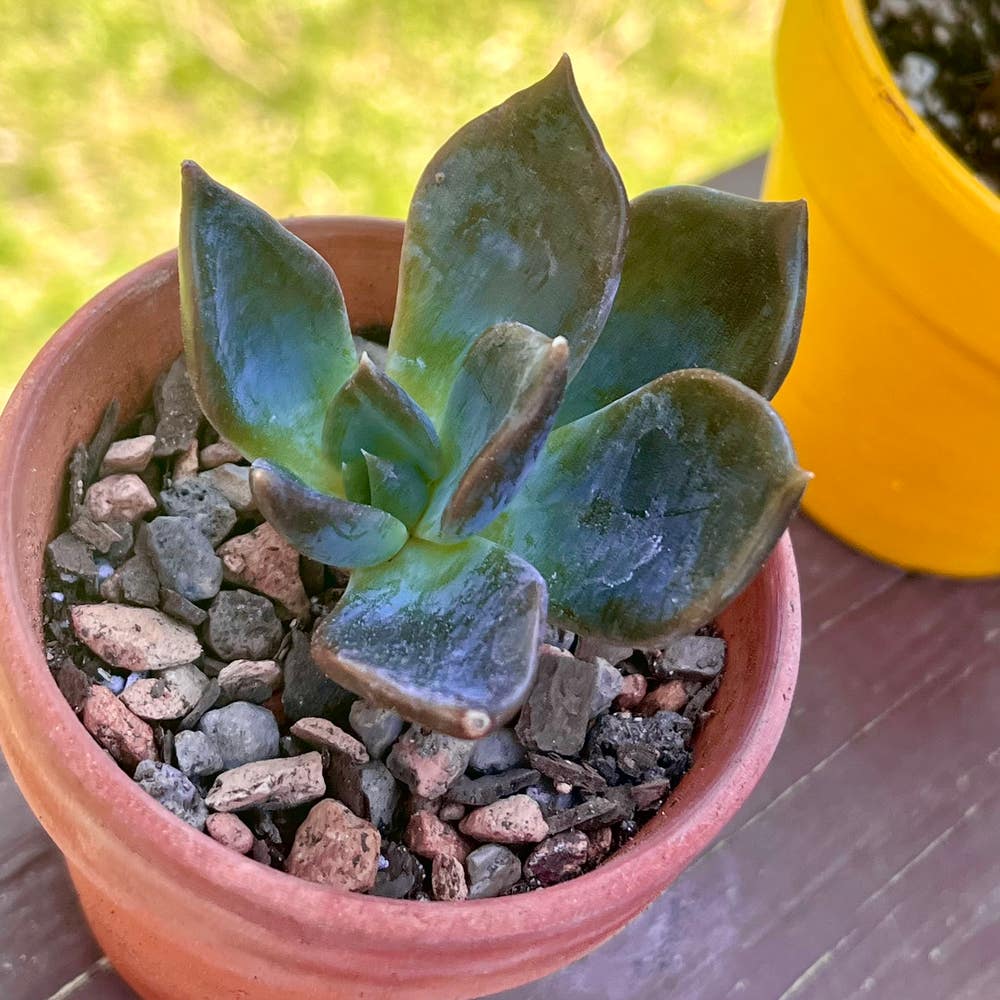
The Sunrise Variegated Anacampseros is a visual delight, boasting striking variegated leaves that are thick and fleshy. The vibrant green and cream variegation creates a stunning contrast that catches the eye.
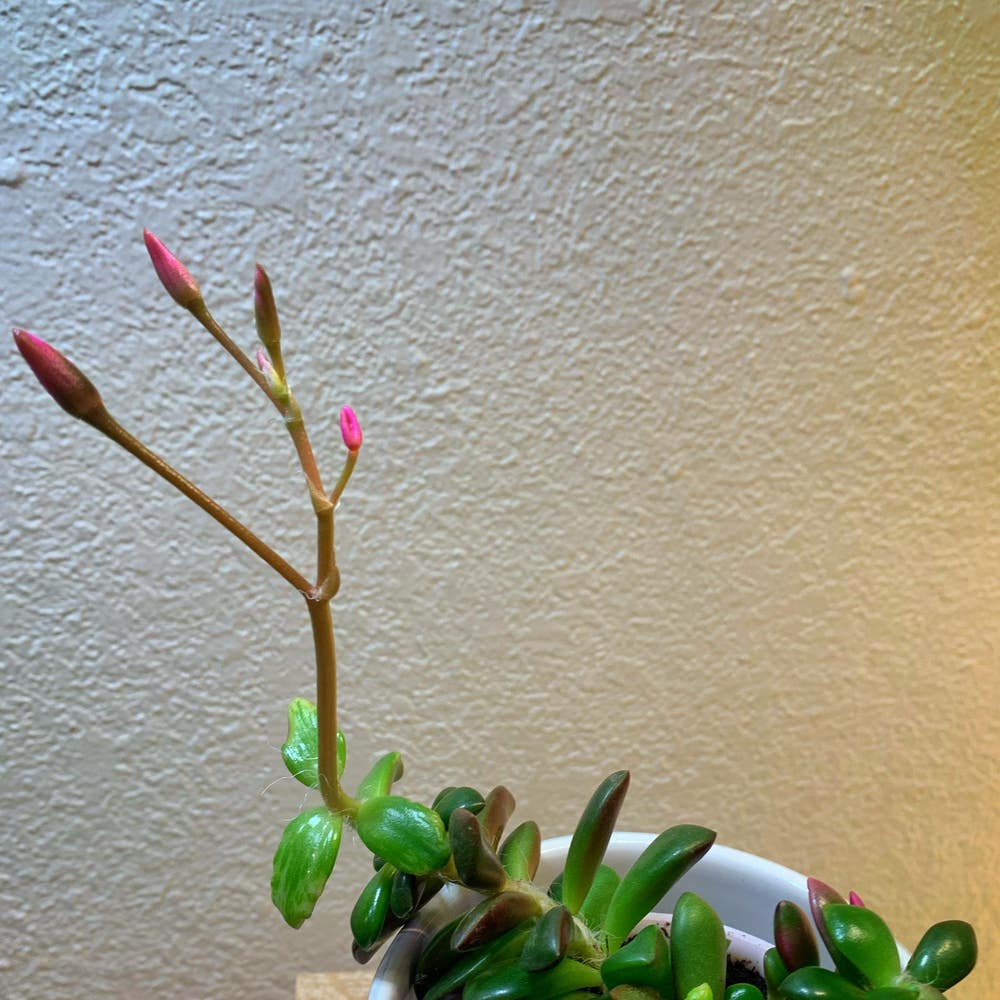
In addition to its foliage, this plant produces small, star-shaped flowers that are not only beautiful but also attract pollinators. These flowers play a crucial role in the garden ecosystem, drawing in bees and butterflies eager for nectar.
The combination of its appealing appearance and floral offerings makes the Sunrise Variegated Anacampseros a target for various herbivores. Understanding what attracts these animals can help you protect your plant while enjoying its beauty.
As we delve into the common herbivores that affect this plant, keep in mind the delicate balance between aesthetics and the challenges of maintaining a thriving garden.
Common Herbivores Affecting Sunrise Variegated Anacampseros
🦌 Deer
Signs of Presence and Damage Caused
Look for hoof prints in the soil, a telltale sign of deer activity. They often browse on leaves, leaving jagged edges and stunted growth in their wake.
Beneficial vs. Harmful Interactions
Deer interactions are generally harmful. If not managed, they can decimate your Sunrise Variegated Anacampseros population.
Deterrent Methods
To keep deer at bay, consider using commercial deer repellents. Alternatively, plant deer-resistant companion plants or scatter human hair and soap shavings around your garden.
🐇 Rabbits
Signs of Presence and Damage Caused
Rabbits leave small, round droppings near your plants. They chew on young shoots and leaves, creating clean cuts that can hinder growth.
Beneficial vs. Harmful Interactions
Rabbits are generally harmful to your plants. Their feeding habits can significantly reduce plant vigor.
Deterrent Methods
Bitter-tasting sprays can deter rabbits effectively. You might also want to install fencing at least 2 feet high and plant rabbit-resistant plants nearby.
🐿️ Squirrels
Signs of Presence and Damage Caused
Look for scratching on the soil and chewed leaves as signs of squirrel activity. They dig around the base of the plant and nibble on leaves, disrupting growth.
Beneficial vs. Harmful Interactions
Squirrels are generally harmful. Their activities can negatively impact the health of your Sunrise Variegated Anacampseros.
Deterrent Methods
Capsaicin-based sprays work well as chemical deterrents. For organic solutions, consider installing motion-activated sprinklers or using reflective materials to scare them off.
🐦 Birds
Signs of Presence and Damage Caused
Feathers and droppings around your plants indicate bird activity. They tend to peck at flowers and young shoots, causing noticeable damage.
Beneficial vs. Harmful Interactions
Birds present a mixed bag. While they can damage flowers, they also play a crucial role in pollination.
Deterrent Methods
Non-toxic bird repellents can help keep them away. Hanging reflective tape or using decoys can also deter birds effectively.
🐭 Rodents (Mice, Voles, etc.)
Signs of Presence and Damage Caused
Look for small burrows or trails in the soil as signs of rodent activity. They gnaw on roots and stems, leading to plant decline.
Beneficial vs. Harmful Interactions
Rodents are generally harmful. Their feeding can cause significant damage to your plants.
Deterrent Methods
Consider using rodent bait stations as a chemical deterrent. For organic methods, trapping and using natural repellents like peppermint oil can be effective.
🦡 Groundhogs/Woodchucks
Signs of Presence and Damage Caused
Groundhogs leave large paw prints and burrows near your plants. They can cause extensive damage by chewing on stems and leaves, potentially leading to plant death.
Beneficial vs. Harmful Interactions
These creatures are generally harmful. They can completely destroy your plants in a short time if left unchecked.
Deterrent Methods
Commercial repellents specifically designed for groundhogs can be effective. Additionally, fencing at least 3 feet high and using strong-smelling plants as barriers can help protect your garden.
As you navigate the challenges posed by these herbivores, remember that understanding their behaviors is key to effective management. Next, we’ll explore the beneficial animals that can enhance your garden ecosystem.
Beneficial Animals and Their Role
🐝 Description of Beneficial Animals
In the garden, beneficial animals play a crucial role. Pollinators like bees and butterflies are drawn to the vibrant flowers of the Sunrise Variegated Anacampseros, ensuring that these plants thrive.
Predatory insects, such as ladybugs and lacewings, also contribute significantly. They help control pest populations, keeping harmful insects at bay.
🌱 Positive Impacts on the Garden Ecosystem
The benefits of these animals extend beyond mere aesthetics. Pollination enhances fruit and flower production, leading to a more vibrant garden.
Additionally, the presence of predatory insects provides natural pest control. This creates a balanced ecosystem, allowing your plants to flourish without excessive chemical interventions.
By fostering a habitat for these beneficial creatures, you not only protect your Sunrise Variegated Anacampseros but also promote a healthier garden environment.
As we explore further, understanding how to protect your plants from herbivores will be essential.
General Strategies for Protection
🛡️ Preventive Measures
To safeguard your Sunrise Variegated Anacampseros, consider strategic plant placement. Positioning these beauties in less accessible areas can deter curious herbivores.
Companion planting is another effective tactic. Surrounding your anacampseros with plants that naturally repel herbivores can create a protective barrier.
⚠️ Reactive Solutions
Regular monitoring is crucial for early detection of damage. Keep an eye out for any signs of nibbling or wilting leaves.
When you spot potential threats, act immediately. Implementing deterrents right away can help preserve your plants' health.
🌱 Seasonal Variations in Animal Attraction
Understanding seasonal patterns can enhance your protection strategy. In spring, expect increased activity from rabbits and deer as they seek fresh growth.
Summer brings birds that are drawn to the vibrant flowers and fruits. Be prepared to protect your plants during this busy season.
As fall approaches, groundhogs may become more aggressive in their feeding habits. They’re preparing for winter, so vigilance is key during this time.
By employing these strategies, you can create a thriving environment for your Sunrise Variegated Anacampseros while minimizing the impact of herbivores. Next, let’s explore the toxicity of these plants and their ecological roles.
Toxicity and Ecological Role
💊 Discussion of Toxic Effects
The Sunrise Variegated Anacampseros exhibits mild toxicity, which can deter some herbivores. However, this trait may also attract those less sensitive to its effects, creating a complex interaction with local wildlife.
Symptoms in animals that consume it in large quantities can include gastrointestinal upset. This highlights the importance of moderation in their diet, as even mild toxins can lead to discomfort.
🌱 Acknowledgment of Herbivores' Ecological Roles
Herbivores play a vital role in the ecosystem, contributing to soil aeration and nutrient cycling. Their activities help maintain a balanced environment, ensuring that plant communities thrive.
Recognizing both beneficial and harmful interactions is essential for a healthy garden. Understanding these dynamics can lead to more effective management strategies, fostering a thriving ecosystem around your Sunrise Variegated Anacampseros.
As we explore further, let’s delve into general strategies for protecting your plants from herbivores while promoting beneficial interactions.
⚠️ Safety First
This content is for general information and may contain errors, omissions, or outdated details. It is not medical, veterinary advice, or an endorsement of therapeutic claims.
Always consult a qualified healthcare professional before using any plant as food, medicine, or supplement.
Never eat any plant (or feed one to pets) without confirming its identity with at least two trusted sources.
If you suspect poisoning, call Poison Control (800) 222-1222, the Pet Poison Helpline (800) 213-6680, or your local emergency service immediately.
Spotted an error? Please report it here.
Safeguard your Sunrise Variegated Anacampseros from herbivores with Greg's personalized care tips 🌿, ensuring your plant flourishes beautifully while you enjoy a thriving garden!