🐝 3 Easy Ways to Pollinate Sunrise Variegated Anacampseros
Anacampseros telephiastrum 'Sunrise Variegata'
By the Greg Editorial Team
Sep 29, 2024•6 min read
This article was created with the help of AI so we can cover more plants for you. May contain errors. See one? Report it here.
- 🌼 Sunrise Variegated Anacampseros attracts bees and butterflies with vibrant, star-shaped flowers.
- 🤝 Self-pollination ensures reproduction, but cross-pollination boosts genetic diversity and resilience.
- 🌱 Hand pollination enhances success when natural methods fall short; learn the technique!
Flower Structure
Description of Characteristics 🌸
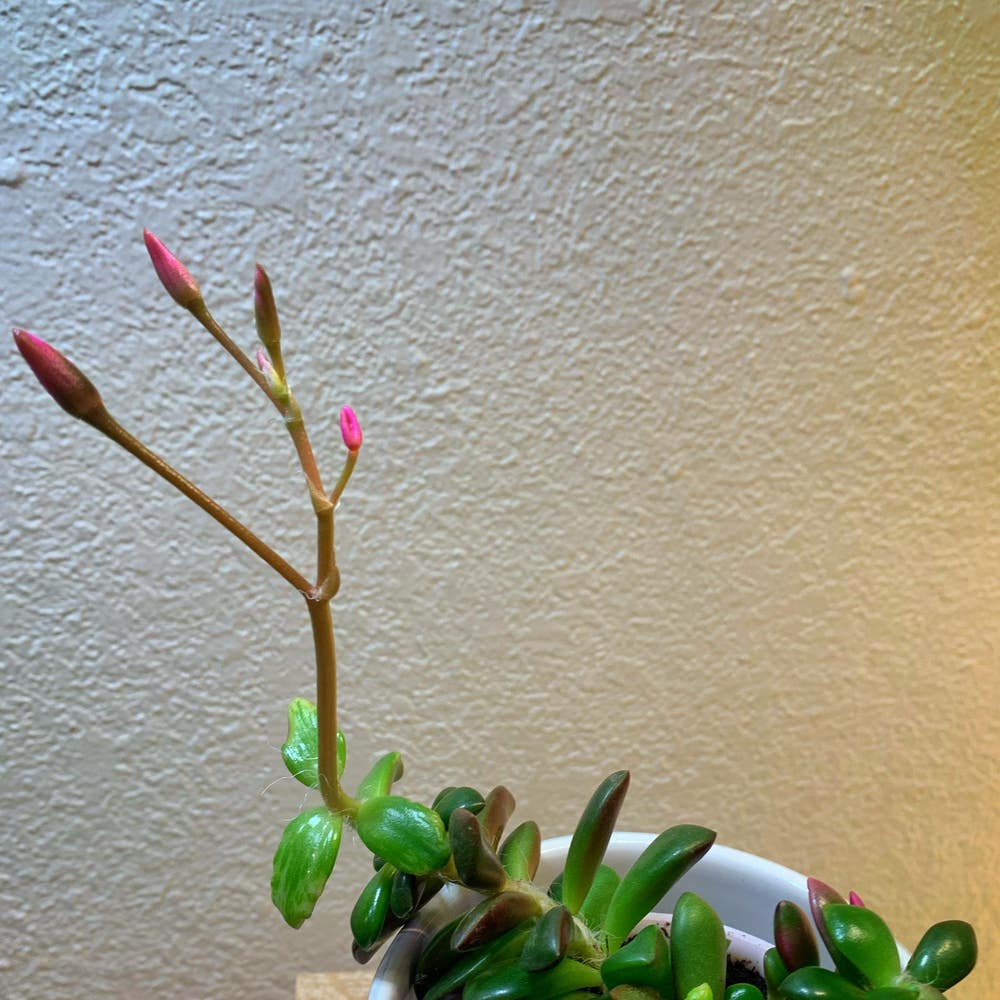
The Sunrise Variegated Anacampseros boasts small, star-shaped flowers that are a delight to behold. Their colors vary widely, often showcasing beautiful shades of pink, white, or yellow, making them a vibrant addition to any garden.
These flowers typically grow in clusters on slender stems, creating a stunning visual display. This arrangement not only enhances their beauty but also plays a crucial role in attracting pollinators.
Role in Pollination 🐝
Self-pollination is a fascinating feature of these flowers. They have mechanisms that allow pollen transfer within the same flower, ensuring reproduction even when pollinators are scarce.
On the flip side, cross-pollination is equally important. The unique characteristics of the Sunrise Variegated Anacampseros attract various pollinator species, enhancing genetic diversity and resilience in the plant population.
Understanding these aspects of flower structure is essential for anyone looking to cultivate or appreciate these remarkable plants. With their vibrant blooms and efficient pollination strategies, they truly stand out in the botanical world.
As we delve deeper into the pollination process, we’ll explore how these flowers interact with their environment and the creatures that help them thrive.
Pollination Process
Self-Pollination Mechanism 🌼
The Sunrise Variegated Anacampseros has a fascinating self-pollination mechanism. Pollen from the anthers can fertilize the ovules within the same flower, ensuring reproduction even when pollinators are absent.
This ability is crucial for survival, especially in environments where pollinators may be scarce. It guarantees that the plant can continue its lineage without relying solely on external factors.
Identification of Pollinator Species 🐝
Understanding which pollinators are attracted to these flowers can enhance your gardening efforts.
- Bees are often drawn in by the vibrant colors and sweet nectar.
- Butterflies find the flower's shape and fragrance irresistible.
- Moths, active during twilight, are lured in by the plant's scent.
Recognizing these species can help you create a more inviting environment for them.
Attraction Strategies 🎯
To attract these pollinators, the Sunrise Variegated Anacampseros employs several effective strategies.
- Nectar production plays a vital role, as sweet nectar serves as a reward for visiting pollinators.
- Color and scent are equally important; bright colors and fragrant blooms signal to pollinators that the flowers are ready for business.
These strategies not only enhance pollination but also create a lively garden atmosphere.
With a solid understanding of the pollination process, you're well-equipped to support the growth and reproduction of your Sunrise Variegated Anacampseros. Next, let’s explore natural pollination and its significance in enhancing genetic diversity.
Natural Pollination
🌬️ Pollen Transfer Mechanisms
Natural pollination primarily occurs through two mechanisms: wind and insect-mediated transfer. Wind can carry pollen from one flower to another, but insects play a crucial role, often being more effective due to their targeted foraging behavior.
Insects, like bees and butterflies, are drawn to the vibrant colors and enticing scents of flowers. As they move from bloom to bloom, they inadvertently transfer pollen, facilitating fertilization.
🌍 Role of Environmental Factors
Environmental factors significantly influence pollination success. Temperature and humidity can either enhance or hinder pollinator activity.
For instance, warm, sunny days often see increased insect activity, while extreme heat or heavy rain can deter them. Understanding these dynamics can help gardeners optimize conditions for effective pollination.
🌱 Importance for Reproduction
Successful fertilization is vital for seed production in Sunrise Variegated Anacampseros. When pollen successfully fertilizes ovules, seeds develop, ensuring the plant's continuation.
Moreover, cross-pollination boosts genetic diversity. This diversity enhances resilience and adaptability, allowing plants to thrive in varying conditions.
As we explore ways to support pollinators, it’s essential to recognize their role in this intricate process. By fostering a pollinator-friendly environment, we can contribute to the health of our gardens and ecosystems.
Hand Pollination
Hand pollination can be a rewarding way to ensure your Sunrise Variegated Anacampseros thrives. Here’s a straightforward guide to help you through the process.
Step 1: Identify Male and Female Flower Parts 🌸
First, locate the male and female parts of the flower. The male components are the anthers, which contain the pollen, while the female part is the stigma, where pollen is received.
Step 2: Collecting Pollen 🧹
Next, gather pollen from the anthers. A small brush or cotton swab works wonders for this task, allowing you to collect the pollen without damaging the flower.
Step 3: Transferring Pollen 🔄
Now it’s time to transfer the pollen. Gently apply the collected pollen to the stigma of the same flower or another flower to facilitate fertilization.
Step 4: Timing ⏰
Timing is crucial for successful hand pollination. Aim to perform this task during peak flowering periods when the flowers are most receptive.
Hand pollination not only boosts your plant's chances of reproduction but also deepens your connection to the gardening process. With these steps, you can actively participate in the life cycle of your plants, ensuring they flourish beautifully.
Next, let’s explore how to create a pollinator-friendly environment to support these efforts.
Supporting Pollinators
🌼 Creating a Pollinator-Friendly Environment
To support pollinators, start by incorporating a variety of flowering plants in your garden. This diversity attracts different species, ensuring a vibrant ecosystem.
Avoid using pesticides, as they can harm these essential creatures. Opt for organic methods to keep your garden thriving and pollinators safe.
🌱 Companion Plants
Consider adding specific companion plants to enhance your garden's appeal to pollinators:
Lavender
Lavender is a magnet for bees and butterflies. Its fragrant blooms not only beautify your space but also provide a sweet reward for visiting pollinators.
Marigolds
Marigolds are fantastic for drawing in various pollinators while deterring pests. Their bright colors and easy maintenance make them a perfect addition to any garden.
Coneflowers
Coneflowers offer nectar that attracts butterflies and bees alike. Their sturdy structure and vibrant hues add charm while supporting local wildlife.
By creating a welcoming environment with diverse plants, you can significantly boost pollinator activity in your garden. This not only benefits your plants but also contributes to the overall health of the ecosystem.
Next, let’s explore the challenges pollinators face and how we can overcome them.
Pollination Challenges
Common Obstacles 🌪️
Pollination can be hindered by various environmental factors. Extreme temperatures and high humidity levels can significantly affect pollinator activity, making it difficult for them to do their job.
In urban settings or monoculture gardens, the lack of diverse plant life can lead to a reduced presence of pollinators. This scarcity can create challenges for plants like the Sunrise Variegated Anacampseros, which rely on these creatures for successful reproduction.
Solutions 🌼
To combat these challenges, consider planting a diverse range of flowers. A variety of blooms can attract different pollinator species, enhancing the chances of successful pollination.
Creating sheltered areas in your garden can also protect pollinators from harsh weather conditions. Additionally, when natural pollination falls short, hand pollination techniques can serve as a reliable backup, ensuring your plants still thrive.
By addressing these obstacles, you can foster a healthier environment for pollinators and support the growth of your Sunrise Variegated Anacampseros. This proactive approach not only benefits your plants but also contributes to the overall ecosystem.
⚠️ Safety First
This content is for general information and may contain errors, omissions, or outdated details. It is not medical, veterinary advice, or an endorsement of therapeutic claims.
Always consult a qualified healthcare professional before using any plant as food, medicine, or supplement.
Never eat any plant (or feed one to pets) without confirming its identity with at least two trusted sources.
If you suspect poisoning, call Poison Control (800) 222-1222, the Pet Poison Helpline (800) 213-6680, or your local emergency service immediately.
Spotted an error? Please report it here.
Boost your Sunrise Variegated Anacampseros's blooms by mastering pollination techniques, and let Greg guide you in creating a pollinator-friendly garden 🐝 that attracts all the right visitors!